Dávka - Your daily dose of Slovak news
Last refreshed: 01/07/2026 17:43 · 87 articles added
Stories are refreshed at 05:30, 10:30, 15:30, and 21:30 UTC.

Domestic Politics

View all2848 stories
Domestic Politics

Slovak Government to Address Healthcare Staffing Crisis and DataCentrum Funding

The Slovak government will address a critical shortage of healthcare workers that leaves the country tens of thousands of medical professionals short of European Union standards. Slovakia currently lacks the medical staff needed to meet EU healthcare benchmarks, highlighting a significant gap in the country's healthcare system capacity. The cabinet will also consider a proposal from the Interior Ministry to designate DataCentrum, a budgetary organization under the Finance Ministry, as a direct recipient of funds from the EU's Recovery and Resilience Plan. This designation would streamline access to European recovery funding for the government's digital infrastructure operations.


|
Domestic Politics

Košice Rally Protests Government's Proposed Electoral Law Changes

A public gathering in Košice expressed opposition to proposed changes to Slovakia's electoral legislation, with participants declaring they would not allow Prime Minister Robert Fico to dictate voting rights. The demonstration was organized in response to the government's draft amendments to voting laws. Fico leads Smer-SD, the dominant party in Slovakia's ruling coalition, which has been advancing various legislative changes since taking power. The proposed electoral reforms have drawn criticism from opposition groups and civil society organizations who view them as potentially restrictive to democratic participation.

|
Domestic Politics

Slovakia's Top TV Channel Markíza Faces Potential Sale to Arms Dealer Ahead of Elections

Slovakia's leading television station TV Markíza is reportedly in negotiations for a potential sale to Michal Strnad, considered the wealthiest arms dealer in Central Europe. The development, if confirmed, would represent the most significant news in Slovak media ownership in recent years, according to media reports. TV Markíza holds the position as Slovakia's top-rated television channel, wielding influence that extends far beyond typical media outlets in the country. The potential ownership change comes at a particularly sensitive time, as Slovakia approaches upcoming elections, raising concerns about media independence and editorial control at the nation's most-watched television network.

|
Domestic Politics

Opposition Leader Calls for Coalition Change at Election Protest in Bratislava

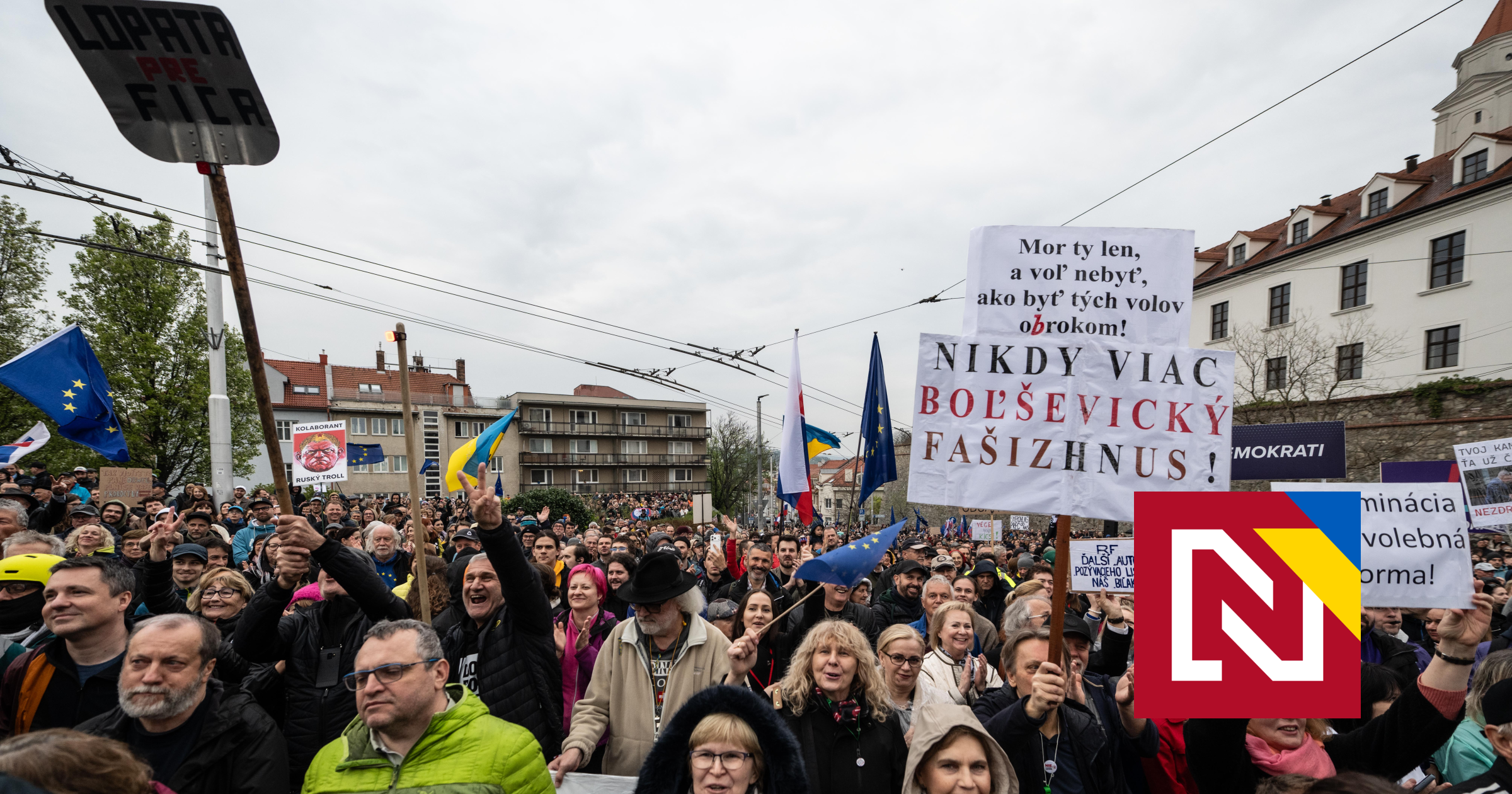
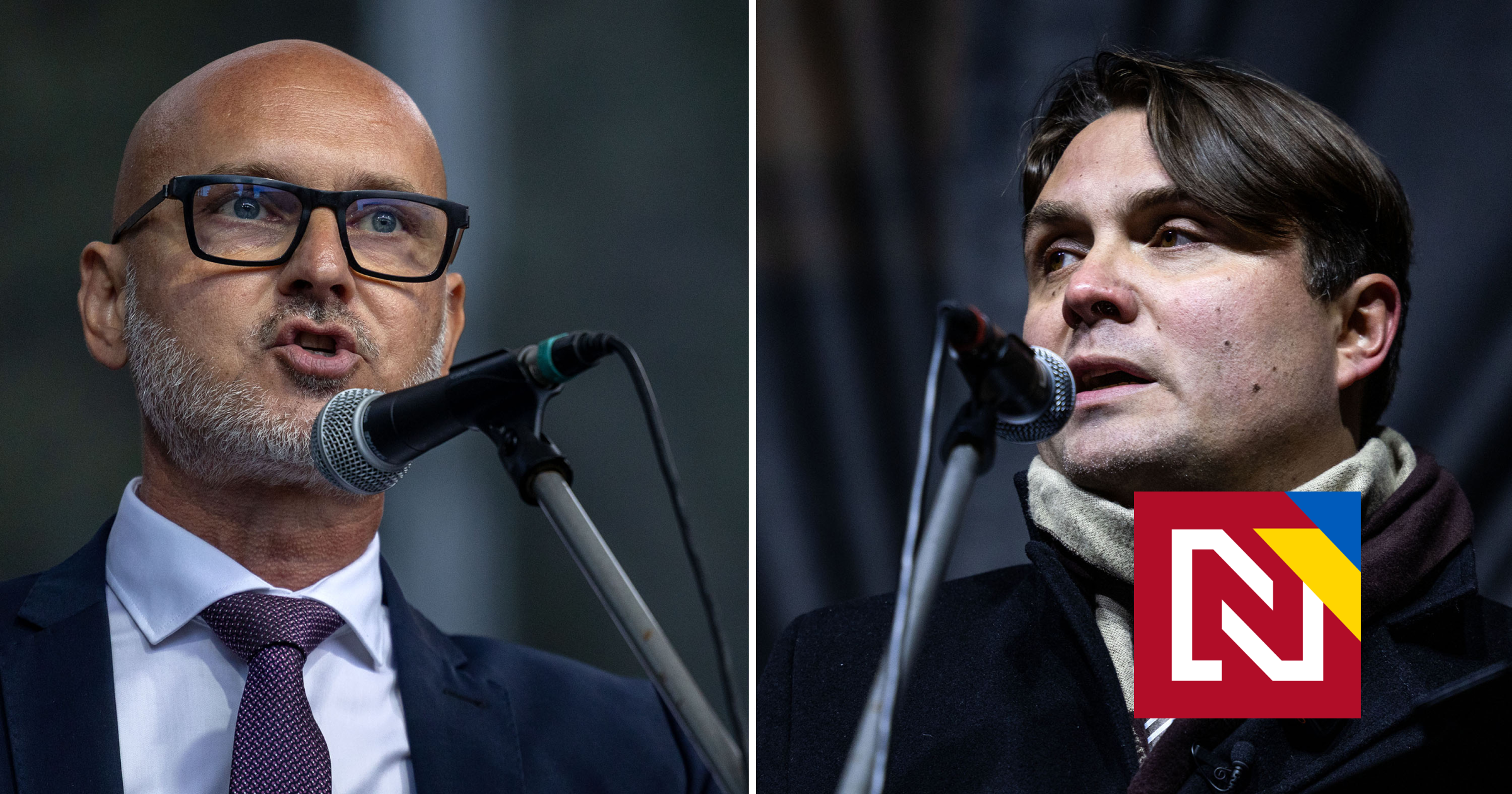
Progressive Slovakia leader Michal Šimečka addressed a protest in Bratislava titled "They Won't Take Our Elections," where he positioned his party as a unifying force for opposition groups seeking to replace the current government. Šimečka outlined a strategy for opposition parties to coordinate their efforts to defeat the ruling coalition in the next parliamentary elections. The protest appears to be part of broader opposition efforts to mobilize against the current government, with Progressive Slovakia, a liberal opposition party, positioning itself as a central organizing force for anti-government political movements.

|
Domestic Politics

Thousands Protest Outside Slovak Parliament Against Elimination of Postal Voting from Abroad

Approximately 2,000 people gathered outside Slovakia's National Council building on Tuesday evening to protest the government's plan to eliminate postal voting for citizens living abroad. The demonstration was organized by opposition parties Progressive Slovakia (PS), Freedom and Solidarity (SaS), Christian Democratic Movement (KDH), and Democrats, taking place while coalition lawmakers were voting inside parliament. Protesters chanted "Enough of Fico!" loud enough for the ruling coalition members to hear during their session. The protest targeted a proposal by the current government, led by Prime Minister Robert Fico's Smer-SD party, to end the postal voting system that allows Slovak citizens residing overseas to participate in elections by mail. This system has been used by hundreds of thousands of Slovak expatriates to vote in parliamentary and presidential elections. The opposition parties emphasized the need for unity against what they see as an attempt to restrict voting rights. Postal voting from abroad has been a contentious political issue in Slovakia, with the ruling coalition arguing for stricter voting procedures while opposition parties and diaspora communities defend the system as essential for maintaining democratic participation of citizens living overseas.

|
Domestic Politics

Slovak Judicial Council approves recommendations on cooperating witness law reform

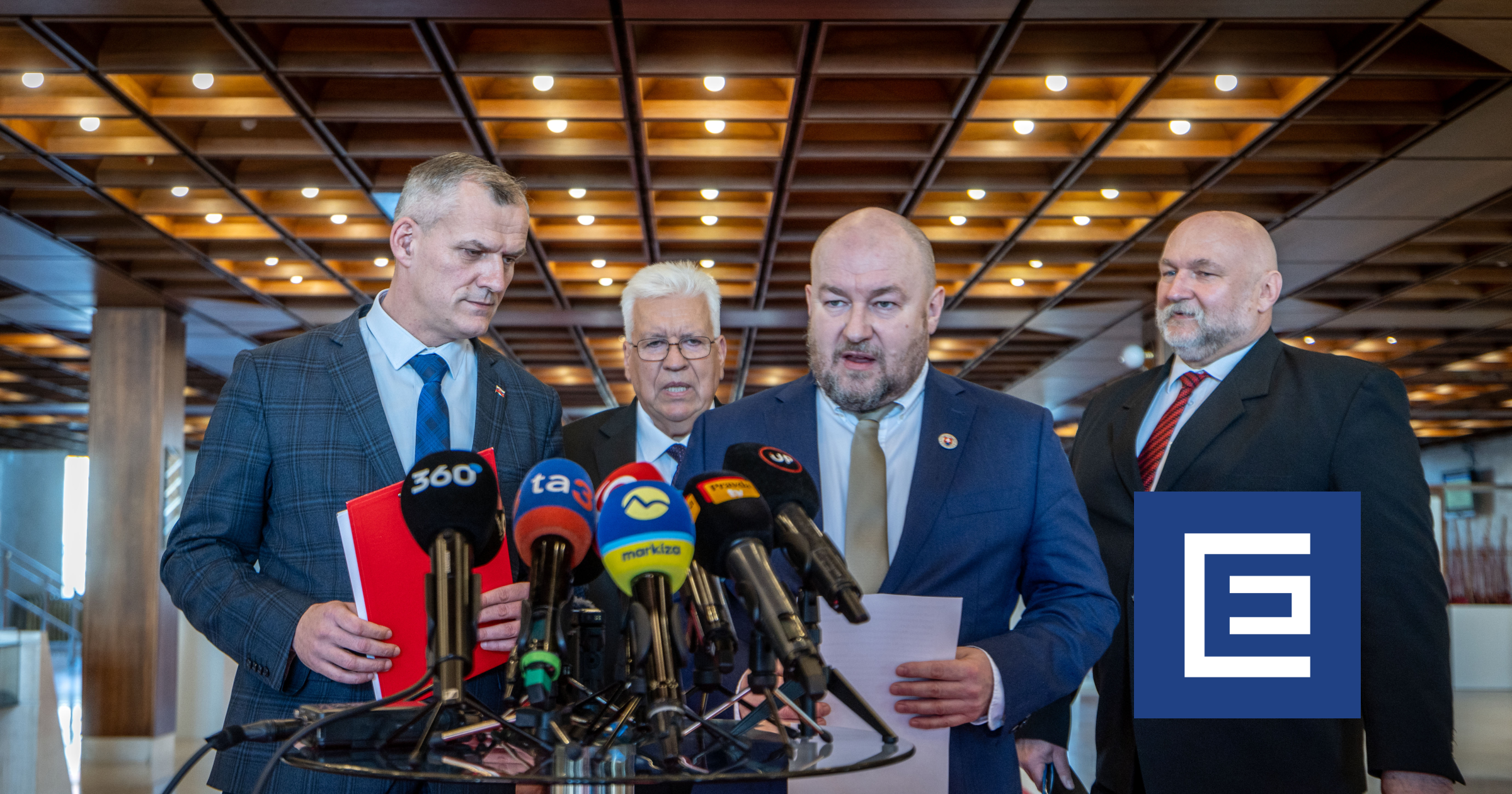
Slovakia's Judicial Council approved recommendations on Tuesday for reforming the country's cooperating witness law, commonly known as the "repentant" or "kajúcnik" system. The council's proposals require that testimony from cooperating witnesses must always be supported by additional objective evidence. The Judicial Council, which oversees the administration of courts and judicial independence, has mandated that Justice Minister Viliam Karas present these recommendations to the Ministry of Justice. The cooperating witness institute allows suspects to receive reduced sentences or immunity in exchange for testimony against accomplices, but critics have raised concerns about the reliability of such testimony without corroborating evidence.

|
Domestic Politics

Judicial Council Criticizes Justice Minister's Proposal on Collaborator Pardons

The Judicial Council of Slovakia has joined criticism of Justice Minister Viliam Susko's controversial proposal regarding pardons for communist-era collaborators, finding significant flaws in nearly all sections of the draft legislation. The criticism adds to opposition that emerged last week from Prosecutor General Maroš Žilinka, who also raised objections to the proposal. The draft legislation appears to concern potential pardons or legal relief for individuals who collaborated with the communist regime's security apparatus before 1989, though the specific details of the proposal remain unclear from the available information.

|
Domestic Politics

SaS Opposes Progressive Slovakia's Plan to Cooperate with Hungarian Politicians

The liberal Freedom and Solidarity party (SaS) has criticized Progressive Slovakia's (PS) proposal to build political ties with Hungarian opposition figures. The disagreement highlights tensions within Slovakia's opposition bloc over how to approach regional political cooperation. SaS, a liberal party that sits in opposition alongside PS, appears concerned that such cooperation could complicate their political positioning. Progressive Slovakia, also an opposition liberal party, has been exploring partnerships with Hungarian opposition politicians as part of broader efforts to coordinate anti-government activities across Central Europe.

|
Domestic Politics

Parliament Rejects Opposition Proposals for Additional State Spending Cuts

Slovakia's National Council, the country's parliament, rejected multiple resolutions proposed by the Christian Democratic Movement (KDH) calling for further reductions in state expenditures. The opposition party submitted the proposals as part of their criticism of the government's current fiscal consolidation package, which they consider insufficient to address the country's budgetary challenges. KDH, a center-right opposition party, has been pushing for more aggressive spending cuts as Slovakia grapples with public finance pressures. The ruling coalition's rejection of these measures highlights the ongoing political divide over how to balance the state budget and reduce fiscal deficits.

|
Domestic Politics

Company linked to Fico's Croatian villa loses pension in auction

A company previously connected to Prime Minister Robert Fico's controversial villa in Croatia has lost a pension building in the Donovaly ski resort to foreclosure. The unfinished property is being sold at auction for half a million euros. The development adds to ongoing scrutiny of business interests linked to Fico, who leads Slovakia's ruling Smer-SD party, particularly regarding property dealings that have drawn public attention in the past.

|
Domestic Politics

Slovak Parliament Advances Bill to Increase Fines for Minor Offenses and Introduce Community Service

Slovakia's National Council advanced legislation on Tuesday that would significantly increase financial penalties for minor crimes and misdemeanors after years without changes. The bill, which moved to second reading, introduces an entirely new form of punishment in the form of minor community service work. The proposed changes represent Parliament's effort to strengthen measures against petty crime and administrative violations. The National Council, Slovakia's parliament, will continue deliberating the legislation as it moves through the legislative process.

|
Domestic Politics

Slovak Parliament Rejects Opposition Healthcare Proposals and Treason Penalty Changes

Slovakia's National Council rejected a series of legislative proposals from the opposition Freedom and Solidarity (SaS) party on Tuesday, including measures related to healthcare and changes to penalties for treason. The ruling coalition also blocked opposition attempts to force a confidence vote in the government that would have stemmed from the constitutional law on fiscal responsibility. Parliament additionally rejected resolutions related to the debt brake mechanism. SaS is a liberal opposition party that has been critical of the current government's policies. The votes demonstrate the ruling coalition's ability to maintain control over parliamentary proceedings despite opposition pressure for accountability measures.

|
Domestic Politics

Police Academy Admission Changes Spark Debate Over Lowered Standards

Slovakia's Interior Ministry has implemented changes to police academy admission criteria that have generated controversy over concerns the new standards are too lenient. Critics argue that when admission requirements allow almost anyone to qualify, it undermines respect for the police force and potentially affects the quality of future officers. The Interior Ministry, which oversees police recruitment and training, defended the modifications by stating they reflect current realities in law enforcement recruitment. The debate highlights ongoing challenges in maintaining professional standards while ensuring adequate staffing levels for Slovakia's police force.

|
Domestic Politics

Police Recruitment Standards Spark Controversy as Ministry Defends Changes

Slovakia's Interior Ministry has defended changes to police recruitment criteria amid criticism that lowered standards are undermining respect for law enforcement. Critics argue that when admission requirements allow almost anyone to qualify for the police force, it diminishes the institution's credibility and professional standing. The ministry countered that the adjustments reflect current realities in recruitment and staffing needs. The debate highlights ongoing challenges in maintaining police force standards while addressing personnel shortages that have affected law enforcement agencies across Slovakia.

|
Domestic Politics

Slovak Parliament Advances Government Traffic Law Amendment to Second Reading

The National Council, Slovakia's parliament, has moved a government-proposed amendment to the road traffic law to its second reading stage. The proposed legislation would introduce several changes to transportation regulations in the country. The amendment is part of the standard legislative process, where bills must pass through multiple readings before final approval and implementation.

|
Domestic Politics

Slovak MPs Block Environment Minister's Bid for Greater Control Over Environmental Fund

Parliament is witnessing an escalating dispute between Environment Minister Tomáš Taraba and MPs from Rudolf Huliak's group over proposed changes to the environmental fund. Taraba is seeking greater power over the fund's hundreds of millions in finances, but both opposition and coalition lawmakers are working to block his initiative. The conflict highlights growing tensions within Slovakia's ruling coalition, as MPs aligned with Huliak, who leads a faction that broke away from the Slovak National Party but continues to support the government, are opposing their own coalition minister's proposal. The environmental fund manages significant EU and state resources for environmental projects and climate initiatives across Slovakia.

|
Domestic Politics

Police Chief Reduces Fitness Requirements as Officers Report Decline in Physical Condition

Interior Minister Matúš Šutaj Eštok has lowered physical fitness requirements for Slovak police officers amid ongoing personnel shortages in the force. Police officers are reporting a decline in their physical condition as they are required to work extended shifts due to insufficient staffing levels. The reduced fitness standards appear aimed at making police positions more accessible to new recruits while accommodating current officers who struggle to maintain conditioning under demanding work schedules. Slovakia's police force has faced persistent recruitment challenges, leading to increased workloads for existing personnel.

|
Domestic Politics

Slovak Police Lower Physical Requirements Amid Recruitment Struggles

Slovakia's Interior Ministry has reduced physical fitness requirements for police recruits as the force struggles with staffing shortages. Interior Minister Matúš Šutaj Eštok implemented the changes to attract more candidates to the police force, which currently faces a significant personnel deficit. However, current police officers have expressed concerns that the lowered standards could lead to a decline in overall physical conditioning within the force. The move reflects the ongoing challenge of maintaining adequate police staffing levels, with existing officers being required to work additional shifts to cover shortfalls.

|
Domestic Politics

Slovak Police Investigate Alleged Illegal Financing of Pellegrini's Presidential Campaign

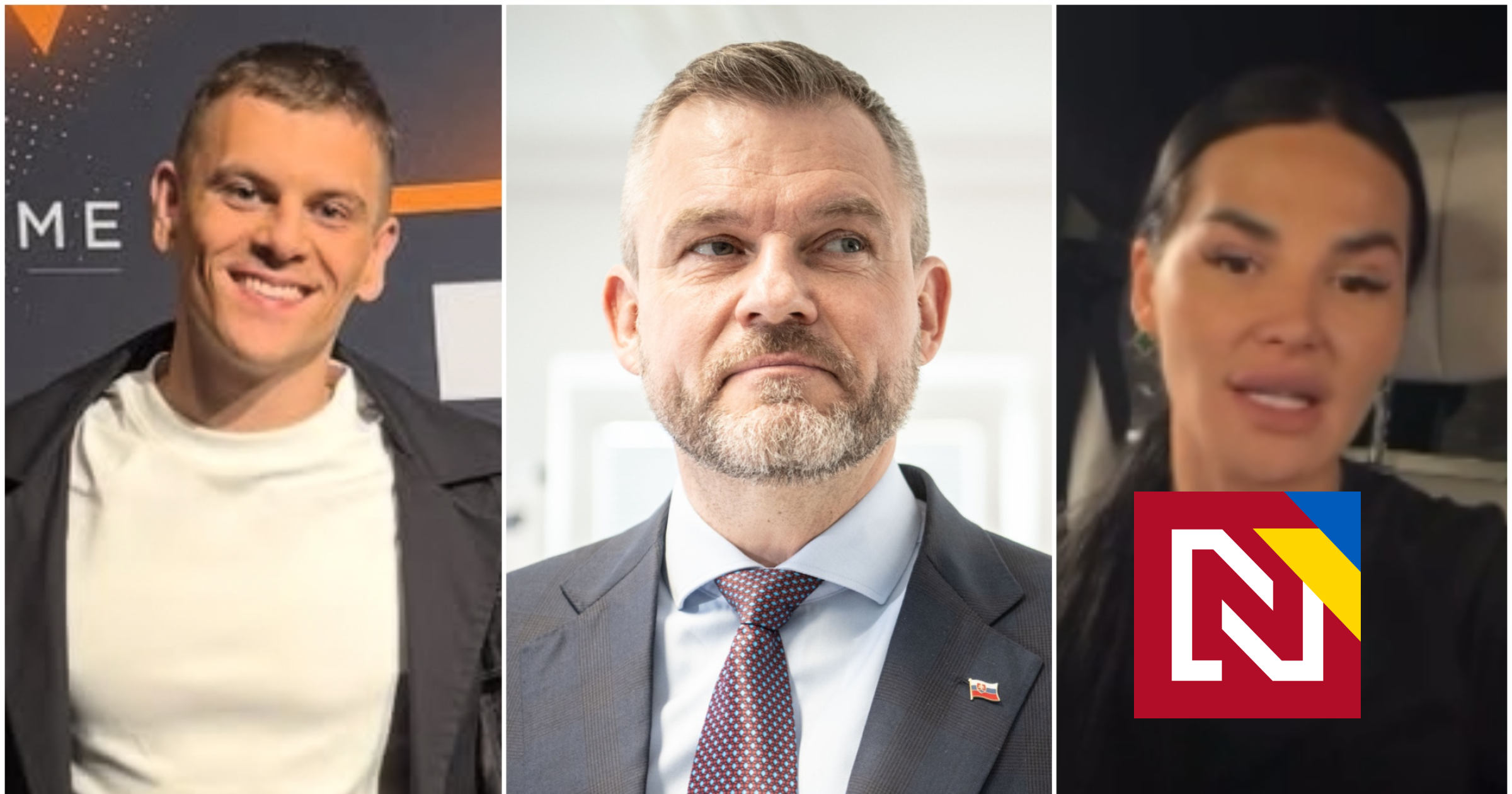
Slovakia's anti-corruption unit is investigating suspected illegal financing during Peter Pellegrini's presidential campaign. Parliamentary deputy Ján Jovinečko told police that Zuzana Plačková contacted him about Pellegrini and offered around 30,000 euros. Investigators have also summoned other lawmakers including Michal Bartek and Ján Ferenčák for questioning in the case. Pellegrini, who leads the centrist Hlas party and serves as parliamentary speaker, won Slovakia's presidential election in April 2024. The investigation into his campaign financing comes as Slovakia grapples with broader concerns about political corruption and the influence of money in elections. The anti-corruption unit specializes in investigating high-level corruption cases involving public officials and political figures.

|
Domestic Politics

Slovak Labor Ministry Rules May 8 Victory Day a Working Day Despite Holiday Pay

Slovakia's Labor Ministry has issued guidance stating that May 8, Victory in Europe Day, should be treated as a normal working day despite requiring holiday pay rates. Former Labor Minister and tax advisor Jozef Mihál criticized the ministry's guidance, saying it sided with employers over workers and that the decision surprised him. According to the ministry's directive, employers can require employees to work on May 8 in accordance with their employment contracts, though workers must receive holiday pay supplements. The ruling establishes a precedent as Slovakia has not previously dealt with working holidays of this nature.

|