Dávka - Your daily dose of Slovak news
Last refreshed: 01/07/2026 05:40 · 45 articles added
Stories are refreshed at 05:30, 10:30, 15:30, and 21:30 UTC.

Domestic Politics

View all2835 stories
Domestic Politics

Environment Minister Attacks Scientists as Slovakia Faces EU Recovery Fund Deadline

Slovakia's Environment Minister Tomáš Taraba has launched attacks on scientists from the Slovak Academy of Sciences amid growing pressure to complete zoning plans for four national parks. The government is running out of time to approve these zonations, which are required as part of Slovakia's application for the eighth payment from the EU's Recovery and Resilience Plan worth 735 million euros. The zoning plans remain incomplete despite the government's original promise to finish them by the end of March. Taraba, nominated by the Slovak National Party (SNS), a junior partner in the ruling coalition, has targeted the academy's scientists in connection with the controversial zoning requirements. The European Commission has called on Slovakia to follow the scientists' recommendations as the country faces potential delays in accessing crucial EU recovery funds.

|
Domestic Politics

Corruption Case Involving Eastern Slovakia Courts Enters Closing Arguments

A corruption case involving courts in eastern Slovakia has reached the closing arguments phase at the Specialized Criminal Court. The court is handling the case for the second time, indicating the proceedings have been subject to previous legal challenges or appeals. The Specialized Criminal Court, which handles major corruption and organized crime cases in Slovakia, is now moving toward concluding this judicial corruption investigation that has affected the eastern region of the country.

|
Domestic Politics

Slovak Parliament Debates Extension of Electoral Terms and Changes to Foreigner Residence Rules

Slovak lawmakers are discussing proposed amendments to immigration law that would create a new type of transitional residence permit for foreigners whose temporary asylum status has expired. The legislation would also modify conditions for foreign entrepreneurs seeking to establish businesses in Slovakia. The National Council, Slovakia's parliament, is simultaneously considering changes to electoral terms, though specific details of these proposed extensions were not disclosed. The immigration amendments represent part of ongoing efforts to streamline Slovakia's residence permit system and address the status of asylum seekers whose temporary protection is ending.

|
Domestic Politics

Slovak President Calls Referendum for July 4, Excludes Early Elections Question

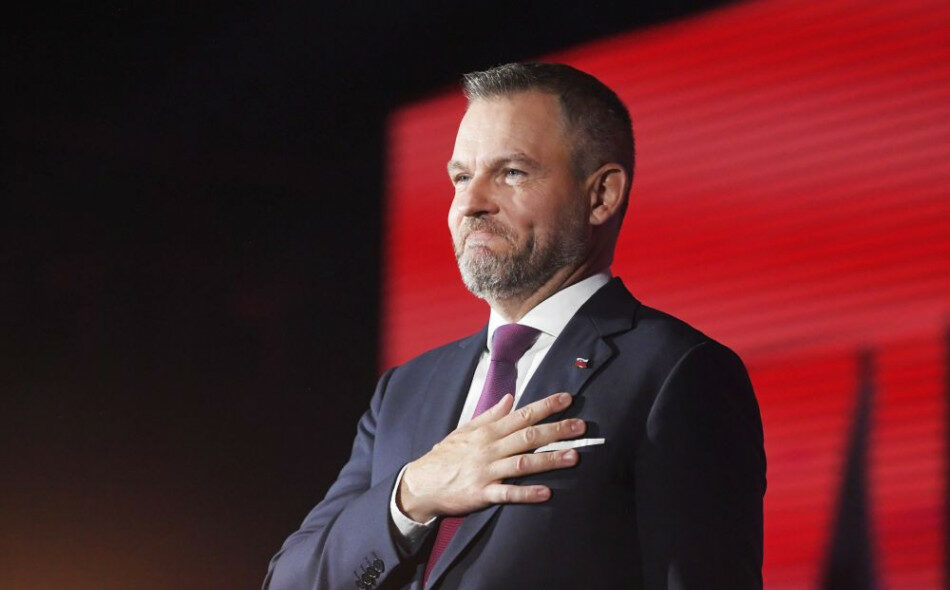
Slovak President Peter Pellegrini announced he will call a referendum for July 4, initiated by the opposition Democrats party. The referendum will include only two of the three originally proposed questions, as the president rejected the question about shortening parliament's electoral term for being unconstitutional. The Democrats is a liberal opposition party that has been pushing for the referendum as a way to challenge the current government. Under Slovakia's constitutional system, the president has the authority to review referendum questions for constitutional compliance before officially calling the vote. The exclusion of the early elections question significantly reduces the political impact of the referendum, as it was likely the most contentious and politically significant of the proposed questions.

|
Domestic Politics

Legal confusion over May 8th status leaves Slovak employers and workers uncertain about pay and leave

A change in Slovakia's public holidays law has created unexpected chaos in employment relations, leaving both employers and employees uncertain about their rights and obligations. While May 8th and September 15th will no longer be official non-working days in 2026, their status in the Labor Code remains ambiguous. Employers and workers now face confusion over whether employees are entitled to 100 percent pay supplements for working on these dates, or whether companies can mandate vacation time or paid leave instead. The legal uncertainty has created practical difficulties for businesses trying to plan work schedules and compensation policies.

|
Domestic Politics

Slovak Political Commentary Questions Constitutional Limits on Prime Ministerial Terms

A political commentary has raised questions about whether Slovakia should impose constitutional restrictions on who can serve as prime minister, specifically referencing current Prime Minister Robert Fico. The discussion centers on the continued electoral success of Smer-SD, Slovakia's ruling social-democratic party, and its relationship with Hungary's Fidesz party. The commentary suggests that as long as these parties continue winning elections and forming governments, figures like Fico and Hungarian Prime Minister Viktor Orbán will maintain significant influence over the selection of government leaders. This reflects broader debates about democratic governance and term limits in Central European politics, particularly given Fico's return to power for his fourth term as prime minister following Smer-SD's victory in the 2023 parliamentary elections.

|
Domestic Politics

Former Slovak State Health Insurance Chief Faces Trial in Million-Euro Massage Scandal

Slovak investigators have recommended criminal charges against the former head of the state health insurance company in a high-profile corruption case known as the "million-euro masseur" scandal. The case involves allegations of financial misconduct at the state health insurance fund, Slovakia's largest public health insurer that provides coverage for most citizens. The recommendation to prosecute marks a significant development in the ongoing investigation into corruption within Slovak healthcare institutions, as the case moves toward potential trial proceedings.

|
Domestic Politics

Coalition and Opposition Trade Blame Over Management of National Cultural Institutions

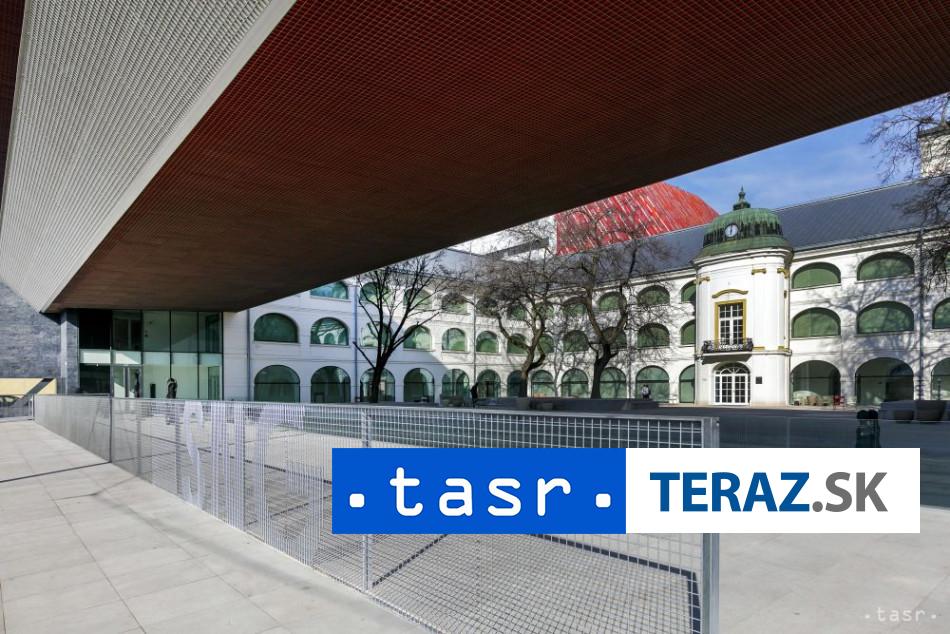
Slovakia's ruling coalition and opposition parties are exchanging accusations over the management of the Slovak National Gallery (SNG) and Slovak National Museum (SNM). Deputy committee chairwoman Jaurová stated that findings from the reviewed period indicate the current Culture Ministry leadership failed to establish systematic management processes for these key cultural institutions. The dispute reflects broader tensions over the governance of Slovakia's national cultural heritage institutions, which have faced ongoing management challenges and political scrutiny in recent years.

|
Domestic Politics

Slovakia's May 8 Holiday Creates Confusion and Potential Higher Costs for Government

Several Slovak government ministries remain uncertain about how to handle the newly established May 8 public holiday, with some agencies potentially facing higher costs if employees work on the holiday rather than taking the day off. The situation highlights implementation challenges with the government's recent decision to declare May 8 - marking the end of World War II in Europe - as a new national holiday. The confusion over holiday arrangements comes as the government simultaneously pursues fiscal consolidation measures aimed at reducing public spending, creating a contradictory situation where the new holiday policy may actually increase state expenditures rather than achieve savings.

|
Domestic Politics

Culture Ministry Leadership Failed to Establish Systematic Management Process, Says Jaurová

A dispute has emerged within Slovakia's Ministry of Culture over management practices, with critic Jaurová asserting that the ministry's leadership has failed to establish proper systematic management processes. The current leadership, represented by Machala, has rejected responsibility for the alleged shortcomings. The Ministry of Culture, which oversees Slovakia's cultural institutions, arts funding, and heritage preservation, has faced ongoing scrutiny over its operational effectiveness and decision-making procedures.

|
Domestic Politics

Slovak Official Admits to Illegal Construction on Foreign Property, Lawmaker Files Criminal Complaint

A Slovak official named Ferenčák has admitted to conducting construction work on property belonging to others, according to a criminal complaint filed by a parliamentarian with the prosecutor's office. The lawmaker alleges that Ferenčák abused his official position and was involved in a scheme where he signed construction documents authorizing his own projects. The case centers around construction activities related to a villa, where Ferenčák allegedly circumvented proper oversight by approving his own construction permits, raising serious questions about conflicts of interest and abuse of administrative authority in the Slovak construction approval process.

|
Domestic Politics

Mayor Admits Unauthorized Construction, Opposition Lawmaker Files Criminal Complaint

A Slovak mayor has admitted to carrying out construction work on property he did not own, according to an opposition lawmaker who has filed a criminal complaint alleging abuse of power. The case involves construction documents that the mayor allegedly signed for himself, raising questions about conflicts of interest and proper oversight of municipal building permits. The lawmaker's complaint to prosecutors suggests the mayor may have used his official position to circumvent normal construction approval processes, though specific details about the location and nature of the unauthorized building work have not been disclosed.

|
Domestic Politics

Government Office Intervenes in Journalist Protection Law, Lawyer Claims New Legislation Discriminates Against Citizens

Slovakia's Government Office has intervened in proposed legislation designed to protect journalists from harassment lawsuits, according to legal experts who claim the new law creates discriminatory protections. A lawyer argues that the legislation discriminates against ordinary citizens by providing special legal shields for journalists while leaving regular citizens vulnerable to similar harassment lawsuits from domestic politicians and corporations. The intervention by the Government Office, which serves as the administrative body supporting the prime minister and cabinet, has raised concerns about the scope and fairness of the proposed journalist protection measures. The law was intended to address the growing problem of strategic lawsuits against public participation (SLAPP suits) that are used to intimidate journalists and silence critical reporting, but critics now argue it creates an unequal legal framework that favors media professionals over other citizens who may face similar legal harassment.

|
Domestic Politics

Opposition Referendum to Oust Fico Government Will Not Proceed

A planned referendum aimed at removing Prime Minister Robert Fico's government will not take place, according to Slovak political commentators who argue this outcome is appropriate despite criticism of the current administration. The commentary suggests that while President Peter Pellegrini faces accusations of hypocrisy in the matter, governments should not be terminated through referendum processes. Separately, Interior Minister Matúš Šutaj Eštok is facing calls to honor previous commitments to resign from his position. The political tensions reflect ongoing disputes within Slovakia's governing coalition, led by Fico's Smer-SD party, which has faced sustained opposition criticism over various policy decisions and governance issues.

|
Domestic Politics

Czech Arms Dealer Strnad Eyes Slovakia's Top TV Station Markíza

Czech arms manufacturer Jaroslav Strnad is positioning to acquire Markíza, Slovakia's most-watched television station, in a move that could strengthen ties with the ruling Smer party. The television station generates over 20 million euros annually, making it an attractive business asset. However, the potential acquisition raises concerns about media consolidation and political influence, as Strnad became Slovakia's dominant defense contractor during previous Smer administrations. Smer-SD is Slovakia's ruling social-democratic party, currently led by Robert Fico who has served multiple terms as prime minister. The deal would represent a significant consolidation in Slovak media ownership, as the country faces ongoing debates about press independence and political influence over major news outlets.

|
Domestic Politics

Justice Ministry Prepares Changes to Debt Enforcement System, Calls for Greater Efficiency

Slovakia's Justice Ministry is preparing reforms to the country's debt enforcement system and is calling on bailiffs to improve their efficiency. The Slovak Chamber of Bailiffs emphasized that effective enforcement of legal rights requires maintaining a balance between the parties involved in enforcement proceedings. The ministry's initiative comes amid ongoing concerns about the effectiveness of Slovakia's debt collection mechanisms, which handle the enforcement of court judgments and other legal obligations through a network of private bailiffs who collect debts on behalf of creditors while protecting debtors' basic rights.

|
Domestic Politics

Slovak Culture Minister Defends Actions in Parliament Amid State Audit Criticism

Culture Minister Martina Šimkovičová appeared before Slovakia's parliament to defend her ministry's actions following criticism from the Supreme Audit Office (NKÚ). Lukáš Machala, state secretary at the ministry, responded to the audit criticism by stating the ministry was pleased with the results, claiming they revealed the "catastrophic state" of cultural organizations under the ministry's oversight. However, NKÚ representative Henrieta Crkoňová clarified that the audit was not conducted at the ministry's request but was initiated by the Supreme Audit Office itself. The parliamentary session comes amid ongoing scrutiny of the culture ministry's management of state cultural institutions.

|
Domestic Politics

Slovak Opposition Parties Clash Over Coalition Building After Hungarian Election Victory

Slovak opposition parties are feuding over potential alliance building following the victory of opposition candidate Péter Magyar's Tisza party in recent Hungarian elections. The success has sparked renewed discussions about uniting Slovakia's fragmented opposition, with Progressive Slovakia positioning itself as an "ark" for smaller threatened parties. However, the Slovakia Movement supports the concept in principle but refuses to participate directly, while criticizing other opposition parties. Grendel from the Nova party distanced himself from former Prime Minister Igor Matovič's approach, saying he has enough problems managing his own party and cannot be responsible for Matovič's actions. The tensions highlight the ongoing divisions within Slovakia's opposition despite calls for greater unity against the ruling coalition.

|
Domestic Politics

Slovakia's Opposition to Challenge President's Decision on Early Election Referendum at Constitutional Court

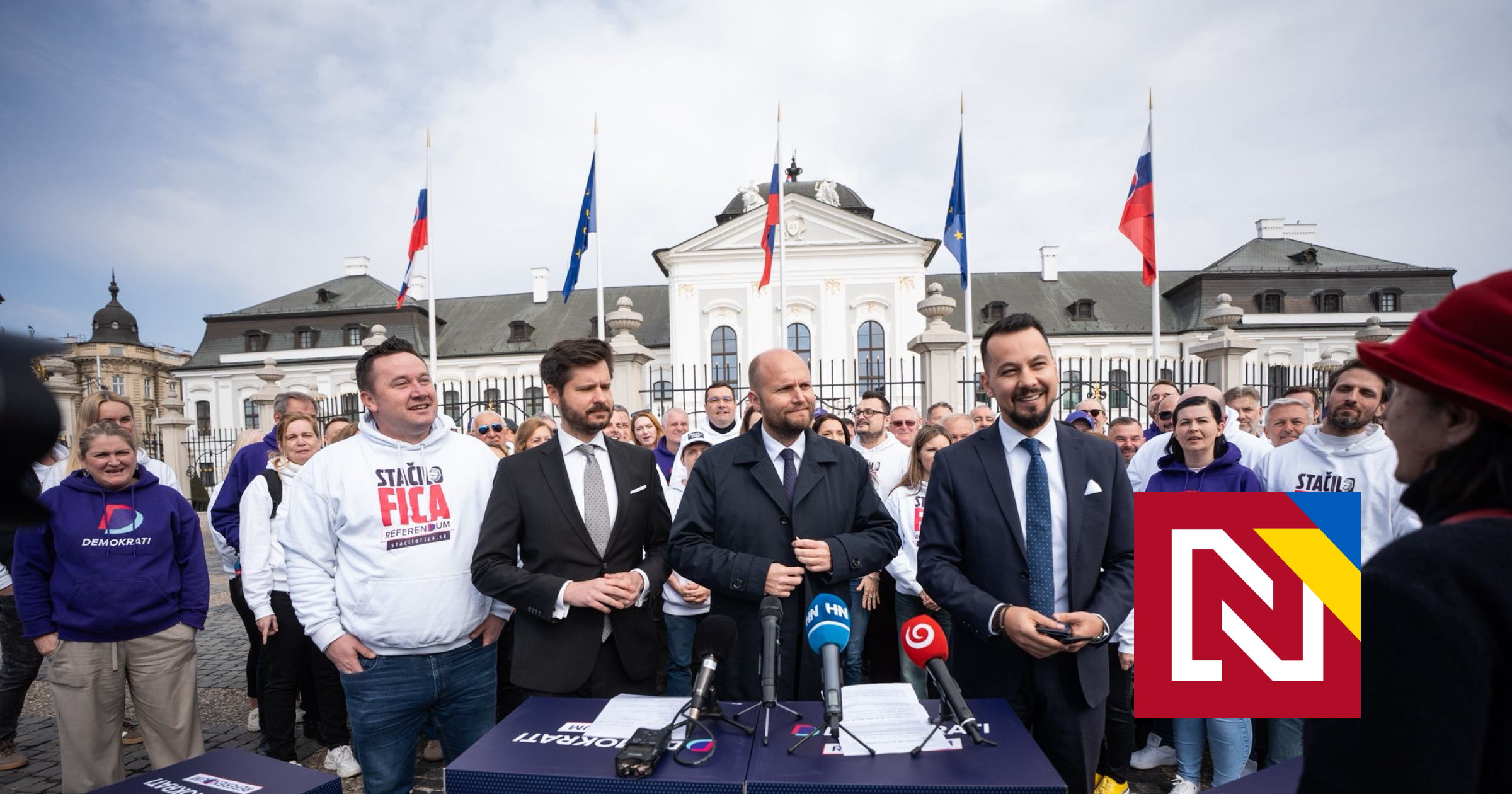
Slovakia's opposition Democrats party announced it will appeal to the Constitutional Court after President Peter Pellegrini rejected a referendum question about early elections. Pellegrini decided independently to exclude the question about shortening the current government's term from an upcoming July 4 referendum, which will now proceed with only two other questions. According to Democrats leader Ivan Naď, different legal opinions exist regarding the constitutionality of the referendum question about shortening the electoral period, and Pellegrini effectively blocked the referendum by his decision. The dispute centers on whether Slovak voters should be allowed to decide on calling early elections to end the current government led by Robert Fico's Smer-SD party. The Democrats, part of Slovakia's opposition, had sought to include this question alongside other referendum issues. President Pellegrini, who has the constitutional authority to approve referendum questions, chose not to consult the Constitutional Court before making his decision to reject the early election question. The controversy highlights tensions between Slovakia's opposition parties and the ruling coalition government. The Constitutional Court will now need to determine whether Pellegrini's decision was legally sound and whether the referendum question about early elections should have been permitted. The outcome could affect the opposition's ability to challenge the current government through direct democracy mechanisms.

Domestic Politics

Transport and Interior Ministers Discuss Security and Truck Transit Restrictions

Transport Minister Jozef Ráž and Interior Minister Matúš Šutaj Eštok held discussions covering security issues and potential restrictions on truck transit through Slovakia. The talks also addressed the temporary removal of vehicles from official registries, with the Transport Ministry having developed a manual outlining procedures for this process. The meeting reflects ongoing coordination between the two ministries on transportation and security matters affecting Slovakia's road network.

|