Dávka - Your daily dose of Slovak news
Last refreshed: 01/07/2026 05:40 · 45 articles added
Stories are refreshed at 05:30, 10:30, 15:30, and 21:30 UTC.

Domestic Politics

View all2835 stories
Domestic Politics

Slovak President Hosts Lavish White Tie Banquet, Surpassing Protocol for Royal Visits

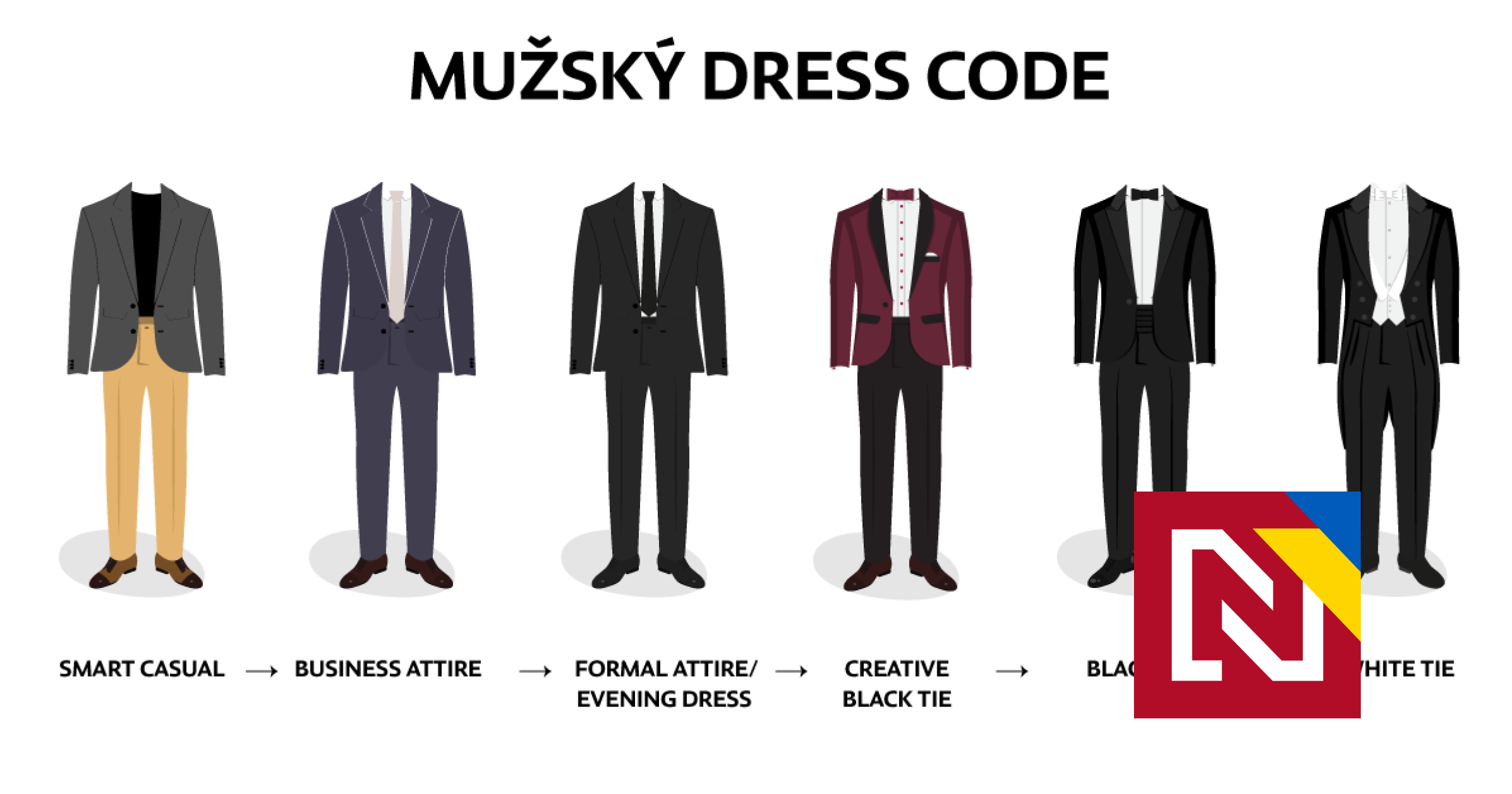
Slovak President Peter Pellegrini hosted an elaborate white tie banquet, donning formal tailcoat, white bow tie, and decorations from the Order of Malta Knights. The formal reception featured the highest level of state protocol typically reserved for the most significant state visits. Experts noted that even Queen Elizabeth II during her 2008 visit hosted by then-President Ivan Gašparovič, and Dutch King Willem-Alexander during his March 2023 visit did not receive this level of ceremonial treatment. The lavish display has drawn attention for its unprecedented formality in recent Slovak diplomatic history.

|
Domestic Politics

Presidential Palace in Bratislava Undergoes Major Security Upgrade

The Grassalkovich Palace in Bratislava, which serves as the official residence of Slovakia's president, is undergoing a major modernization of its security systems. The upgrade represents the first significant security investment at the palace since its reconstruction as the presidential residence was completed between 1994 and 1996. The 18th-century baroque palace has served as the seat of Slovakia's presidency since the country's independence in 1993, housing the offices and ceremonial spaces used by the head of state for official functions and meetings with foreign dignitaries.

|
Domestic Politics

General Prosecutor's Office and Interior Ministry Drop Case Against Pro-Russian Motorcycle Group's Intelligence Activities

Slovakia's General Prosecutor's Office and Interior Ministry have dismissed a case involving alleged intelligence activities conducted by a pro-Russian motorcycle group. The decision comes as Slovak law restricts intelligence operations exclusively to state agencies. The case had raised concerns about unauthorized intelligence gathering by civilian organizations with apparent pro-Russian sympathies, though the specific details of the alleged activities and the motorcycle group's identity were not disclosed. Under Slovak legislation, only official state institutions are legally permitted to conduct intelligence operations, making any such activities by private groups or organizations illegal.

|
Domestic Politics

Slovak Ruling Coalition Loses Support as Smer Falls and Voice Party Nears Electoral Threshold

Slovakia's ruling coalition is losing public support according to a new IPSOS poll, with Prime Minister Robert Fico's Smer-SD party declining while its coalition partner Voice (Hlas) is approaching the minimum threshold needed to enter parliament. The poll results come amid ongoing discussions about raising the electoral threshold from the current five percent to seven percent, a proposal that would potentially leave Voice outside parliament if implemented. Smer-SD, the dominant social-democratic party that leads Slovakia's government, has seen its popularity drop while Voice, the centrist party led by former Smer member Peter Pellegrini, risks falling below the electoral viability line. The polling data suggests potential instability for the current government coalition, which took power following elections in 2023.

|
Domestic Politics

Slovak Commentary Questions Value of High-Level Political Position

A Slovak political commentary has raised questions about the practical value of a high-level government position for ordinary citizens. The commentary, titled "About an Empty Suit," repeatedly asks how the existence of this particular function helps regular Slovaks in their daily lives. The piece appears to be part of ongoing public discourse about the effectiveness and relevance of certain political roles within Slovakia's government structure.

|
Domestic Politics

Hlas Party Falls Below 7% in Latest Poll as Opposition Gains Ground

The ruling Hlas party, led by Prime Minister Robert Fico's coalition partner Peter Pellegrini, has dropped below seven percent in the latest Ipsos poll, marking a significant decline for one of Slovakia's governing parties. The survey shows that eight parties would currently secure seats in the National Council, Slovakia's parliament, if elections were held today. Most opposition parties experienced growth in voter support, with the exception of Progressive Slovakia (PS), which saw its numbers decline. The strongest parties in the ruling coalition also lost support according to the polling data. The results suggest shifting political dynamics in Slovakia, where the current government coalition includes Smer-SD, Hlas, and the Slovak National Party, while the opposition is led by parties such as Progressive Slovakia and Freedom and Solidarity.

|
Domestic Politics

Opposition Party Calls for Highway Project to Be Declared Strategic Investment

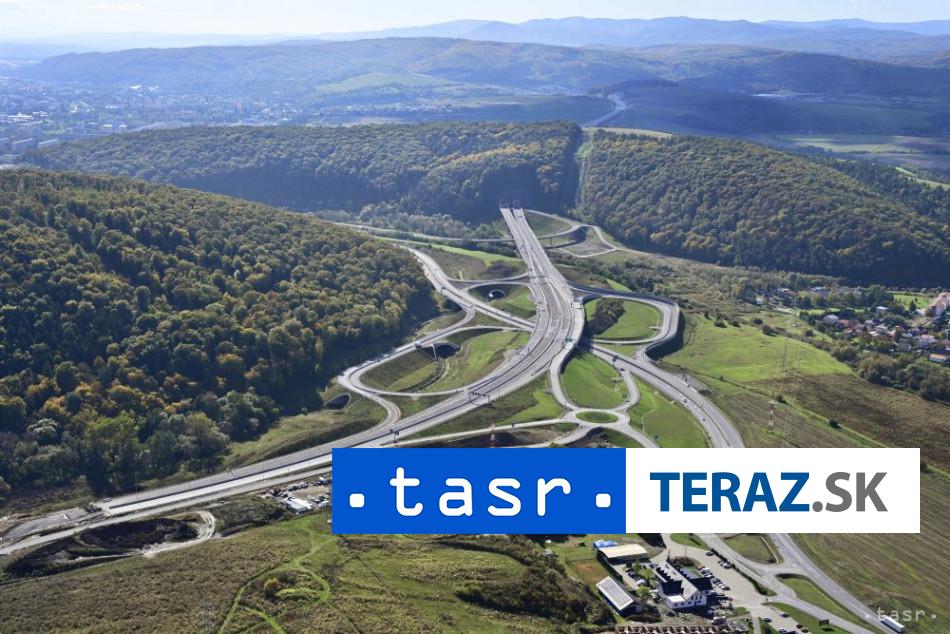
Progressive Slovakia, an opposition liberal party, has called on Transport Minister Jozef Ráž to declare the R4 highway project a strategic investment. Party representative Luščíková argued that the Via Carpatia project could transform the entire Prešov region and eastern Slovakia. The call comes as debate continues over the nearly 2 billion euro Karpaty tunnel project, which state analysts have deemed unnecessary. The Via Carpatia is a planned north-south transportation corridor connecting the Baltic and Adriatic seas through Central and Eastern Europe, with sections running through Slovakia.

|
Domestic Politics

Slovakia's Donovaly and Báč Fraud Trial Continues in June as Key Defendant Waives Defense Rights

A major fraud trial involving luxury resorts in Donovaly and Báč will resume in June after defendant Jana Šlachtová waived her right to legal defense. Only defendant Peter Pecha attended the recent court hearing, where he rejected the charges against him. The case also involves Marian Kočner, a controversial businessman connected to multiple high-profile criminal cases in Slovakia, whose defense team has dismissed the prosecution's case as confused and incoherent. The trial centers on alleged fraudulent activities related to the development and operation of these tourist destinations. Kočner, who was not present at the hearing, has also pleaded not guilty to the charges.

|
Domestic Politics

Deputy Speaker Says Cadastral Law Failure Not Coalition Crisis Despite Regret

Deputy Speaker Tibor Takáč expressed disappointment over the failure of a cadastral law to pass parliament but denied the setback represents a coalition crisis. Takáč, addressing the failed legislation that would have reformed Slovakia's land registry system, said he expects the situation to be clarified soon. The law's failure highlights ongoing challenges within Slovakia's ruling coalition, led by Robert Fico's Smer-SD party, though coalition leaders maintain the government remains stable despite occasional policy disagreements among the partner parties.

|
Domestic Politics

Supreme Court Warns Former Inmate Bombic About Potential Return to Prison

Slovakia's Supreme Court has issued a warning to a man identified as Bombic regarding potential criminal conduct that could lead to his return to prison. The individual had spent nearly a year in detention and was released just two weeks ago. The Supreme Court's intervention suggests ongoing legal scrutiny of Bombic's activities since his recent release from custody.

|
Domestic Politics

Slovakia Requires Birth Dates on Referendum Petitions Under New Law

Slovakia's president has approved amendments requiring citizens to include their birth dates when signing petitions for national referendums. The change aims to prevent potential abuse of the petition process by making it easier to verify the authenticity of signatures and prevent fraud. Under Slovakia's direct democracy system, citizens can initiate referendums on constitutional or legislative matters by collecting sufficient petition signatures, but concerns have emerged about possible manipulation of the petition process through duplicate or false signatures.

|
Domestic Politics

Opposition Progressive Slovakia Leads in Polls as Ruling Parties Hit New Lows

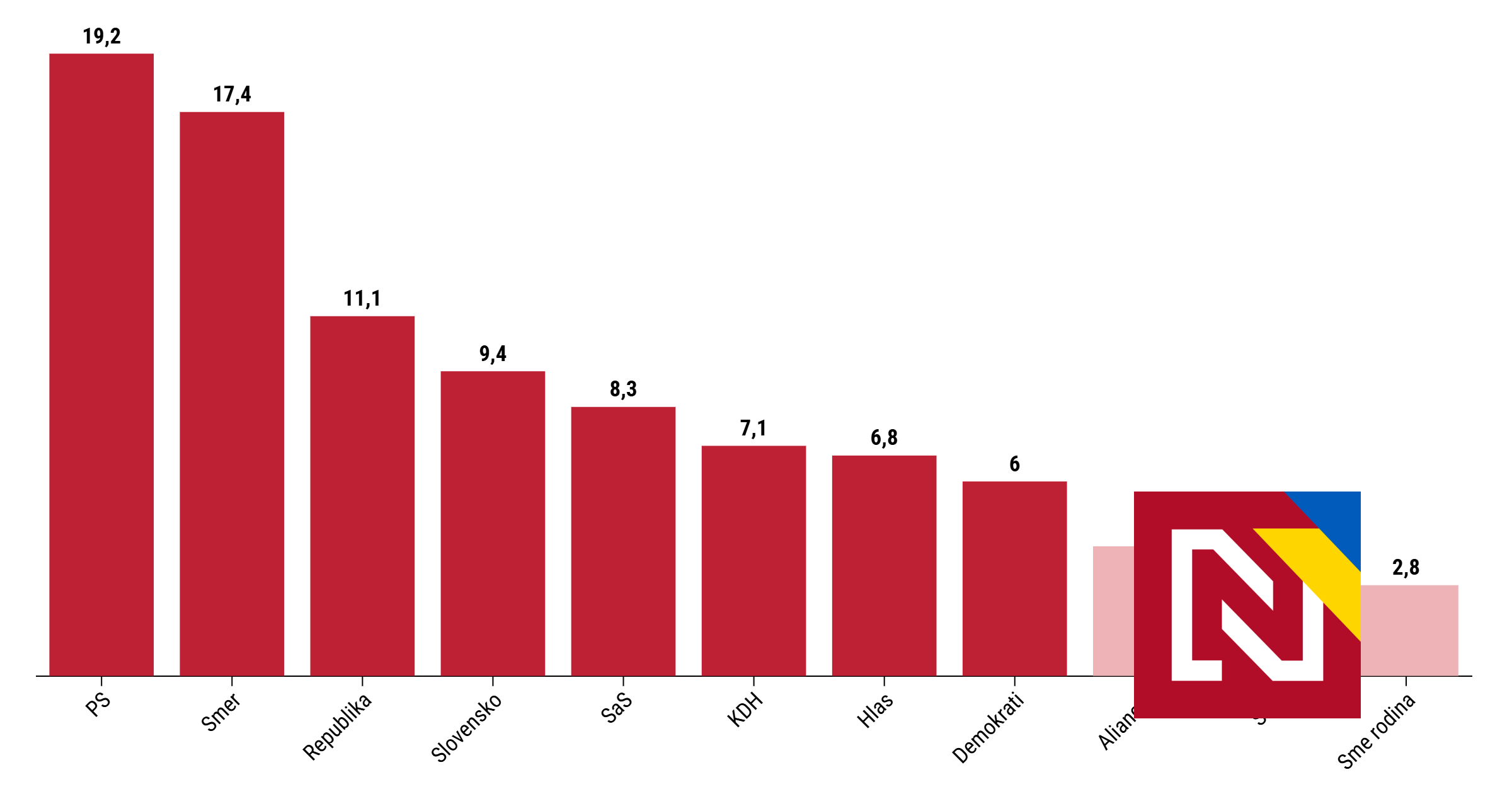
Progressive Slovakia would win a hypothetical April election with nearly 20 percent support, according to the latest Ipsos poll for Denník N. The ruling Smer-SD party would place second with approximately 17.4 percent, while its coalition partner Hlas has also dropped to new polling lows. The opposition Republika party would finish third with over 11 percent support, maintaining its stable position, followed by Igor Matovič's party. The poll results reflect growing challenges for Slovakia's ruling coalition government led by Smer-SD, the social-democratic party of Prime Minister Robert Fico. Progressive Slovakia, a liberal pro-European opposition party, has emerged as the strongest political force in the country according to the survey. Republika, a far-right nationalist party led by Milan Uhrík, continues to hold significant support as the third-largest political force. The declining support for both major coalition parties suggests potential instability for the current government, which came to power following elections in late 2023. The poll indicates a strengthening opposition bloc that could challenge the ruling coalition's parliamentary majority and policy agenda.

|
Domestic Politics

Migaľ Considers Running for Regional Governor, Citing Poor Candidate Pool

A political figure named Migaľ is considering running for regional governor (župan) in upcoming elections. The decision appears to be motivated by concerns over the current field of candidates, with voices suggesting that the available options are disappointing and that there is a need for someone to step forward and fight for the position. Migaľ has spoken publicly about the electoral situation, though specific details about his political background or the timeline for his decision were not provided.

|
Domestic Politics

Danko's MPs Block Government Proposal After Previously Calling Such Actions Sign of Crisis

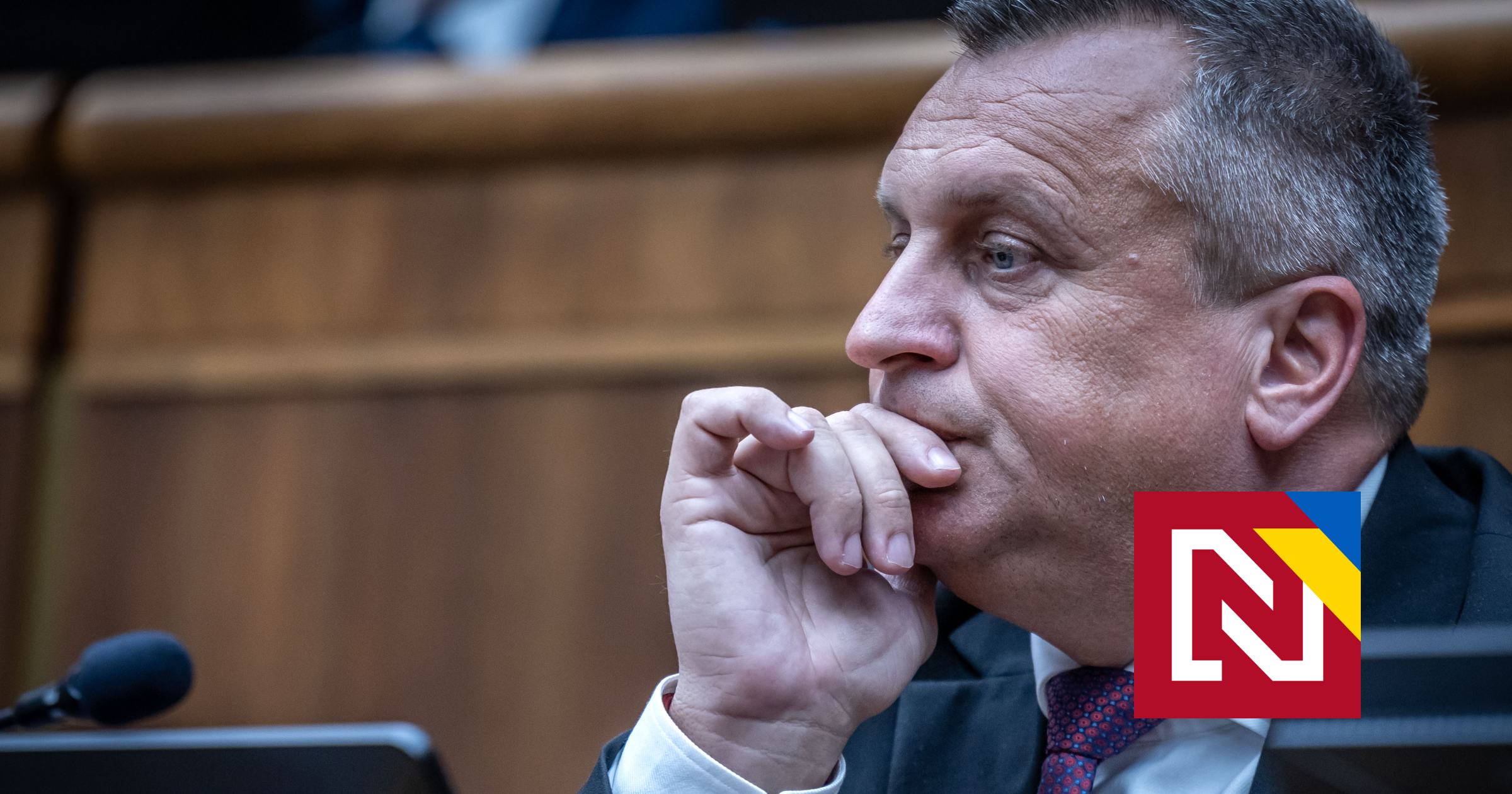
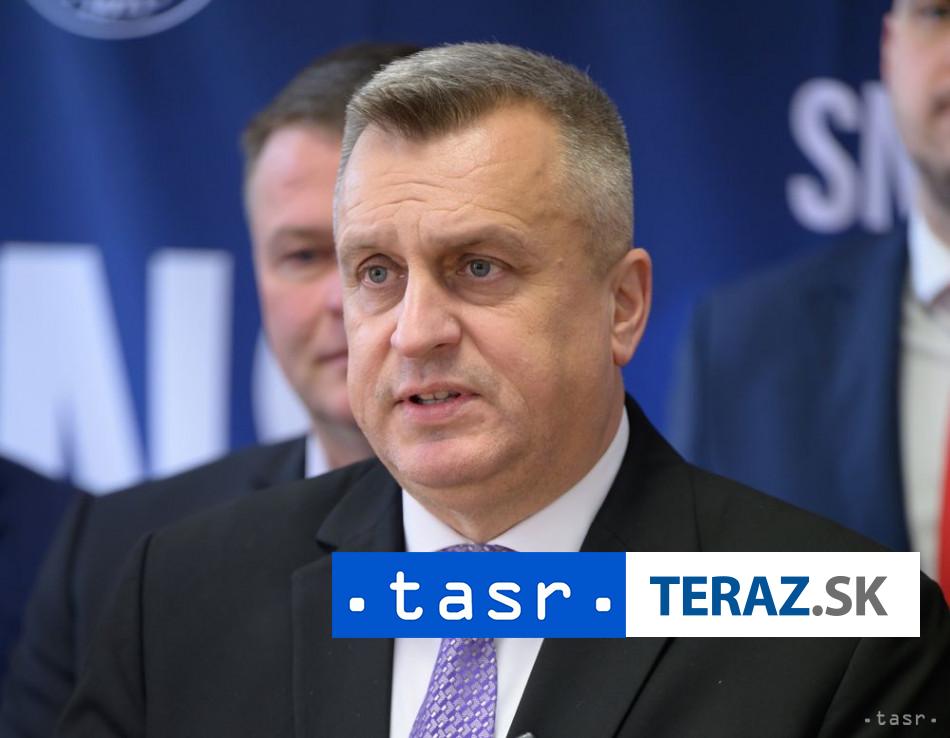
Members of parliament from Andrej Danko's Slovak National Party (SNS) voted against a government proposal, marking the first time the ruling coalition has failed to pass legislation in parliament. The development comes after Prime Minister Robert Fico of Smer-SD repeatedly pointed to unanimous passage of government bills as proof of coalition stability. In October 2024, when questioned about tensions within the coalition, Fico challenged journalists to name any government proposal that had failed in parliament, calling such unanimous support evidence that "there is not a single hint of any government crisis." The three-party ruling coalition, comprised of the social-democratic Smer-SD, the nationalist SNS, and the populist Hlas party, had maintained a perfect legislative record until this vote. Slovak political analysts have traditionally viewed parliamentary defeats for government proposals as indicators of coalition instability, making this development significant for assessing the health of Fico's administration.

|
Domestic Politics

Slovakia to Expand Priority Districts List and Increase Funding by 2.3 Million Euros

Slovakia will expand its list of priority districts and increase allocated funding by 2.3 million euros, Minister Migaľ announced. The minister made the announcement while distributing tablets to senior citizens in Giraltovce, a town in eastern Slovakia. The priority districts program appears to target regional development and support for disadvantaged areas, though specific details about which new districts will be added or how the additional funding will be used were not provided.

|
Domestic Politics

Slovak National Party Leader Criticizes Prime Minister Over Ukraine Loan Decision

Andrej Danko, leader of the Slovak National Party, expressed disappointment that Prime Minister Robert Fico did not block a loan to Ukraine. Danko, whose party is part of Slovakia's ruling coalition alongside Fico's Smer-SD, also addressed concerns about the Agricultural Paying Agency potentially losing its European Union accreditation. Opposition parties have warned that the agency faces this risk following a year-end audit by the European Commission, which could affect Slovakia's ability to distribute EU agricultural subsidies to farmers.

|
Domestic Politics

Convicted fraudster Štefan Agh returns to court over unpaid 5,000-euro fine

Štefan Agh appeared before the Specialized Criminal Court again to contest a 5,000-euro monetary penalty he was ordered to pay alongside his prison sentence. The businessman, who was sentenced to 13 years in prison in October 2021 for his role in a major financial fraud scheme, claims he cannot afford to pay the fine and is requesting its cancellation. The Specialized Criminal Court, which handles serious organized crime and corruption cases, had found Agh guilty of counterfeiting money and securities in connection with the so-called 'television promissory notes' case. This case involved fraudulent financial instruments that caused significant losses to investors. Agh's return to court highlights ongoing legal proceedings related to one of Slovakia's major financial fraud cases from recent years.

|
Domestic Politics

Agriculture Minister Says Audit Findings at Payment Agency Not Related to Corruption

Agriculture Minister Richard Takáč stated that findings from an audit at the Agricultural Payment Agency are not corruption-related. The minister declined to provide specific details about what the audit findings concerned. The Agricultural Payment Agency is responsible for distributing EU agricultural subsidies and state support to Slovak farmers, making it a key institution in the country's agricultural sector.

|
Domestic Politics

Slovak Parliament Advances Bill to Extend Electoral Terms for Parliament and Local Governments

The Slovak parliament has moved a government proposal to extend electoral terms for both the national parliament and local governments into second reading. The National Council, Slovakia's parliament, advanced the constitutional amendment that would affect the duration of electoral mandates at multiple levels of government. The proposal represents a significant change to Slovakia's electoral system, as it would alter the current terms of office for both national lawmakers and municipal representatives. Such constitutional changes require broad parliamentary support and typically generate substantial political debate, as they directly impact the frequency of elections and the accountability mechanisms between voters and their representatives.

|
Domestic Politics

Slovak Government Updates Compensation System for Railway Accident Victims

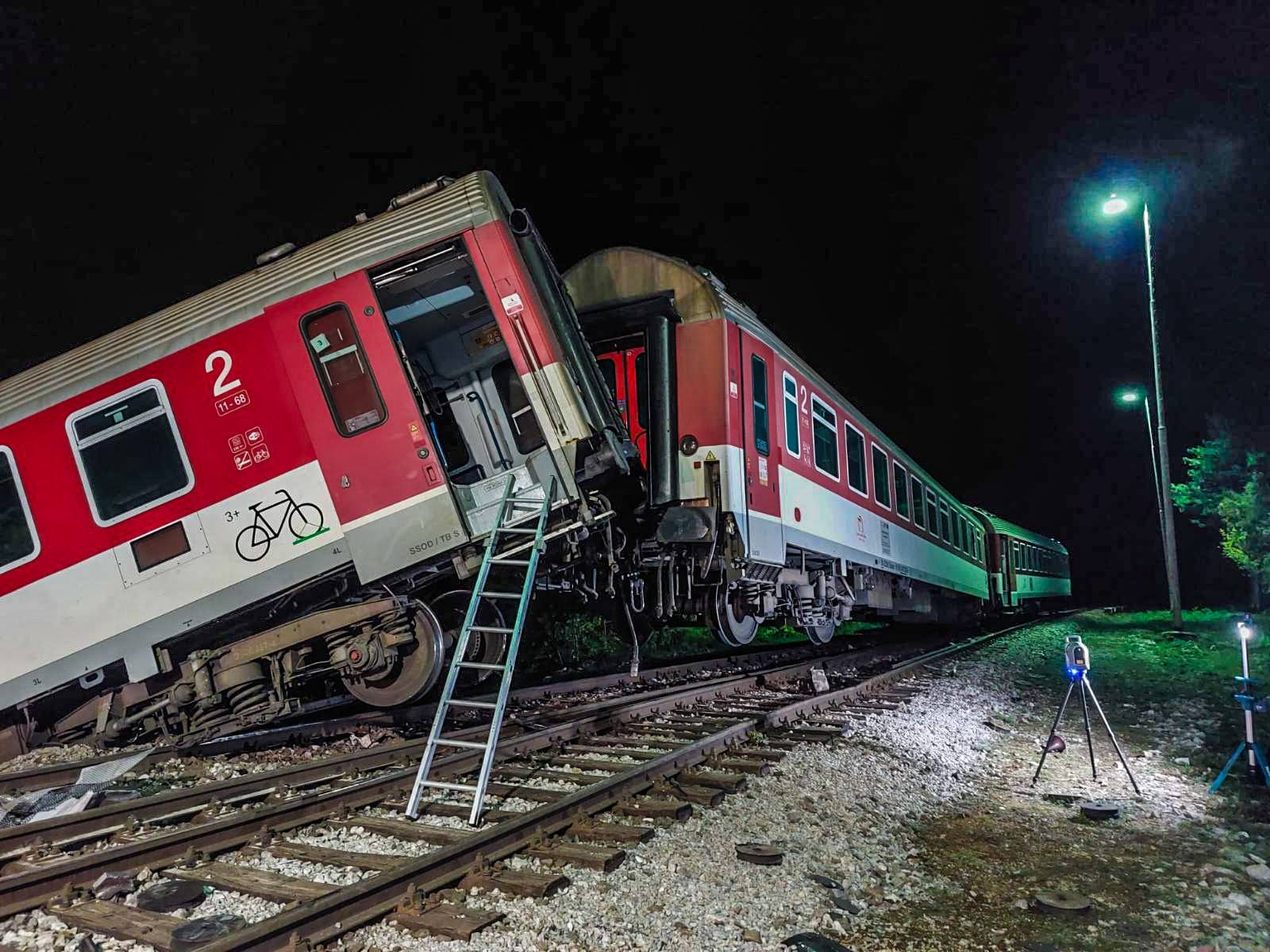
The Slovak government approved updates to the compensation system for passengers injured in last year's railway accidents at Jablonov nad Turňou and Pezinok. The changes focus on improving procedures for verifying medical documentation, while maintaining the existing financial compensation amounts. According to the transport minister, the Jablonov nad Turňou accident was caused by driver error, with the driver allegedly having YouTube running during the incident. The Jablonov nad Turňou crash occurred in eastern Slovakia near the Hungarian border, while the Pezinok accident happened near the capital Bratislava. Both incidents highlighted safety concerns within Slovakia's railway system and prompted government action to streamline support for victims.

|