Dávka - Your daily dose of Slovak news
Last refreshed: 30/06/2026 17:41 · 82 articles added
Stories are refreshed at 05:30, 10:30, 15:30, and 21:30 UTC.

Domestic Politics

View all2831 stories
Domestic Politics

Slovak Interior Minister Defends Brother-in-Law's Appointment as Justice Minister

Interior Minister Matúš Šutaj Eštok defended the appointment of his brother-in-law as Justice Minister, describing his qualifications as unquestionable. The appointment has drawn attention due to the family relationship between the two officials in Prime Minister Robert Fico's government. Šutaj Eštok leads the centrist Hlas party, which forms part of the ruling coalition alongside Fico's social-democratic Smer-SD party and the nationalist Slovak National Party.

|
Domestic Politics

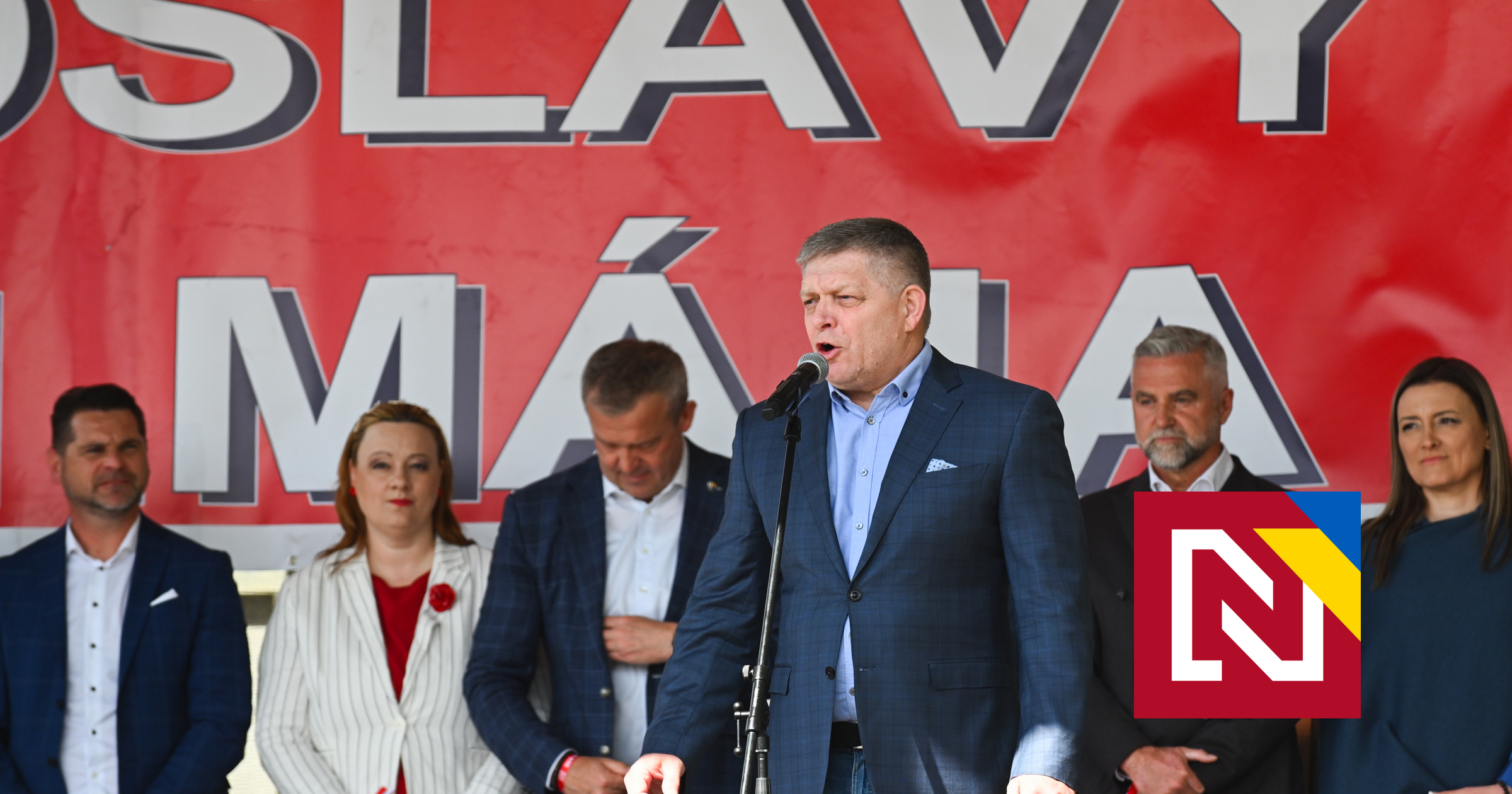
Fico Launches Campaign with Profanity-Laced Victory Promise at May Day Rally

Slovak Prime Minister Robert Fico delivered a profanity-laden speech at a May Day rally in Bánovce nad Bebravou, vowing his party would win upcoming elections "even if they were damned." The Smer-SD leader referenced his vulgar victory cry from October 1, 2023, when he celebrated his party's parliamentary election win by shouting "We won, this is how it's done, damn it!" from the party headquarters balcony before singing the national anthem with supporters. At Friday's rally on the town square, Fico returned to this triumphant rhetoric as his ruling social-democratic party marked International Workers' Day. The event was marked by emotional speeches and profanity as Fico positioned his party for future electoral contests, drawing on the momentum from Smer-SD's victory in the 2023 parliamentary elections that returned him to power as prime minister.

|
Domestic Politics

Slovak PM Fico Says Workers Deserve Basic Decency on May Day

Slovak Prime Minister Robert Fico marked May Day by emphasizing that working people deserve to be treated with basic decency. The leader connected the May 1st holiday with themes of peace as well as workers' rights. Fico, who heads the ruling social-democratic Smer-SD party, made the remarks as Slovakia joined other countries in observing International Workers' Day, a public holiday traditionally associated with labor movements and workers' solidarity.

|
Domestic Politics

Slovakia's PM Fico Proposes Constitutional Amendment to Set Retirement Age

Slovak Prime Minister Robert Fico announced plans to enshrine the retirement age in the country's constitution during a May Day speech. Fico, leader of the ruling social-democratic Smer party, made the proposal while celebrating Social Democracy Day in the town of Bánovce nad Bebravou. The move would represent a significant constitutional change affecting Slovakia's pension system, though Fico did not specify what retirement age would be written into the constitution. Constitutional amendments in Slovakia require a three-fifths majority in parliament, meaning Fico's coalition government would need opposition support to implement such a change.

|
Domestic Politics

Slovak Prime Minister Works Night Shift at Bakery for Labor Day

Slovak Prime Minister Robert Fico worked a night shift at a bakery in Bánovce nad Bebravou to mark Labor Day, joining employees in delivering baked goods across the Trenčín region. The leader of Smer-SD, Slovakia's ruling social-democratic party, familiarized himself with the bakery's operations during the overnight hours and discussed wage supplements with workers. The symbolic gesture highlighted labor issues on the traditional workers' holiday, as Fico directly participated in the production and distribution process alongside regular employees.

|
Domestic Politics

Former Police Officer Kučerka to Face Trial Again in June Along with Wife

Former police officer Kučerka is scheduled to appear in court again in June, facing charges alongside his wife for money laundering. The case involves allegations of legalizing proceeds from criminal activity. Kučerka's legal troubles represent part of ongoing efforts by Slovak authorities to prosecute law enforcement officials suspected of corruption and financial crimes. The involvement of both spouses in the charges suggests investigators believe they worked together in the alleged money laundering scheme.

|
Domestic Politics

Slovak Prime Minister Works Night Shift at Bakery, Pledges to Push for Higher Minimum Wage

Slovak Prime Minister Robert Fico worked a night shift at a bakery and used the experience to highlight his government's commitment to raising the minimum wage. During his visit to the workplace, Fico emphasized that it remains the government's duty to continue pushing for increases in the minimum wage. The prime minister noted that Slovakia continues to be a country where night work and overtime remain relatively widespread practices. Fico leads a coalition government of Smer-SD, his social-democratic party, along with the nationalist Slovak National Party and the centrist Voice party, which came to power following elections in October 2023.

|
Domestic Politics

Anti-Crime Unit Conducts Operation in Bratislava Region, Three Detained

Police anti-crime units from the National Criminal Agency's Office for Combating Organized Crime conducted an operation in the Bratislava region, detaining three suspects. The operation targeted serious violent criminal activity. The Office for Combating Organized Crime, known by its Slovak acronym ÚBOK, is Slovakia's specialized law enforcement unit responsible for investigating organized crime, corruption, and serious criminal offenses.

|
Domestic Politics

Progressive Slovakia Rejects Referendum to Shorten Electoral Term

Progressive Slovakia announced it will not support introducing the possibility of shortening the current electoral term through a referendum. The opposition party's position came in response to suggestions from Voice-SD, a coalition partner, about potentially cutting short the current parliamentary term. According to Progressive Slovakia spokesperson Mesterová, if Voice-SD wants to shorten the current electoral period, it can submit such a proposal directly under constitutional provisions rather than through a referendum mechanism. The statement highlights growing tensions within Slovakia's political landscape, where Progressive Slovakia serves as the main opposition party while Voice-SD is part of the ruling coalition alongside Robert Fico's Smer-SD party.

|
Domestic Politics

Opposition Party Criticizes Government for Targeting Welfare Benefits Instead of Long-term Solutions

The opposition Slovakia movement has criticized the government for planning to reduce social benefits rather than implementing comprehensive long-term reforms. Peter Pollák Jr., a representative of the movement, condemned what he described as the government's strategy of generating hatred as a basis for policy decisions. The Slovakia movement, which sits in opposition to the current ruling coalition, argues that the government is taking the easy path of cutting welfare payments instead of addressing underlying structural issues that require more complex solutions.

|
Domestic Politics

Hospital Construction in Prešov Suspended Over Financial Irregularities Linked to Ján Kováčik

Construction of a hospital in Prešov has been suspended due to serious suspicions and questionable money flows connected to Ján Kováčik, a former Slovak prosecutor. Kováčik previously served as Special Prosecutor and later Deputy General Prosecutor before being dismissed and subsequently convicted on corruption charges in 2021. The suspension reflects ongoing concerns about financial transparency in major public projects. The development comes amid broader disputes over European Union funding and emerging questions about political and business practices in Slovakia.

|
Domestic Politics

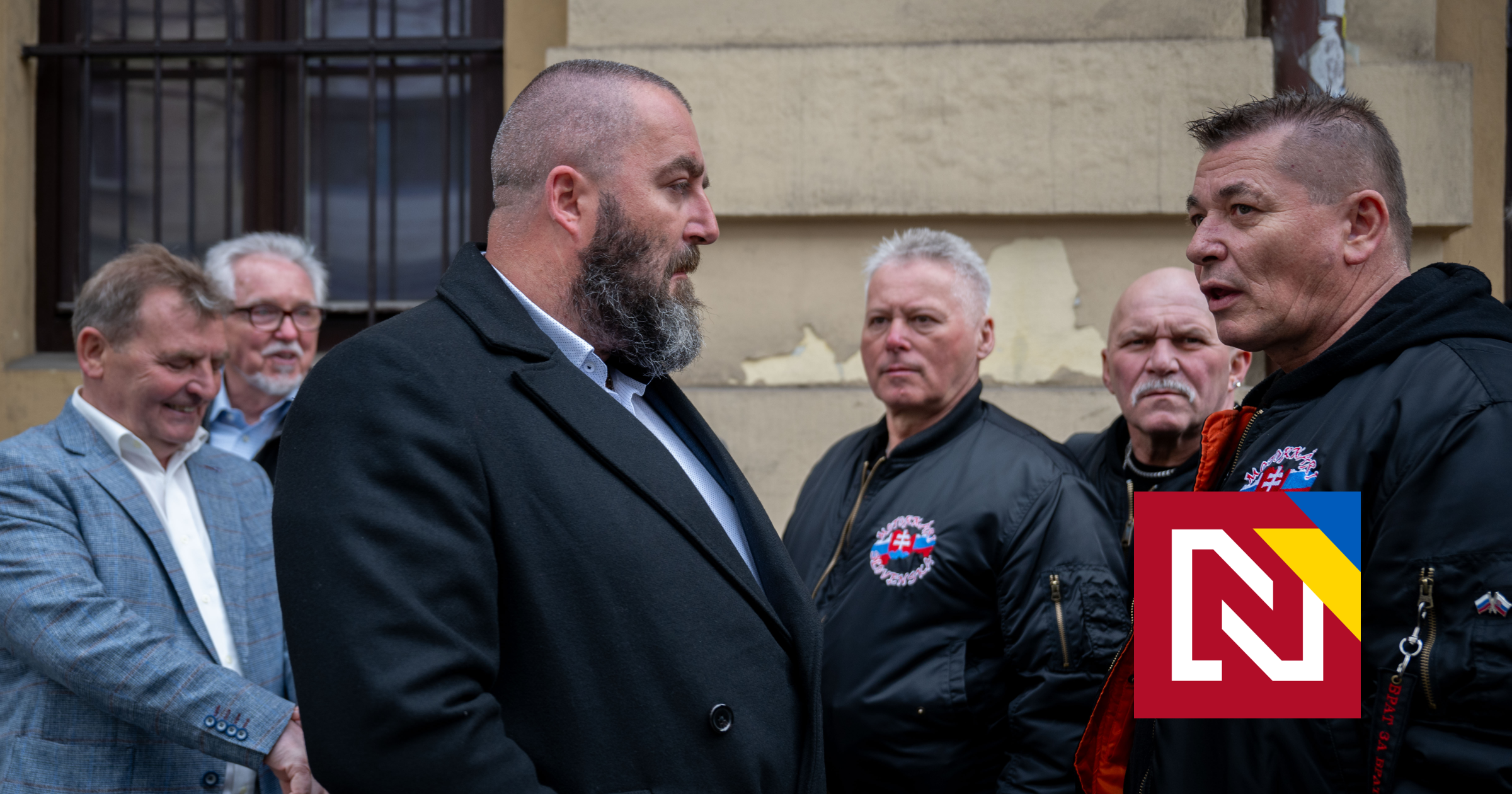
Slovak Authorities Find No Evidence Against Pro-Russian Biker Group's 'Intelligence Service' Plans

Slovak state authorities have found no evidence of illegal activity regarding the "parallel intelligence service" announced by the pro-Russian motorcycle group Brat za brata (Brother for Brother). In October 2025, Matúš Alexa, chairman of the Brat za brata civic association, announced plans to establish a parallel intelligence service that would collect information on Slovak citizens. Following this announcement, the NGO Peace for Ukraine together with the Institute for New Security Threats (NEST) filed complaints with the General Prosecutor's Office and the Ministry of Interior. The Brat za brata group is known for its pro-Russian orientation and has previously been associated with activities supporting Russia's position in international conflicts. The case highlights ongoing concerns about pro-Russian organizations operating in Slovakia and their potential impact on national security, particularly given Slovakia's membership in NATO and the European Union.

|
Domestic Politics

Kalińák Shuts Down Mixers in Prešov as Political Tensions Rise

Defense Minister Robert Kaliňák ordered the shutdown of concrete mixers in Prešov, though the specific context and reasons for this decision remain unclear. Meanwhile, political maneuvering continues as regional politician Gubík rejected potential alliances with both Smer-SD, the ruling social-democratic party, and the far-right Republic party. The developments come amid broader political tensions, with Ukrainian President Volodymyr Zelenskyy facing criticism from Slovak public opinion despite his defensive stance on various issues.

|
Domestic Politics

Slovak Prime Minister Fico Faces Multiple Political Challenges

Slovak Prime Minister Robert Fico's administration is confronting several political setbacks across different fronts. Defense Minister Robert Kaliňák shut down cement mixers during a visit to Prešov, signaling potential infrastructure or policy disputes. Meanwhile, political figure Gubík has rejected alignment with both Smer-SD, Fico's ruling social-democratic party, and the opposition Republic party, indicating shifting political alliances. The developments come as Ukrainian President Volodymyr Zelensky continues his defense efforts, though polls suggest a majority of Slovak citizens do not support his position, reflecting Slovakia's complex stance on the Ukraine conflict under Fico's leadership.

|
Domestic Politics

Opposition Leader Says Coalition Admits It Cannot Meet Economic Goals, Calls for Finance Minister's Resignation

Opposition politician Kišš has called for Slovakia's finance minister to resign, claiming that the ruling coalition has already admitted it cannot achieve its own economic objectives. The statement represents escalating criticism of the government's economic performance and fiscal management. Slovakia's current ruling coalition, led by the social-democratic Smer-SD party, has faced mounting pressure over its ability to deliver on campaign promises amid challenging economic conditions. The opposition's demand for ministerial resignation reflects broader tensions over the government's handling of public finances and economic policy implementation.

|
Domestic Politics

Slovak Mayor Defends Parking Lot Rental Deal Amid Criticism from Opposition Lawmaker

A Slovak opposition lawmaker has criticized a municipal parking lot rental agreement, calling the financial terms "a mockery to citizens." The controversy centers on the rental conditions for a public parking facility, which the lawmaker argues are unfavorable to taxpayers. The local mayor has defended the decision, stating that the municipality followed transparent procedures in the rental process. The dispute highlights ongoing tensions over how local governments manage public assets and whether they are securing appropriate returns for taxpayers from commercial arrangements involving municipal property.

|
Domestic Politics

Defense Ministry Suspends Construction of Military Hospital in Prešov

Slovakia's Defense Ministry has suspended construction of a new military hospital in the eastern city of Prešov. Military police are currently guarding the construction site. The ministry, which oversees the country's armed forces and defense infrastructure, has not disclosed the reasons behind the suspension of the project, which was intended to serve military personnel and expand Slovakia's defense medical capabilities in the eastern region.

|
Domestic Politics

Slovak Commentary Panel Reviews Week's Key Political Developments

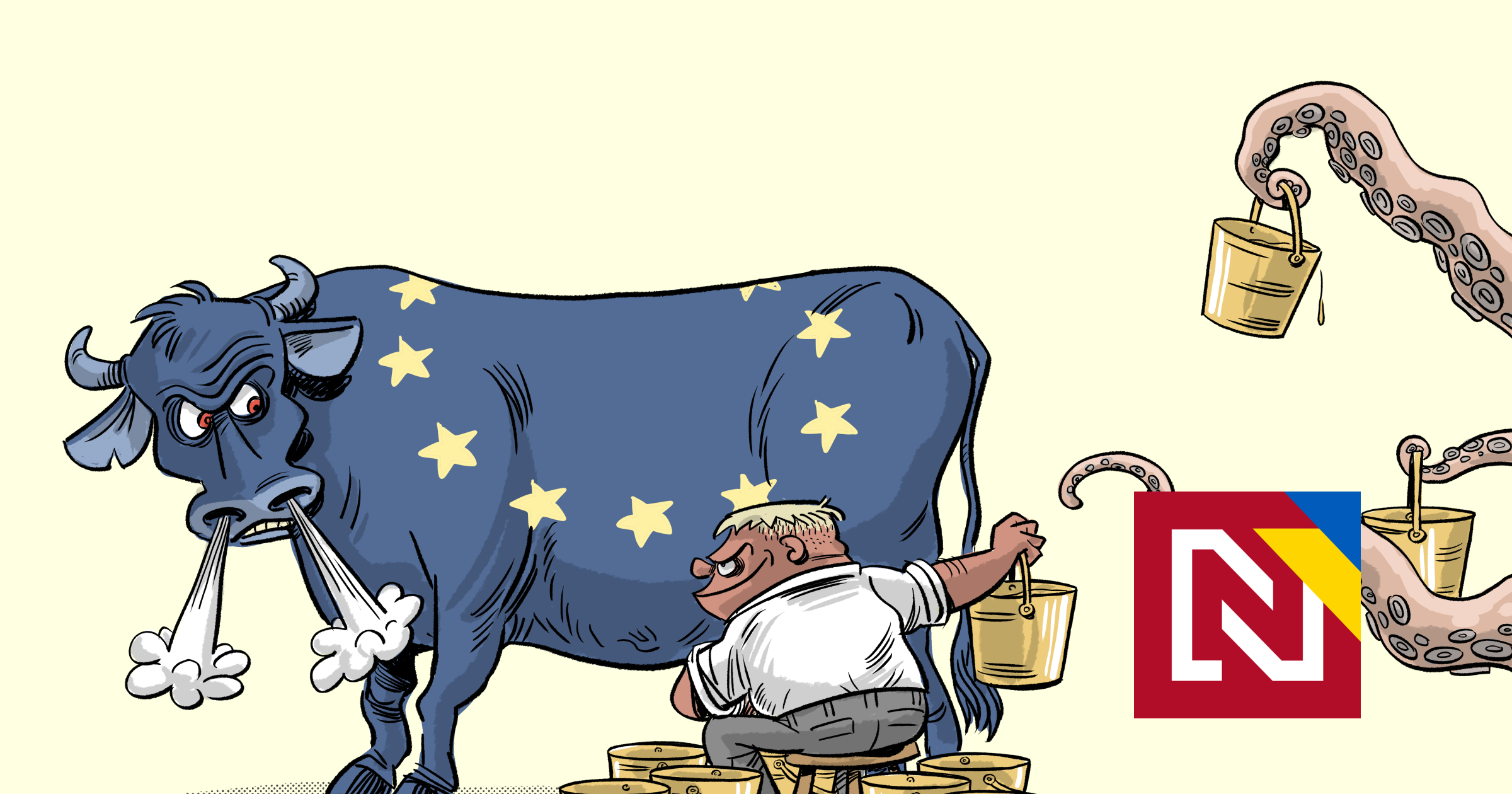
Slovak political commentators Petková, Štrasser, Šáteková, and Čikovský conducted their weekly review of significant political developments, highlighting key events, political missteps, and underestimated moments from the past week. The panel's discussion included analysis of Slovakia's relationship with European Union funding mechanisms, with particular attention to the potential consequences if EU financial support were to be suspended. The commentators emphasized that alternative funding sources, referenced colloquially as "rublefondy" (ruble funds), would not provide adequate compensation for lost European investment.

|
Domestic Politics

Companies excluded from government subsidy program plan legal action

Several companies that were removed from a government subsidy program by the Deputy Prime Minister's Office are preparing to challenge the decision in court. The exclusions have prompted the opposition Slovakia movement to call for an extraordinary parliamentary committee meeting to examine the matter. The Deputy Prime Minister's Office, which oversees various government programs and policy coordination, made the decision to exclude the companies from the subsidy scheme, though the specific reasons for their removal have not been detailed.

|
Domestic Politics

Slovak Political Parties Form Regional Coalitions Ahead of October Local Elections

Slovak political parties are negotiating regional coalitions and candidate selections for October's municipal and regional elections. Parliamentary Vice-President Peter Gašpar is considering running for regional governor, while the ruling Smer party is reportedly weighing support for an extremist candidate in some regions. Meanwhile, the opposition Progressive Slovakia party is moving closer to forming an alliance with the Hungarian Alliance party. The coalition-building process reveals varying strategies across the country, with some parties already finalizing their candidates in certain counties and district cities while others continue negotiations. These local and regional elections will serve as an important test of political strength ahead of future national contests, as parties seek to establish territorial control and demonstrate their organizational capabilities beyond the national parliament.

|