Dávka - Your daily dose of Slovak news
Last refreshed: 30/06/2026 05:41 · 30 articles added
Stories are refreshed at 05:30, 10:30, 15:30, and 21:30 UTC.

Domestic Politics

View all2821 stories
Domestic Politics

Slovak Organized Crime Unit Releases All Suspects After Raids in Southern Slovakia

The National Unit for Combating Organized Crime (ÚBOK) has released all suspects detained during recent raids in southern Slovakia, including the son of a cemetery keeper connected to the Sátoraljaújhely area. After conducting a series of interrogations, police decided to release all individuals who had been taken into custody during the operation. The ÚBOK is Slovakia's specialized law enforcement unit responsible for investigating organized crime, corruption, and serious criminal offenses. The raids targeted suspects in the southern region of the country, though specific details about the nature of the investigation or charges have not been disclosed.
|
Domestic Politics

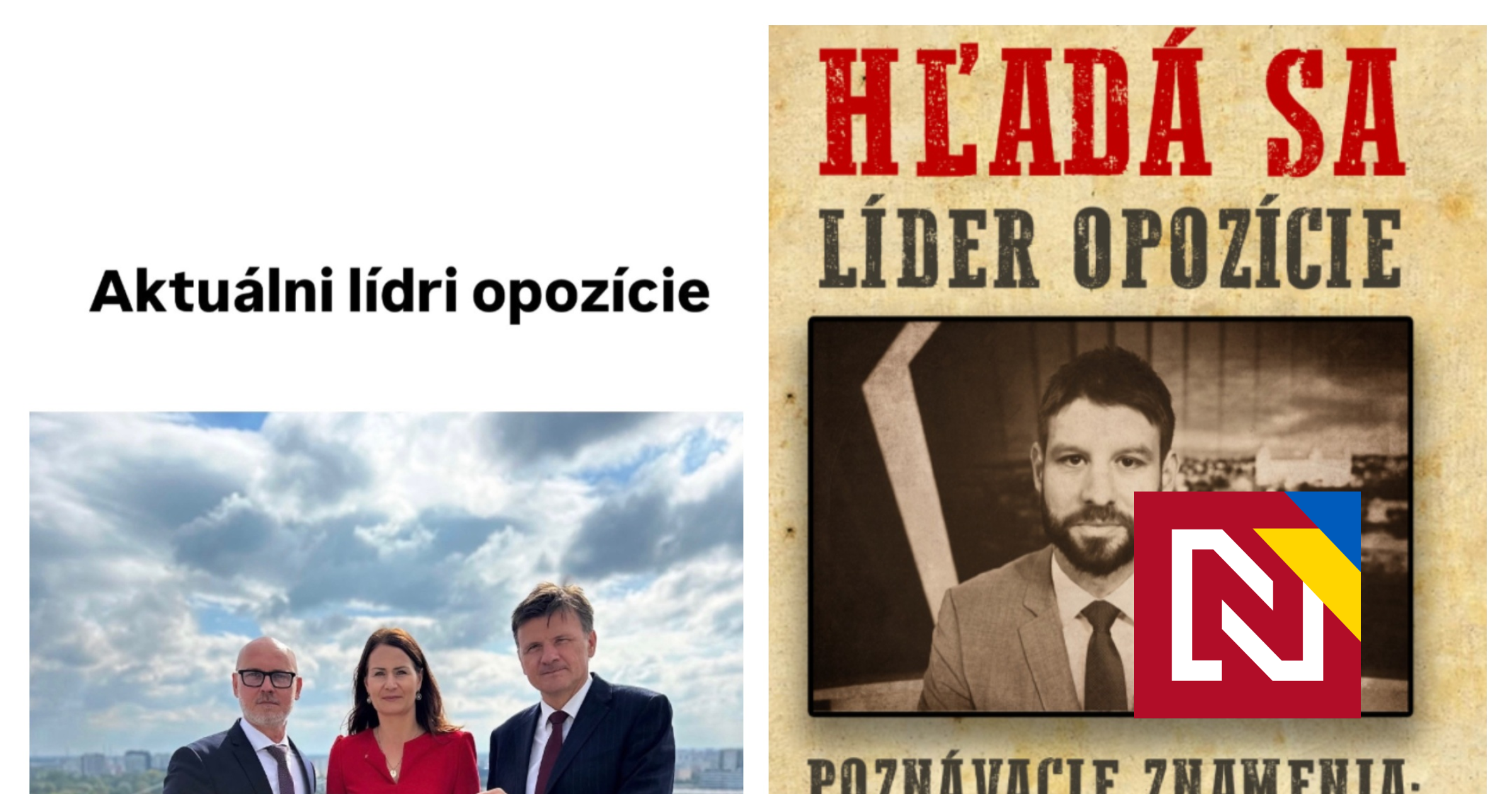
Opposition Deputy Calls for Strategic Coalition Against Ruling Smer Party

Ágoston Renczes, deputy chairman of Slovakia's National Council from the opposition Progressive Slovakia party, has outlined strategies for defeating the ruling Smer party in future elections. Writing in an opinion piece, Renczes argued that unlike neighboring Hungary's Fidesz party under Viktor Orbán, Smer has not concentrated as much power or built as sophisticated a system of control despite its clear ambitions to do so. He emphasized that Slovakia maintains a proportional electoral system, unlike Hungary's more restrictive framework, and stressed that the key to electoral victory against Smer lies in persuading voters rather than relying solely on electoral mechanics. Progressive Slovakia is part of the liberal opposition coalition that has been challenging the current government led by Prime Minister Robert Fico's Smer-SD party, which returned to power following elections in 2023.

|
Domestic Politics

Fico's Political Future Tied to Balancing Pro-European and Pro-Russian Voters

Slovak Prime Minister Robert Fico's political survival depends on his ability to balance different voter segments, according to political analysis. Fico faces the challenge of maintaining support from both pro-European voters and pro-Russian extremist factions within his coalition. This balancing act reflects the ideological tensions within Slovakia's ruling government, where Fico's Smer-SD party must navigate between maintaining European Union relationships while accommodating more radical pro-Russian elements. The analysis suggests that Fico's future political success will depend on his ability to keep these divergent political forces unified under his leadership.

|
Domestic Politics

Slovak Ministry Backs 'Right to Stay' Initiative for Regional Development

Slovakia's government is supporting a 'right to stay' initiative aimed at developing the country's regions, according to Minister Migaľ. The minister stated that the problem particularly affects eastern Slovakia, where economic opportunities and infrastructure lag behind other parts of the country. The initiative appears designed to address regional disparities that have led to population migration from less developed areas, particularly in Slovakia's eastern regions, to more prosperous parts of the country or abroad.

|
Domestic Politics

Slovak Government Approves Digital Platform Law That Could Reclassify Gig Workers as Employees

The Slovak government approved new legislation that could transform independent contractors working through digital platforms into full employees under certain conditions. The law establishes that platform workers can be considered employees if the platform controls their work, determines their pay, schedules their hours, or monitors their performance quality. Under the new rules, digital platforms will be required to provide transparency about how they assign work, monitor worker performance, and influence earnings. The legislation aims to improve working conditions for people who earn income through digital platforms, addressing the growing gig economy where workers often lack traditional employment protections and benefits.

|
Domestic Politics

Constitutional Court Rules Government Heat Cost Regulation Unconstitutional

Slovakia's Constitutional Court declared a government regulation on heat cost allocation in apartment buildings unconstitutional following a challenge by opposition lawmakers. The opposition members argued that the regulation's provisions violated property rights protections. The Constitutional Court, Slovakia's highest judicial authority on constitutional matters, sided with the opposition's argument that the heat allocation rules conflicted with fundamental property ownership guarantees enshrined in the constitution.

|
Domestic Politics

Smer-SD Rules Out Changes to 13th Pension During Current Parliamentary Term

Slovakia's ruling Smer-SD party has declared it will not allow any modifications to the country's 13th pension during the current parliamentary term. Party representative Richter stated that the governing coalition will not divide itself over this issue and that the government's program statement remains binding for all coalition partners. The 13th pension is an additional annual payment to retirees that serves as a form of Christmas bonus, representing a significant social benefit in Slovakia's pension system. The statement appears aimed at maintaining unity within the ruling coalition, which includes Smer-SD as the dominant social-democratic party, amid ongoing debates about social spending and fiscal policy.

|
Domestic Politics

Slovakia Completes 53 Tasks from Revised Prison System Concept

Slovakia's Ministry of Justice and the Prison and Judicial Guard Corps have completed 53 tasks from a revised prison system concept, according to a new report. The Ministry of Justice, which oversees the country's correctional facilities and judicial security, worked alongside the Prison and Judicial Guard Corps to implement changes aimed at modernizing the prison system. The completion of these tasks represents progress in Slovakia's ongoing efforts to reform its correctional institutions and improve conditions within the prison system.

|
Domestic Politics

Slovak Parliament Rejects Opposition Proposals on Family Benefits and Intelligence Service Reform

Slovakia's National Council rejected a series of opposition-backed proposals on Wednesday covering family policy, security, and environmental issues. The parliament voted down measures that would have protected large families from cuts to tax bonuses and increased financial support for first-grade students. Lawmakers also blocked an attempt to reform the selection process for the head of the Slovak Intelligence Service (SIS) and strengthen oversight of the intelligence agency. The rejected proposals represented a broad range of opposition initiatives that failed to gain support from the ruling coalition.

|
Domestic Politics

Slovak Government Approves Legal Changes Affecting Ongoing Corruption Cases

The Slovak government has approved new legal amendments that will apply retroactively to ongoing criminal cases, including those already in progress. The changes will affect the high-profile Očistec (Purgatory) corruption case, in which former police chief Tibor Gašpar is among the defendants. Opposition parties have criticized the amendments, claiming they are designed specifically to benefit Gašpar and other defendants in major corruption cases. The Očistec case represents one of Slovakia's most significant anti-corruption investigations in recent years, involving allegations against high-ranking police and political figures.

|
Domestic Politics

Slovak Woman Convicted in Terrorism Case Receives Suspended Sentence

A Slovak court has issued a final verdict in the case of a woman charged with terrorism-related offenses, sentencing her to a suspended prison term. The court found Dibdiaková guilty of endangering the moral education of youth through complicity. The defendant left the courthouse with a conditional sentence rather than facing immediate imprisonment. The case represents the conclusion of legal proceedings that had involved terrorism charges against the Slovak citizen.

|
Domestic Politics

Slovak Government Approves Third Attempt at Witness Protection Law Changes

Slovakia's government approved amendments to witness protection legislation for the third time, just days before the start of a major court case known as Očistec (Purgatory). The changes affect the legal framework governing cooperating witnesses, commonly referred to as "kajúcnici" (penitents) in Slovak legal terminology. The Očistec case, which is set to begin proceedings in the coming days, involves significant criminal charges that are expected to rely heavily on testimony from cooperating witnesses. This marks the third attempt by the government to modify the witness protection laws, suggesting previous versions faced legal or procedural obstacles.

|
Domestic Politics

Slovakia's Supreme Court upholds sentence for woman convicted of endangering youth moral education

Slovakia's Supreme Court on Wednesday definitively ruled in the case of Slovak citizen Renáta Dibdiaková, confirming her conviction for endangering the moral education of youth through complicity. The court upheld a two-year suspended sentence for the offense. The Supreme Court, Slovakia's highest judicial authority, issued the final ruling in the case, making the conviction legally binding. The charge of endangering moral education of youth is a criminal offense under Slovak law that typically involves actions considered harmful to the development and welfare of minors.

|
Domestic Politics

Slovak Parliament Advances Bill to End Postal Voting for Citizens Abroad

Slovakia's parliament moved legislation to its second reading that would fundamentally change how Slovak citizens living abroad can vote in elections. The bill, proposed by the ruling Smer-SD party, aims to eliminate postal voting for overseas Slovaks, representing a significant shift in voting procedures for the diaspora. The National Council, Slovakia's parliament, discussed the electoral law amendments during Tuesday's session alongside debates on the state of public finances. The proposed changes would affect hundreds of thousands of Slovak citizens residing in other countries who currently rely on postal ballots to participate in domestic elections.

|
Domestic Politics

Slovak Government Approves New Civil Code to Replace 60-Year-Old Legal Framework

The Slovak government approved a new Civil Code on Wednesday, replacing legislation that has been in place for more than 60 years. The new legal framework aims to govern everyday relationships between individuals and companies while ensuring unity and clarity in the country's legal system. The current Civil Code was adopted over six decades ago, and the government says the new version will eliminate fragmentation in Slovakia's legal framework. The reform represents a fundamental change in the rules that regulate ordinary interactions between people and businesses in Slovakia.

|
Domestic Politics

Opposition Party Renews Push to Abolish Slovakia's Financial Transaction Tax

Progresívne Slovensko (Progressive Slovakia), Slovakia's main opposition party, has again submitted a proposal to parliament to abolish the country's financial transaction tax. The party's lawmakers Michal Truban and Štefan Kišš argued that the tax is hampering economic growth and deterring foreign investment, describing it as an "economic absurdity." They cited data showing the tax has generated 200 million euros less revenue than the government originally projected. Slovakia introduced the financial transaction tax as part of broader fiscal measures, but it has faced criticism from business groups and opposition politicians who argue it makes the country less competitive for investment. Progresívne Slovensko, a liberal pro-European party that leads polling ahead of the ruling coalition, has made the tax's repeal a key economic policy priority as it seeks to present an alternative vision for Slovakia's fiscal approach.

|
Domestic Politics

Slovak National Party Leader Calls for Ban on Negative Campaign Advertising

Andrej Danko, leader of the Slovak National Party (SNS), has proposed banning so-called negative public relations campaigns in electoral codes. The proposal comes amid ongoing speculation about the political backing of certain online platforms, including allegations that people behind the scenes have long suspected the SaS party's involvement with the "Myšlienky politikov" (Politicians' Thoughts) website, despite the party's denials. The Slovak National Party is part of the ruling coalition alongside the dominant Smer-SD party, while SaS (Freedom and Solidarity) is a liberal opposition party. Danko's call for restrictions on negative campaigning reflects broader concerns about political communication and electoral practices in Slovakia.

|
Domestic Politics

Slovak Police Launch Large-Scale Anti-Drug Raids Across Country

Slovak police conducted extensive anti-drug operations across multiple locations nationwide, including searches at homes and at a prison facility in Košice-Šaca. Among those detained during the raids was a member of the Prison and Court Guard Service, Slovakia's correctional system security force. The coordinated operation represents a significant law enforcement action targeting drug-related criminal activity across the country.

|
Domestic Politics

Slovak Government to Hold 140th Session as Opposition Focuses on Economic Issues

The Slovak government will convene its 140th session on Wednesday as the country's political scene prepares for an active day of legislative and political activity. Opposition parties, including the Democrats, plan to hold press conferences addressing high fuel prices and Slovakia's economic situation, with the Democrats also expected to discuss a case involving a robbed pensioner. Beyond politics, academic conferences will address issues including workforce aging and the future of modern galleries.

|
Domestic Politics

Slovak Government to Consider State-Run Vehicle Inspections and Thousands of New Rental Apartments

The Slovak government will meet Wednesday to discuss significant changes to vehicle inspection services and housing policy. Ministers will consider proposals to bring technical and emissions inspections under state control, moving away from the current private system. The cabinet will also review progress on a state-supported rental housing project that involves a new investment partner and aims to create thousands of new apartments. The housing initiative represents the government's response to Slovakia's ongoing affordable housing shortage, while the vehicle inspection reforms would mark a shift toward greater state involvement in automotive safety oversight.

|