Dávka - Your daily dose of Slovak news
Last refreshed: 30/06/2026 05:41 · 30 articles added
Stories are refreshed at 05:30, 10:30, 15:30, and 21:30 UTC.

Domestic Politics

View all2821 stories
Domestic Politics

Slovakia's Interior Minister Again Suspends Senior Police Investigator Ďurka

Interior Minister Matúš Šutaj Eštok has once again suspended senior police investigator Pavel Ďurka from duty, citing new criminal charges filed against him in early March. The suspension is reportedly connected to charges in the Kajúcnik case. Ďurka is a prominent investigator who has worked on high-profile corruption and organized crime cases in Slovakia. The move comes as the investigator faces multiple legal challenges, with the interior minister citing the new charges as grounds for removing him from active service. The suspension represents the latest development in ongoing tensions between the current government and investigators involved in major anti-corruption cases.

|
Domestic Politics

Police Chief Proposes Changes to Professional Competency Certificate System

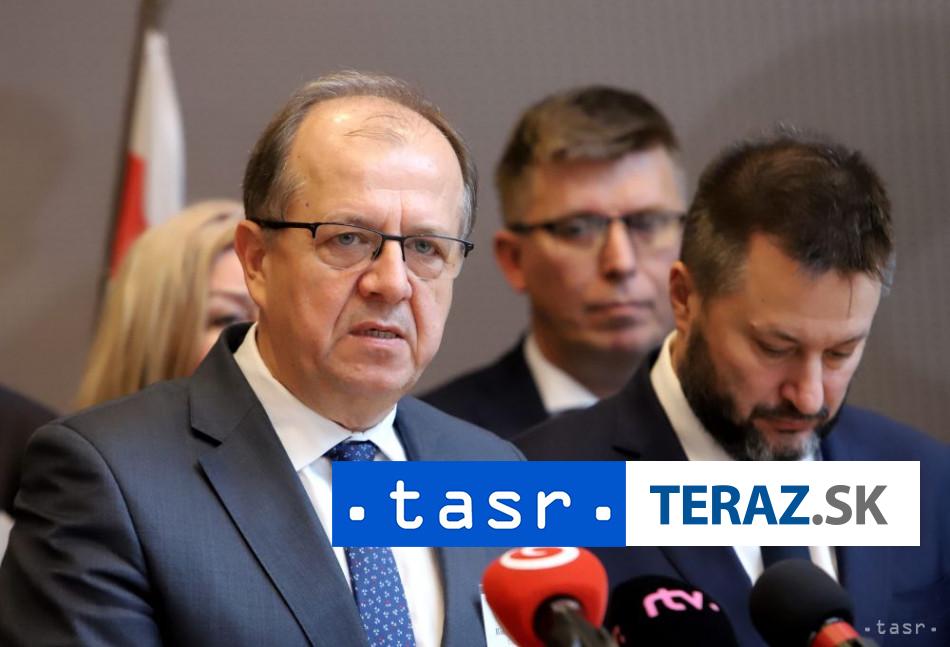
Police President Tibor Gašpar is proposing legislative changes that would eliminate the requirement for examinations when issuing new professional competency certificates. The proposed amendment would streamline the current system by removing the mandatory testing component that applicants currently must complete to obtain these credentials. Gašpar, who heads Slovakia's national police force, believes the change would simplify administrative processes while maintaining professional standards in relevant sectors.

|
Domestic Politics

Slovak Court to Begin Major Police Corruption Trial Involving Former Top Officials

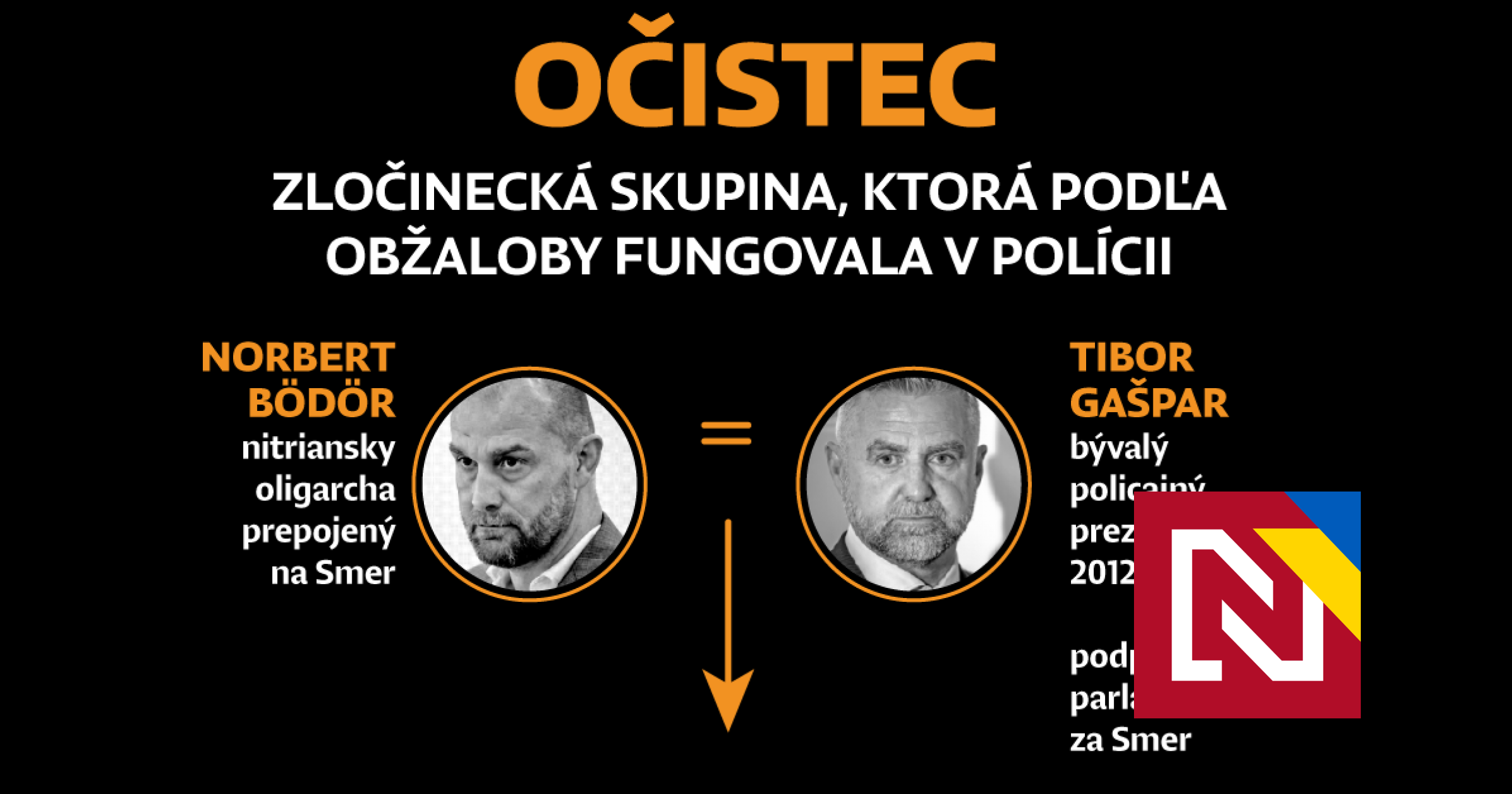
A major corruption trial involving Slovakia's former police chief Tibor Gašpar and his alleged network within the police force is set to begin, drawing significant media attention. Gašpar was released from custody in November 2021 after spending a year in detention, declining to answer journalists' questions and stating he would focus on his defense until the case concludes. The trial, known as "Očistec" (Purgatory), involves multiple defendants accused of corruption within Slovakia's police hierarchy. The case represents one of the most significant challenges to Slovakia's law enforcement establishment, with prosecutors alleging the existence of a corrupt network that operated at high levels within the police force. The proceedings will shed light on the extent of alleged corruption and abuse of power within Slovakia's police during Gašpar's tenure as police chief.

|
Domestic Politics

Former Deputy Governor Migaľ Announces Candidacy for Prešov Regional Governor

Marián Migaľ has announced his candidacy for the position of Prešov regional governor, positioning himself as a full-time alternative to current and potential candidates. The announcement comes as Migaľ distances himself from both incumbent governor Milan Mazurek and another potential candidate, Majerský. Migaľ emphasized that the Prešov region requires a leader who can dedicate themselves fully to the role, suggesting that his opponents may not offer the same level of commitment. The Prešov Self-Governing Region, located in eastern Slovakia, is one of the country's eight regional administrative units responsible for education, healthcare, culture, and regional development. Regional governor elections in Slovakia typically see multiple candidates competing for four-year terms to lead these important administrative bodies.

|
Domestic Politics

Slovak Commentary Reflects on Political Future After Recent Tensions

A Slovak commentator drew parallels between a cookbook title and recent political discourse, referencing the frequently mentioned term "dog's mother" that has gained prominence in Slovak political rhetoric over the past three years. The commentary speculated about the current prime minister's political future, drawing comparisons to Hungarian Prime Minister Viktor Orbán and questioning which political forces might ultimately prevail in Slovakia. The piece mentioned various political actors including references to the Miazga movement and other political groups, though the commentary's fragmented nature suggests it may be part of a larger opinion piece examining the current state of Slovak politics and potential future scenarios.

|
Domestic Politics

Commentary Critiques Government's Peace Rhetoric

A Slovak political commentator has published a critique titled "The Lie About Peace," drawing parallels to George Orwell's dystopian novel "1984" with its famous contradictory slogans "War is peace. Freedom is slavery. Ignorance is strength." The commentary by Peter Bárdy appears to challenge official government narratives about peace, suggesting contradictions in current political discourse. The reference to Orwell's totalitarian themes indicates the piece likely critiques what the author views as doublespeak or misleading rhetoric from Slovak authorities regarding military or foreign policy matters.

|
Domestic Politics

Slovakia Marks 81st Anniversary of Victory Over Fascism Amid Political Tensions

Slovakia commemorated the 81st anniversary of the victory over fascism with memorial ceremonies at Slavín monument in Bratislava and across the country, attended by top constitutional officials and political representatives. The opposition Progressive Slovakia party criticized Prime Minister Robert Fico's recent trip to Moscow for Victory Day celebrations, highlighting ongoing political tensions over the government's foreign policy orientation. The day's events included not only memorial services but also political press conferences and discussions about postal voting arrangements for Slovak students studying abroad, reflecting the intersection of historical remembrance with contemporary political debates in the country.

|
Domestic Politics

Prime Minister Fico's Attendance at Celebrations Remains Uncertain

Slovak Prime Minister Robert Fico's participation in upcoming celebrations remains undecided, with conflicting signals about whether he will attend the events. The uncertainty has prompted questions about the premier's commitment to ceremonial duties. Fico leads Smer-SD, the dominant party in Slovakia's ruling coalition, and his public appearances are closely watched given his central role in the government.

|
Domestic Politics

Slovak Parliament Speaker Gašpar Faces Court Proceedings While Leading Legislative Sessions

Parliament Speaker Peter Gašpar will face court proceedings with 37 hearing days already scheduled, raising questions about how he will manage his parliamentary duties and whether his absences will affect the ruling coalition's voting strength. Gašpar, who presides over the National Council, Slovakia's parliament, must balance his role leading legislative sessions with attending his court case. The situation creates potential complications for the governing coalition, which relies on maintaining sufficient members present for crucial parliamentary votes. The extensive court schedule suggests a complex legal case that could significantly impact parliamentary operations over an extended period.

|
Domestic Politics

Slovak Coalition Partner Accuses Prime Minister of Lying Ahead of Moscow Visit

Andrej Danko, chairman of the Slovak National Party (SNS), publicly accused Prime Minister Robert Fico of preparing to lie to Russian President Vladimir Putin during an upcoming visit to Moscow. Danko criticized Fico and Foreign Minister Juraj Blanár for their inconsistent statements about Russia and Ukraine, saying they change their positions depending on the audience. The SNS leader appeared frustrated at being excluded from the delegation traveling to Russia. This public criticism highlights growing tensions within Slovakia's ruling coalition, with Danko's SNS serving as a junior partner alongside Fico's Smer-SD party. The dispute comes as Slovakia maintains a controversial stance on the Ukraine conflict, with Fico having taken positions that often diverge from mainstream EU policy on Russia.

|
Domestic Politics

Opposition SaS Party Says Technical Cooperation Possible Without Formal Coalition

Mária Kolíková, deputy leader of the opposition Freedom and Solidarity (SaS) party, indicated that political cooperation does not necessarily require formal coalition arrangements. The liberal party, which currently sits in opposition, has been discussing potential alliances with other opposition groups including Progressive Slovakia (PS) and the Democrats party. However, SaS leadership has expressed reluctance to enter into a formal coalition agreement with these parties at this time. Kolíková also addressed questions about whether SaS has shifted toward more conservative positions in recent political developments. SaS, founded as a liberal party focused on economic freedom and anti-corruption measures, has been part of Slovakia's fragmented opposition since the current government took power.

|
Domestic Politics

SaS Deputy Leader Says Party Not Ready to Join Coalition with Progressive Slovakia and Democrats

Mária Kolíková, deputy leader of the liberal Freedom and Solidarity party (SaS), stated that her party is not currently prepared to form a coalition with Progressive Slovakia (PS) and the Democrats. In an interview, Kolíková addressed questions about whether SaS has become more conservative in its political positioning and explained the party's reluctance to join forces with the two opposition parties. SaS, which was previously part of the center-right governing coalition until 2023, remains one of Slovakia's main liberal opposition parties alongside PS, which was formed by former members of the anti-corruption Ordinary People party, and the Democrats, a smaller centrist party led by former foreign minister Miroslav Lajčák.

|
Domestic Politics

Expelled Slovak MP Ferenčák Escalates Public Feud with Former Party Colleagues

Ján Ferenčák, a member of parliament expelled from the Hlas party, has intensified his public conflict with former party colleagues over the past two weeks by making personal attacks and revealing private information including gossip and pointing to luxury villas in Dubai and other high-end destinations. Ferenčák faces suspicions of accepting bribes, and his company has previously had property seized by authorities. A video has emerged showing him handing over 45,000 euros in cash to someone. The expelled MP has indicated he plans to present evidence to support his claims against his former party associates. Hlas is a center-left party that forms part of Slovakia's ruling coalition government alongside the dominant Smer-SD party.

|
Domestic Politics

Slovak Opposition Parties Begin Talks with Hungarian Alliance for Pre-Election Coalition

Three major Slovak opposition parties have initiated discussions with the Hungarian Alliance about forming a pre-election coalition ahead of the next parliamentary elections. Progressive Slovakia, the Christian Democratic Movement (KDH), and Democrats are all engaged in talks with the party representing Slovakia's Hungarian minority. The Hungarian Alliance, which represents ethnic Hungarians living in Slovakia, appears to be pursuing a strategic repositioning by considering alignment with opposition forces. Such a coalition could significantly alter the political landscape, as the Hungarian Alliance has traditionally maintained a more independent stance in Slovak politics. The potential partnership reflects broader opposition efforts to consolidate against the current ruling coalition led by Smer-SD.

|
Domestic Politics

Slovakia to Complete List of Critical Infrastructure Entities by July

Slovakia will finalize its official list of critical infrastructure entities by July, according to the Agency for Cyber and Information Security (AKI SR). Classification as a critical entity establishes specific legal obligations for organizations that operate essential services across various sectors. The agency has been developing an expert platform to facilitate cooperation between the state, regulatory bodies, and operators of basic services throughout all critical infrastructure sectors.

|
Domestic Politics

Brother of State Secretary Šalitroš Must Return Hundreds of Thousands from EU Funds After Failed Business

The brother of a Slovak state secretary has been ordered to return hundreds of thousands of euros in European Union funding after his company failed to launch production despite purchasing machinery with the grants. Šalitroš's brother received an extension of time to repay the EU funds. The case highlights ongoing scrutiny of EU fund allocation in Slovakia, where misuse of European development money has been a persistent issue. State secretaries serve as deputy ministers in Slovak government departments and are key figures in policy implementation.

|
Domestic Politics

Coalition Partner Threatens to Leave Government Over Ukraine EU Membership Stance

Andrej Danko, leader of the Slovak National Party (SNS), threatened to withdraw from Slovakia's ruling coalition over disagreements about Ukraine's European Union membership bid. Danko accused Smer-SD, the dominant coalition party led by Prime Minister Robert Fico, of supporting Ukraine's EU accession while the war with Russia continues. The SNS leader stated he supports negotiations between Ukraine and the EU about membership, but insists they should only begin after the conflict ends. The dispute highlights tensions within Slovakia's three-party coalition government, which has taken a controversial stance on the Ukraine war that differs from most EU members. Smer-SD, a social-democratic party, has criticized military aid to Ukraine and called for peace negotiations, while the SNS represents nationalist positions often aligned with pro-Russian sentiment.

|
Domestic Politics

Political Tensions Rise as Ruling Party Targets Opposition Figure

Slovakia's political climate has intensified as the ruling Smer-SD party continues its campaign against opposition figures, with Progressive Slovakia's Michal Šimečka becoming a focal point of attacks. The social-democratic Smer-SD, which leads the current government coalition, has escalated its criticism of Šimečka, who serves as deputy chairman of the liberal Progressive Slovakia party. This development reflects the ongoing polarization in Slovak politics, where the ruling coalition frequently targets opposition leaders as part of its political strategy. The intensification of these political attacks suggests a continuation of the confrontational approach that has characterized Slovak political discourse in recent months.

|
Domestic Politics

Slovakia's Education Ministry Calls for Sensitivity After Interior Minister's Controversial Anti-Drug Roadshow

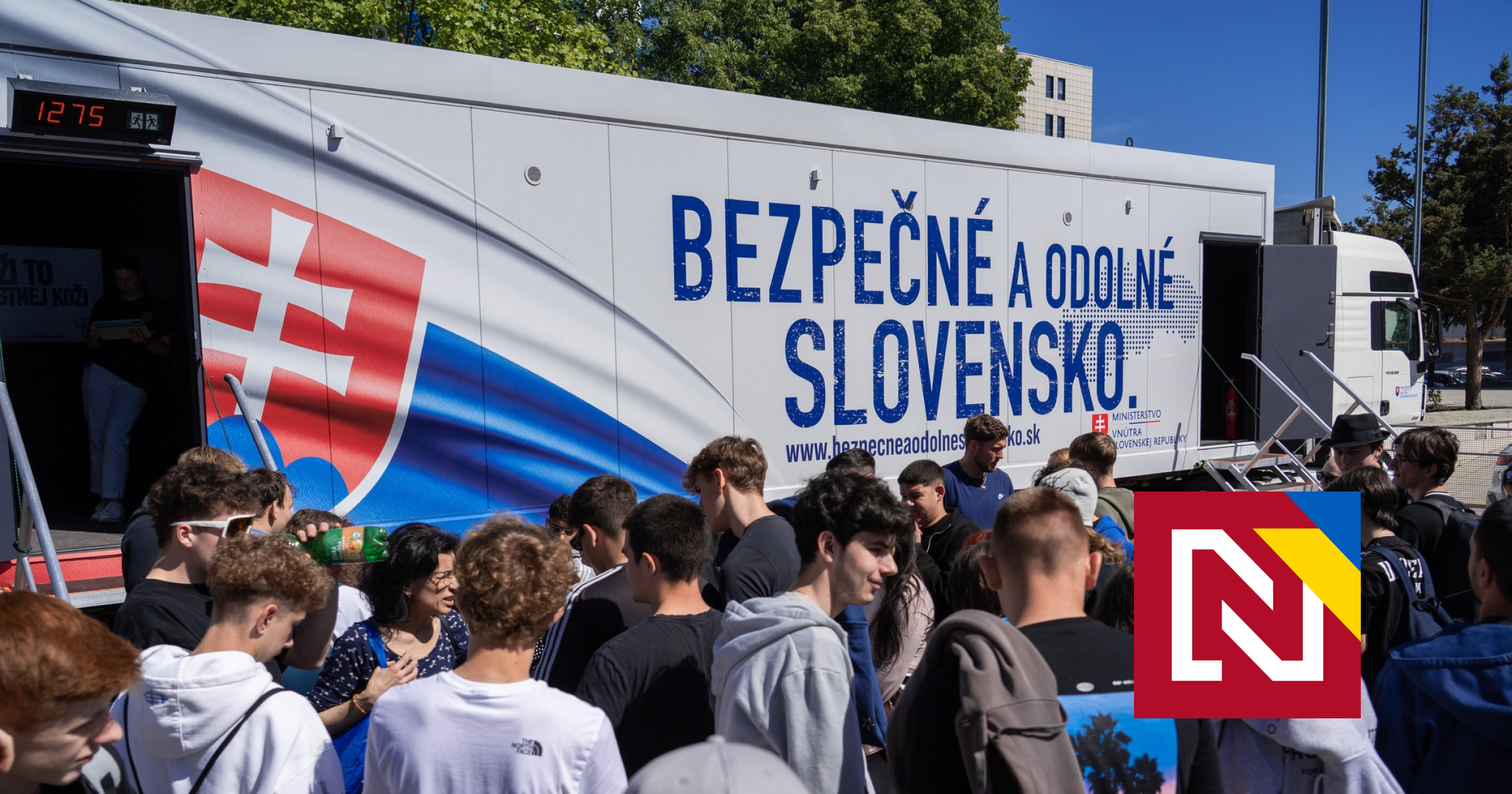
Slovakia's Education Ministry has called for greater sensitivity in activities designed for children following criticism of a controversial roadshow organized by Interior Minister Matúš Šutaj Eštok. The 744,000-euro campaign, which launched in early May, takes children through a dark room featuring sounds of howling dogs, images of chains, illegal breeding facilities, and skeletal remains of domestic animals as part of efforts to educate them about drugs, bullying, and animal abuse. The roadshow, commissioned by Šutaj Eštok who leads the centrist Hlas party, aims to raise awareness among young people about these social issues. However, the Education Ministry has responded by emphasizing that activities targeting children must be prepared with careful consideration for age-appropriateness, suggesting concerns about the potentially traumatic nature of the presentation method being used to deliver the anti-drug and anti-abuse messages.

|
Domestic Politics

Slovak Municipal Union Calls for Local Government Input on Renewable Energy Acceleration Zones

The Union of Slovak Towns and Villages has emphasized that establishing acceleration zones for renewable energy projects requires consultation with local governments. The municipal union stated that developing renewable energy sources is crucial for Slovakia's energy security and self-sufficiency. The acceleration zones are designed to fast-track the approval and development of renewable energy infrastructure across the country. The union's position highlights the importance of involving municipal and regional authorities in the planning process, as local governments will be directly affected by the placement and operation of renewable energy facilities in their territories.

|