Dávka - Your daily dose of Slovak news
Last refreshed: 28/06/2026 05:37 · 18 articles added
Stories are refreshed at 05:30, 10:30, 15:30, and 21:30 UTC.

Domestic Politics

View all2783 stories
Domestic Politics

Trnava Region Development Fund Allocates 800,000 Euros to Projects

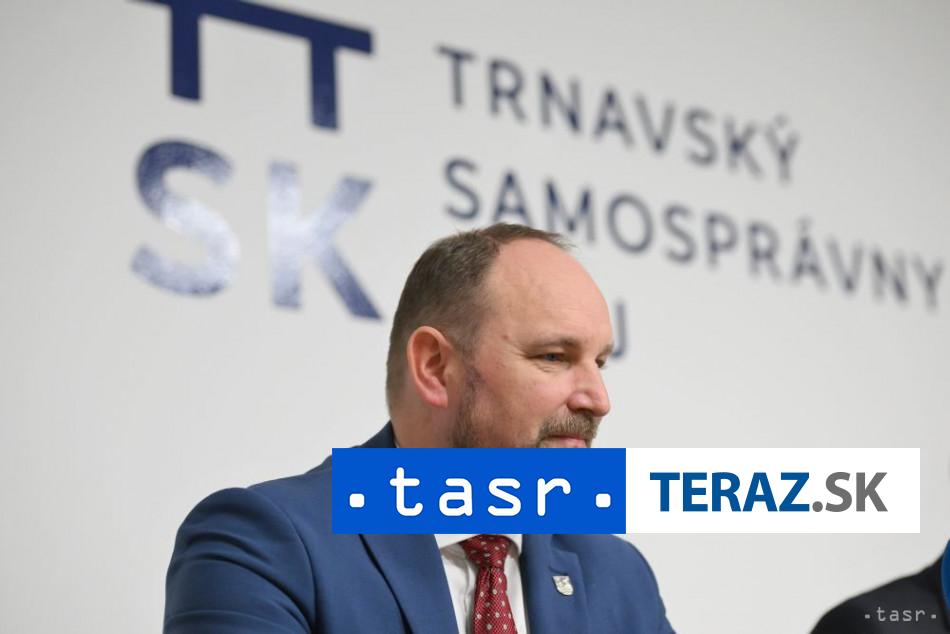
The Trnava Self-Governing Region has announced it will distribute 800,000 euros through its regional development fund to support local projects. Regional Governor Jozef Viskupič stated this represents the highest number of projects ever funded in the program's history. The Trnava Self-Governing Region, one of Slovakia's eight regional administrative units, uses the development fund to support local initiatives and infrastructure improvements within its territory in western Slovakia.

|
Domestic Politics

Slovakia's Public Health Commissioner Rejects Government Health Bill, Plans Own Proposal

Kotlár, Slovakia's commissioner for public health, announced he will not support the government's proposed amendment to public health legislation, citing insufficient and unclear definitions in the bill. Instead, Kotlár plans to submit his own legislative proposal that would introduce objective and measurable criteria for declaring epidemic and pandemic states. The commissioner had previously submitted an amendment to the current bill aimed at establishing these clearer standards for health emergency declarations.

|
Domestic Politics

Interior Minister Saková Builds Residence Under Slavín Hill Amid Controversy Over Connections and Environmental Concerns

Interior Minister Denisa Saková is constructing a residential complex beneath Slavín Hill in Bratislava, a project that has raised questions about dubious utility connections, tree removal, and missing construction permits. The controversial development continues to show ties to businessman Laca, whose involvement has drawn scrutiny. The project involves significant alterations to the protected hillside area, where trees have been cut down to make way for the construction. The lack of proper signage identifying the construction site has added to concerns about transparency in the development process.

|
Domestic Politics

Fico Government Faces Criticism Over Alleged Cronyism and Favoritism

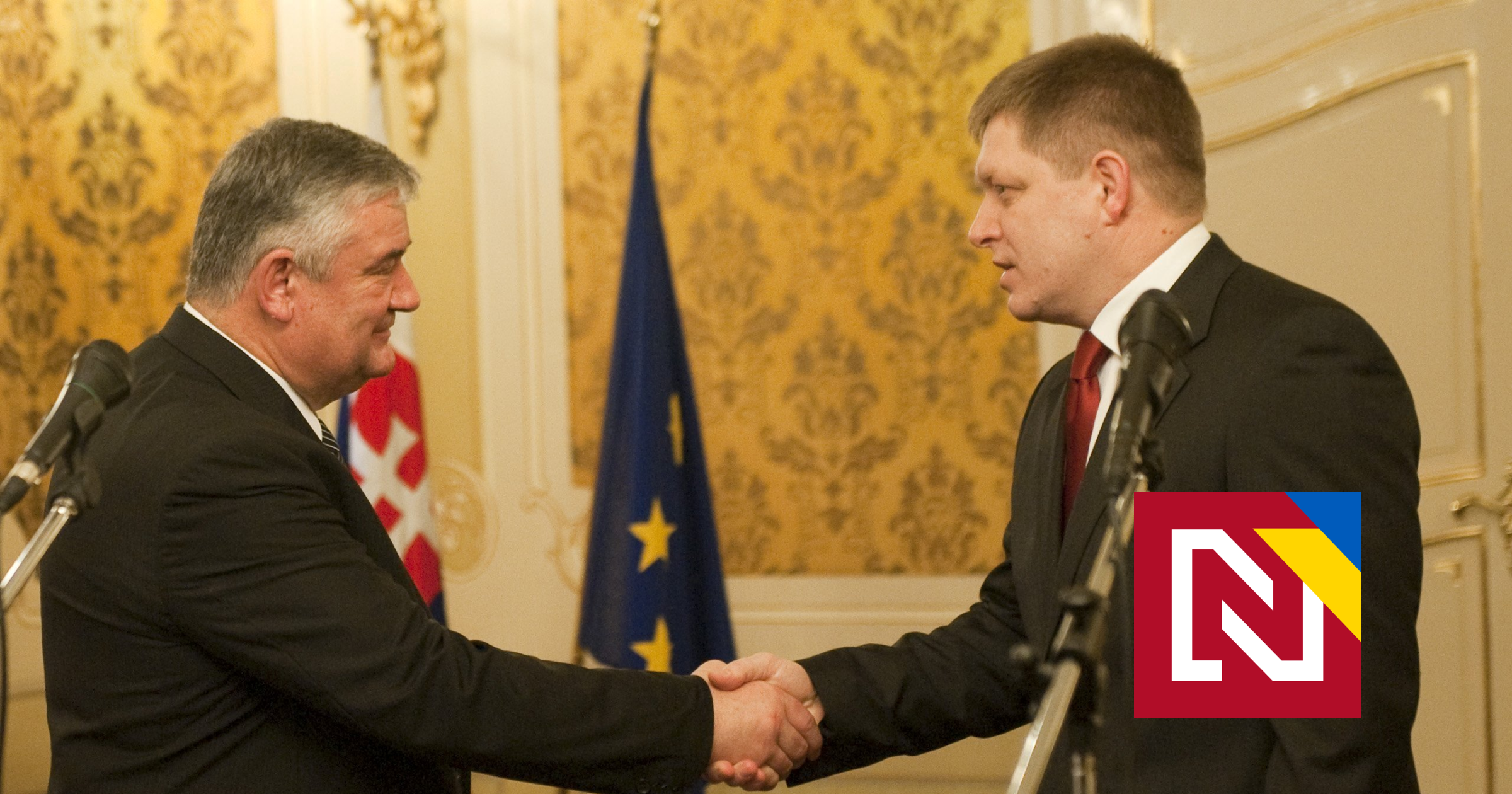
Slovakia's ruling government under Prime Minister Robert Fico is facing renewed criticism over allegations of cronyism and preferential treatment for political allies. Critics argue that the current administration prioritizes placing "their people" in key positions, suggesting a pattern of nepotism within the government structure. The criticism points to what opponents describe as elitist behavior and favoritism that contradicts the populist messaging often employed by Fico's Smer-SD party. This represents the latest in a series of challenges facing the coalition government, which returned to power following elections that saw Smer-SD emerge as the largest party despite years in opposition.

|
Domestic Politics

Opposition Party Announces Electoral Campaign Financing Reform Proposal

Progressive Slovakia, an opposition liberal party, announced plans to submit a legislative proposal addressing electoral campaign financing rules. The party accused Smer-SD, the ruling social-democratic party led by Prime Minister Robert Fico, of systematically circumventing transparency requirements in election campaigns. Smer-SD rejected the allegations, characterizing them as politically motivated attacks designed to damage the prime minister and his family. The dispute highlights ongoing tensions between Slovakia's ruling coalition and opposition parties over campaign finance transparency and electoral integrity.

|
Domestic Politics

Progressive Slovakia Proposes Stricter Campaign Finance Rules, Mandatory Public Party Accounts

Progressive Slovakia, the main opposition party, is preparing legislation in parliament to tighten controls over electoral campaign financing. The proposal targets party-affiliated companies, such as those connected to the ruling Smer-SD party's Agency Smer, and would require political parties to maintain transparent public accounts. The initiative aims to increase oversight of political party finances and campaign spending, addressing concerns about transparency in Slovakia's electoral process. Progressive Slovakia, a liberal pro-EU party that leads the opposition, seeks to strengthen democratic accountability through these financial disclosure requirements.

|
Domestic Politics

Slovak State Approved Over One Million Euros for Defunct Advertising Portal Linked to Ruling Party

Slovakia's state authorities approved more than one million euros in funding for a defunct online advertising portal whose owner had connections to Smer-SD, the country's ruling social-democratic party. The funding was directed to a digital platform that was no longer operational at the time of approval. According to the company involved, the case represents a textbook example of how EU structural funds are being misused in Slovakia. The revelation raises questions about the oversight of public spending and the potential for political favoritism in the allocation of state resources, particularly regarding projects connected to individuals with ties to the governing party.

|
Domestic Politics

Slovak PM Fico Criticizes Employers Over Lunch Break Proposal, Business Groups Push Back

Prime Minister Robert Fico has accused employers of wanting to shorten lunch breaks to 15 minutes, a claim that business representatives strongly deny. According to the Confederation of Trade Unions (RÚZ), the proposal actually came from state-owned transport companies and involved splitting the existing 30-minute lunch break into two shorter pauses rather than reducing the total time. Business groups say Fico is using this criticism to deflect attention from opposition to the government's economic measures package, which includes new taxes and regulatory changes. In response to the government's proposals, employers have suggested eliminating the transaction tax, introducing a flat tax rate, and simplifying VAT rates as alternative economic reforms.

|
Domestic Politics

Slovak Coalition Blocks Recall of Police Chief Amid Conflict of Interest Allegations

Slovakia's ruling coalition has blocked efforts to recall police chief Tibor Gašpar, with the governing Smer-SD party unanimously supporting him despite opposition allegations. The opposition has linked Gašpar to a case known as "Očistec" (Purgatory) and warned of potential conflicts of interest in his position. Gašpar has rejected the accusations against him. The political standoff highlights ongoing tensions between the government and opposition over law enforcement leadership in Slovakia, where the police chief position carries significant authority over criminal investigations and national security matters.

|
Domestic Politics

Prešov Fined Over Pub Near Soviet Monument, City Calls Penalty Illegal

The Slovak city of Prešov received a fine related to the Pub u anjela (Angel Pub) located near a Soviet war memorial. The penalty was issued after authorities questioned Riabov, though specific details of the questioning and the nature of the violation were not disclosed. Prešov's municipal government rejected the sanction, declaring it unlawful and suggesting they will challenge the decision. The case appears to involve regulations governing commercial establishments near war monuments, which are protected sites under Slovak law.

|
Domestic Politics

Former Slovak National Party Leader Avoids Corruption Conviction Due to Legal Technicality

Ján Slota, former chairman of the Slovak National Party (SNS), has escaped conviction on corruption charges after the Supreme Court reclassified his case from accepting bribes to offering bribes, effectively allowing the statute of limitations to expire. The legal maneuver means two criminal acts for which the former party leader was prosecuted are now time-barred. Slota previously made headlines for controversial statements, including claims he had compromising information about various political figures including Robert Fico. The case highlights ongoing challenges in Slovakia's judicial system in prosecuting high-profile corruption cases, as legal technicalities can allow politicians to avoid accountability for alleged criminal conduct.

|
Domestic Politics

Supreme Court Cancels Corruption Conviction Against Former Nationalist Party Leader Ján Slota

Slovakia's Supreme Court overturned the corruption conviction of Ján Slota, former chairman of the Slovak National Party (SNS), ruling that the statute of limitations had expired on his case. The court canceled Slota's sentence and terminated criminal proceedings against him in a case where he was accused of acting as an intermediary in bribing a judge. Slota, who led the nationalist SNS party for many years before stepping down, did not attend the court hearing. The Supreme Court's decision brings a definitive end to the indirect corruption case that had been pursued against the former political leader.

Domestic Politics

Judges from Supreme Court administrative division may request transfer to Supreme Administrative Court

Slovak lawmakers are considering legislation that would allow judges from the administrative division of the Supreme Court to request transfers to the Supreme Administrative Court. The proposed law would also ensure that judges who held leadership positions as senate chairs would retain those roles after transferring to the new court. The measure appears designed to facilitate the transition of judicial personnel as Slovakia reorganizes its court system, with the Supreme Administrative Court serving as a specialized judicial body handling administrative law cases separate from the general Supreme Court structure.

|
Domestic Politics

Slovak Parliament Advances New Civil Code to Second Reading

Slovakia's parliament moved a new Civil Code to its second reading stage, bringing the country closer to major legal reforms. The legislation is scheduled to take effect on July 1, 2027, and consists of seven parts, with the first section covering general legal institutes. The National Council, Slovakia's parliament, must complete the legislative process through three readings before the code can become law. The Civil Code governs fundamental legal relationships between individuals and organizations in areas such as property rights, contracts, and family law, making this update significant for Slovak citizens and businesses.

|
Domestic Politics

Former Slovak MP Marián Haľko Dies at Age 80

Marián Haľko, a former member of Slovakia's parliament, died at the age of 80. Haľko served in the National Council, Slovakia's parliament, as a representative of the ĽS-HZDS party and was a member of the parliamentary Committee for Public Administration and Regional Development. The Movement for a Democratic Slovakia (HZDS) was a major political party in the 1990s and early 2000s, led by former Prime Minister Vladimír Mečiar, which later merged with other parties to form ĽS-HZDS (People's Party - Movement for a Democratic Slovakia). Haľko was originally from the village of Kapušany in eastern Slovakia.

Domestic Politics

Slovakia's Defense Minister Rejects Claims of Coalition Crisis

Defense Minister Robert Kaliňák from Smer-SD dismissed suggestions that Slovakia's ruling coalition is experiencing a crisis, describing current political tensions as normal political life. The ruling social-democratic party also criticized the opposition, claiming that current opposition parties are not prepared to govern or work together effectively. Smer-SD has been facing political pressure amid various policy disagreements within the governing coalition, which includes the populist Slovak National Party and the centrist Hlas party. The comments appear to be a response to recent speculation about instability within Prime Minister Robert Fico's government, which returned to power following elections last year.

|
Domestic Politics

Slovak Parliament to Hold Session on Monday June 15

The National Council, Slovakia's parliament, will convene for a session on Monday, June 15. However, lawmakers will not vote on any legislation during that day's proceedings, limiting the session to debates and discussions only.

|
Domestic Politics

Christian Democrats to Support New Civil Code Advancing to Second Reading Despite Concerns

The Christian Democratic Movement (KDH), a conservative opposition party in Slovakia, will vote to advance a new Civil Code to its second reading in parliament. However, the party has expressed reservations about the proposed effective date of the new legislation. The Civil Code represents a comprehensive legal framework governing civil law matters including contracts, property rights, and personal relationships. Parliamentary approval in the first reading allows legislation to proceed to the committee stage where detailed amendments and revisions are considered before the final vote.

|
Domestic Politics

Slovak Female MPs Face Death Threats, Sexual Harassment from Public and Colleagues

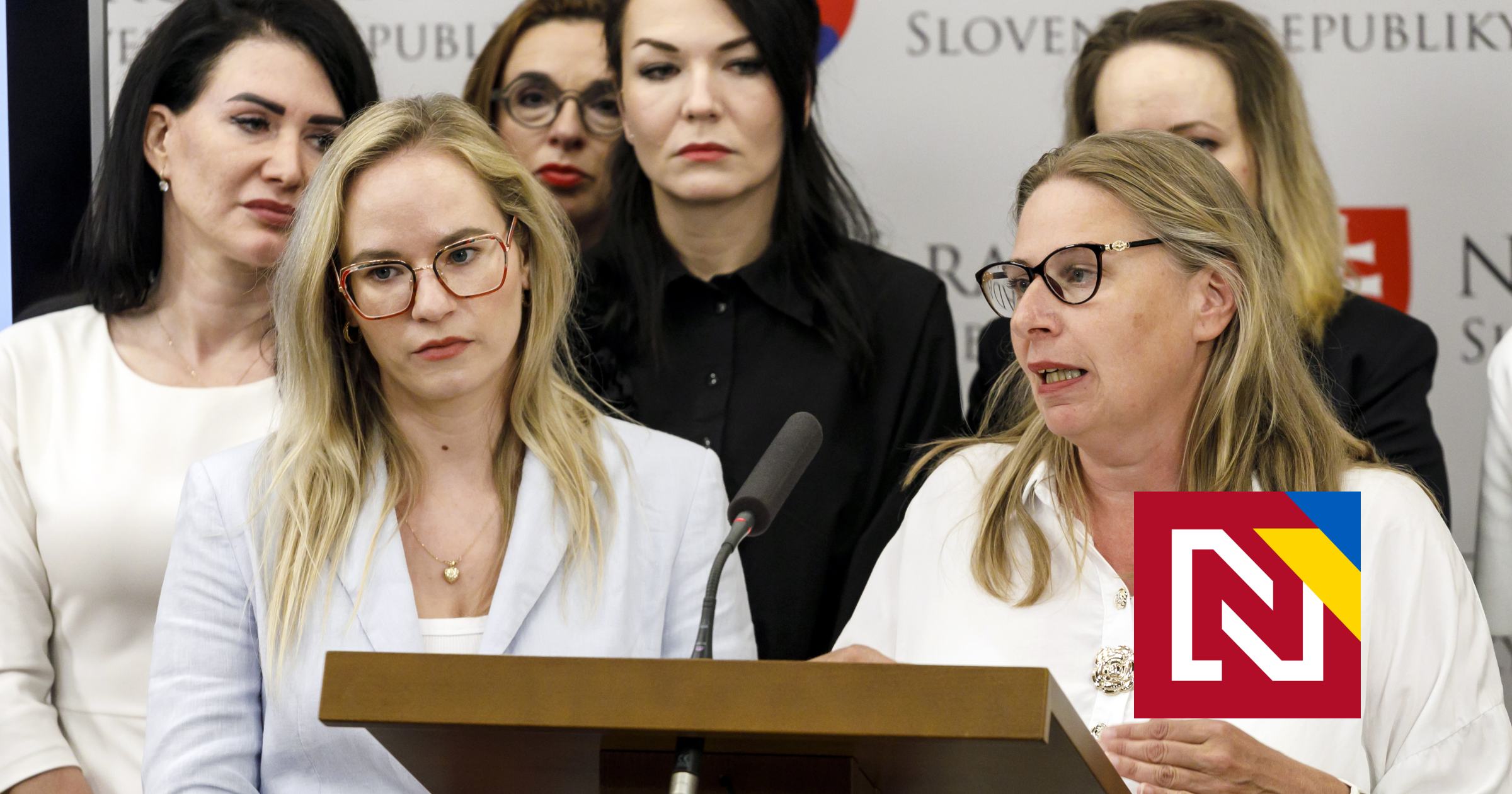
A new study has revealed that female members of Slovakia's National Council face severe harassment including death threats against their children, used condoms sent through mail, and sexist treatment from their male parliamentary colleagues. The research documented the extent of violence and intimidation directed at women parliamentarians, showing they encounter hostility not only from the public but also within the institution itself. The findings highlight the challenges women face in Slovak politics, where they must navigate both external threats and internal workplace harassment while carrying out their legislative duties. The study underscores broader issues of gender-based violence in political participation across Slovakia.

|
Domestic Politics

Tens of Thousands in State Funds Flow to Slovak Prime Minister's Son's Account

Michal Fico, son of Slovak Prime Minister Robert Fico, received approximately 60,000 euros last year through funds his father obtained from the state. Over a two-year period, the total amount could exceed 100,000 euros. The transfers represent a significant financial benefit to the prime minister's son derived from state resources obtained by Robert Fico, who leads the ruling Smer-SD party and has served multiple terms as Slovakia's head of government.

|