Dávka - Your daily dose of Slovak news
Last refreshed: 27/06/2026 21:42 · 38 articles added
Stories are refreshed at 05:30, 10:30, 15:30, and 21:30 UTC.

Domestic Politics

View all2780 stories
Domestic Politics

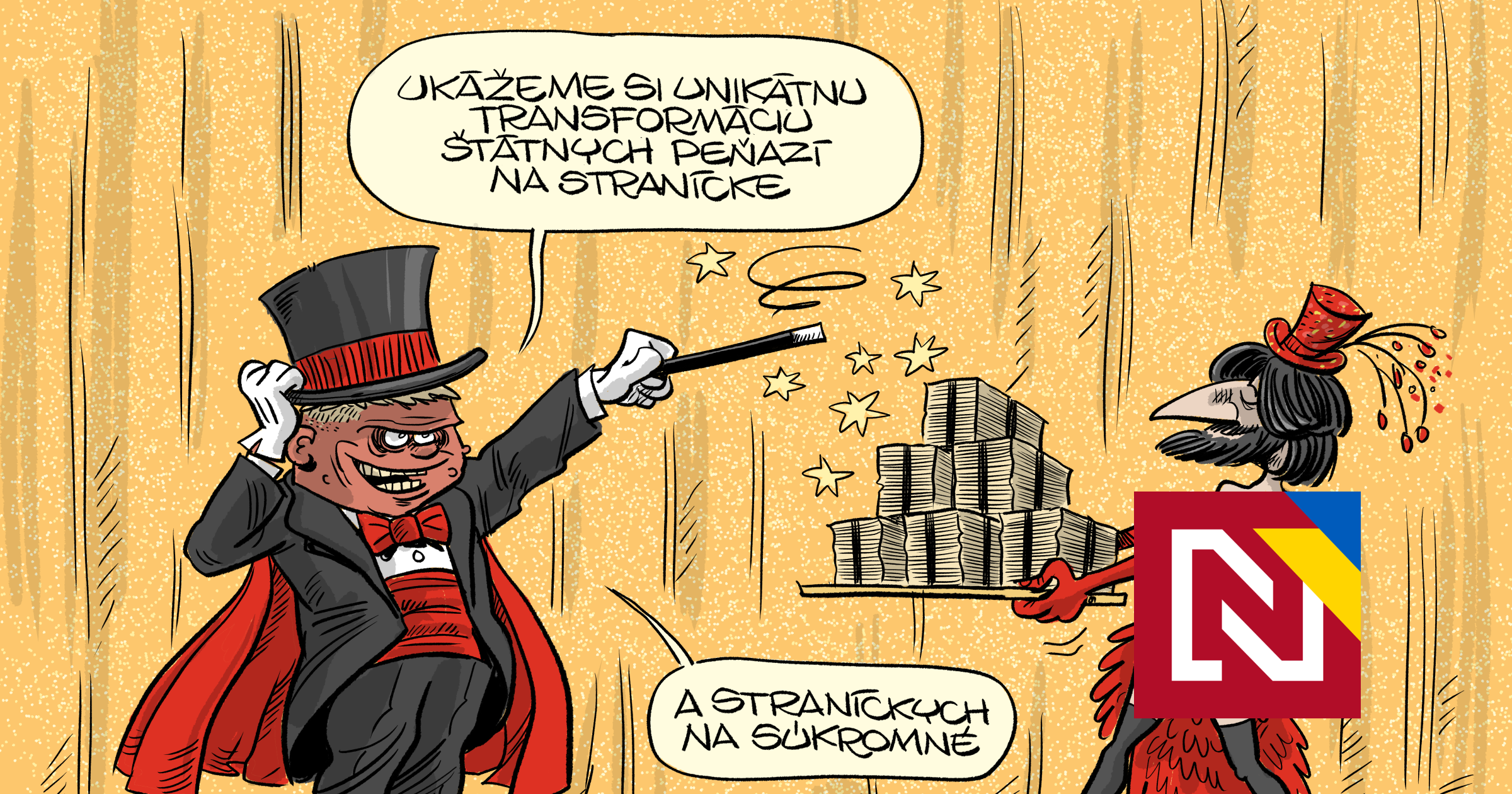
Slovak Prime Minister Fico Criticized for Opportunistic Approach to EU Funds

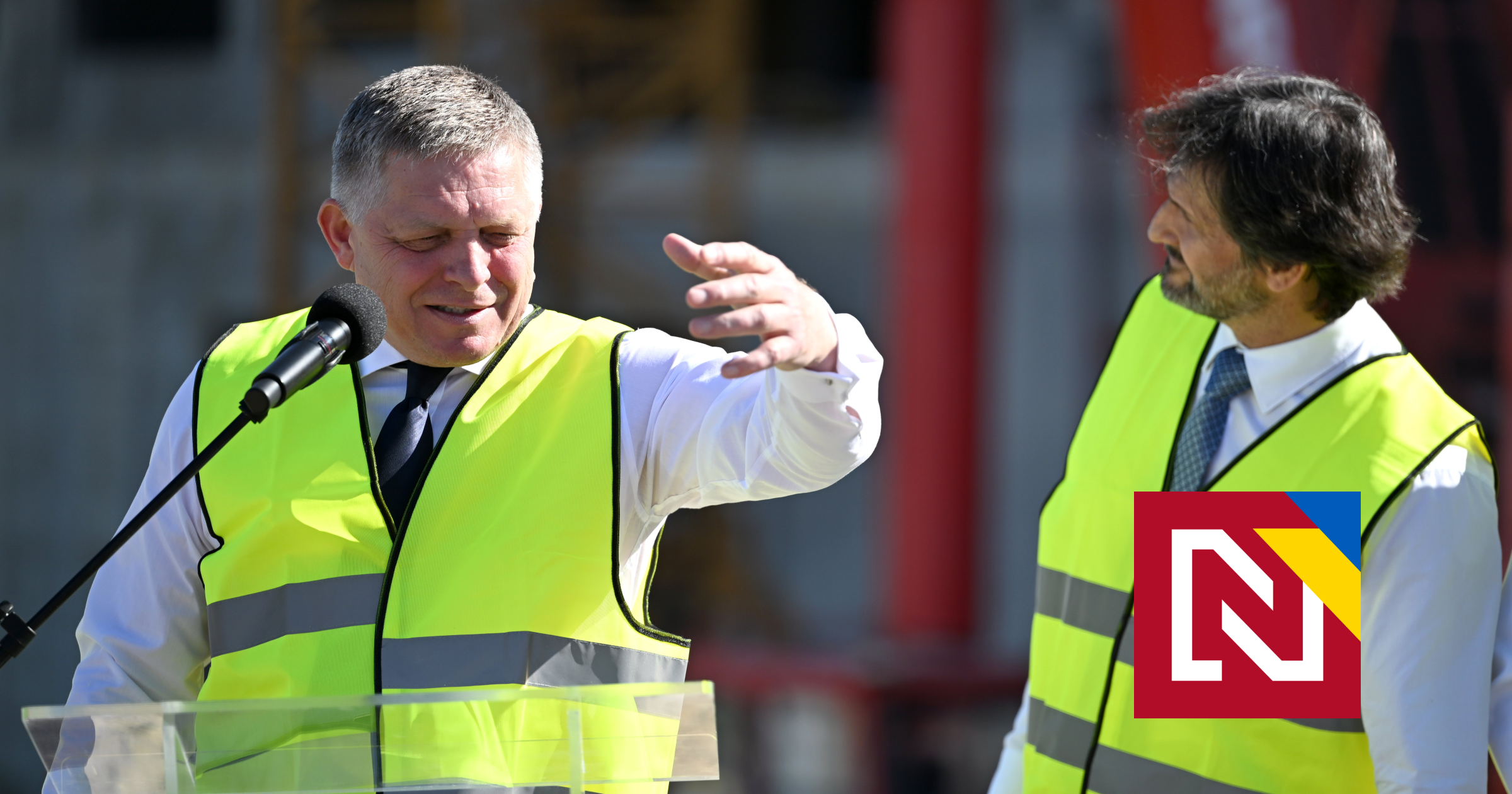
Slovak Prime Minister Robert Fico has been criticized for what commentators describe as an opportunistic approach to European Union funding, with critics characterizing his stance as "when they're giving, take it." The criticism comes as part of broader weekly political commentary highlighting key developments in Slovak politics. Political analysts and commentators have focused on Fico's handling of EU financial opportunities, suggesting his administration prioritizes securing available funds regardless of broader policy considerations. Fico leads Smer-SD, Slovakia's ruling social-democratic party, and has previously taken both pro-EU and EU-critical positions depending on political circumstances.

|
Domestic Politics

Slovak Defense Ministry Plans Technical Modernization as Opposition Criticizes Lack of Clear Vision

Slovakia's Defense Ministry has announced plans for technical modernization as part of its long-term defense strategy extending to 2040. Progressive Slovakia, the main opposition party, sharply criticized the plan, describing it as filled with nonsense and obfuscation. The party specifically targeted Defense Minister Robert Kaliňák, accusing him of remaining silent about Russian aggression and failing to articulate a clear vision for the armed forces. The criticism reflects broader tensions between Slovakia's ruling coalition and opposition over defense policy and the country's stance on regional security issues.

|
Domestic Politics

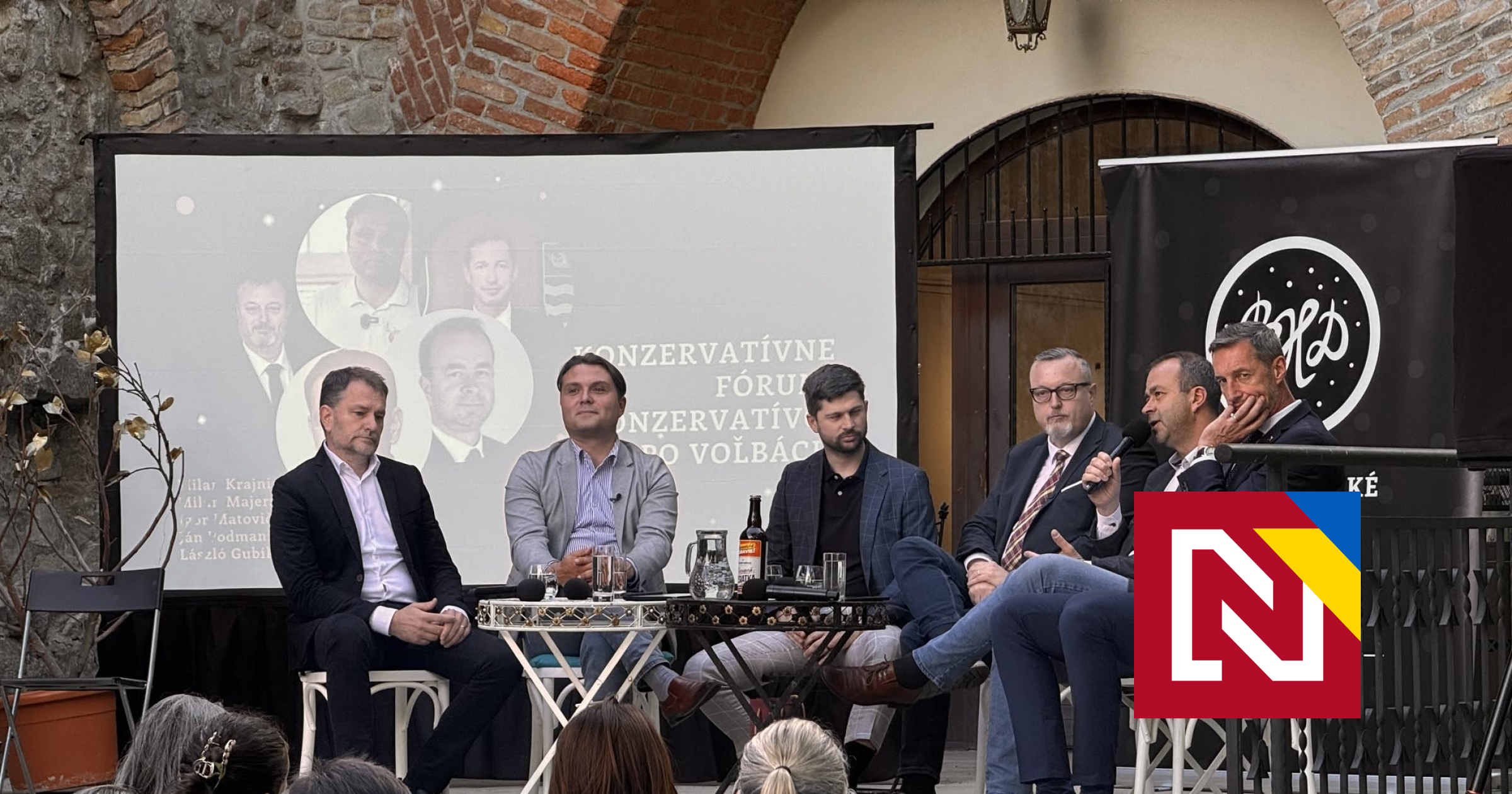
Slovak Conservative Politicians Consider Forming Joint Electoral Bloc

Leading conservative politicians in Slovakia have not ruled out the possibility of creating a unified conservative electoral bloc, during a debate at the Bratislava Hanus Days conference. The discussion among five conservative figures centered on whether progressive politics poses a greater threat than Smer-SD, the ruling social-democratic party that has dominated Slovak politics for much of the past two decades. Igor Matovič, leader of the Ordinary People and Independent Personalities (OĽaNO) party and former prime minister, along with László Gubík from the ethnic Hungarian Alliance party, emerged as unexpected defenders of Progressive Slovakia (PS), the main liberal opposition party. The debate reflects ongoing tensions within Slovakia's fragmented political landscape, where conservative parties have struggled to present a unified front against both the ruling Smer-SD and the growing influence of progressive political movements.

|
Domestic Politics

Former Police Officer Vorobjov Definitively Acquitted in Corruption Case

A Slovak appeals court has definitively acquitted former police officer Vorobjov in a corruption case, rejecting the prosecutor's appeal against a July 2024 acquittal. The Court of Appeals dismissed the prosecution's challenge to the lower court's decision to clear Vorobjov of corruption charges. The acquittal is now final, marking the end of the legal proceedings against the former police officer in this particular corruption case.

|
Domestic Politics

Slovak Committee Rejects Small Municipalities Development Project

A parliamentary committee has rejected a development project designed for small municipalities in Slovakia, according to Migaľ, who stated that officials came to work rather than complain about the setback. The Ministry of Investments, Regional Development and Informatization (MIRRI) has indicated it plans to continue pursuing the initiative despite the committee's rejection. The project was aimed at supporting development in Slovakia's smaller communities, though specific details about the proposal's scope and funding were not disclosed.

|
Domestic Politics

Slovak Government Maintains Priority Support for Smallest Municipalities

The Slovak government has reaffirmed its commitment to supporting the country's smallest municipalities, acknowledging ongoing challenges with resource distribution imbalances. The Ministry of Investments, Regional Development and Informatization stated it will continue seeking solutions to address these disparities through adjustments to existing support mechanisms or the creation of new forms of assistance within the Slovakia Programme. The announcement comes as many of Slovakia's rural communities face persistent economic and demographic pressures that limit their development capacity compared to larger urban centers.

|
Domestic Politics

Partner of Slovak Central Bank Governor Celebrates Birthday at Bank's Mountain Facility

The partner of Peter Kažimír, governor of Slovakia's National Bank (NBS), celebrated her birthday at the central bank's facility in the Tatra Mountains. The celebration reportedly resulted in the cancellation of previously reserved stays for bank employees at the mountain location. The National Bank has declined to disclose the cost of the birthday celebration. The incident raises questions about the use of public institutional facilities for private purposes by senior officials and their families.

|
Domestic Politics

Slovakia's Hlas Party Rented Cars from Company Linked to Cancelled Emergency Services Tender

Slovakia's ruling Hlas party rented vehicles from a company connected to a controversial emergency services tender worth two billion euros that was later cancelled by Health Minister Kamil Šaško. The connection was discovered through a forgotten invoice, revealing ties between the political party and actors involved in the tender process. Hlas is the junior partner in Slovakia's ruling coalition, led by party chairman and Interior Minister Matúš Šutaj Eštok. The emergency services tender had been under scrutiny before Šaško decided to cancel the procurement process entirely.

|
Domestic Politics

Bratislava Regional Assembly Approves Electoral Districts for 2026 Elections

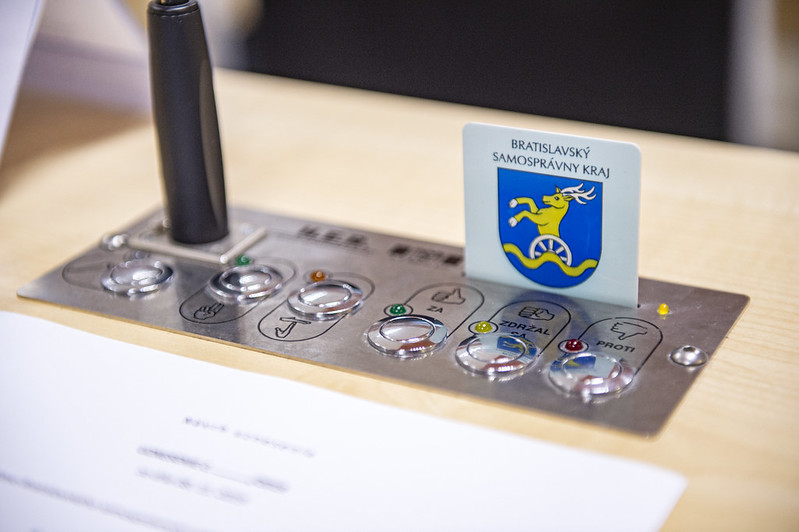
The Bratislava Self-Governing Region Assembly approved the division of the region's territory into electoral districts for the upcoming 2026 regional elections. The regional legislators made the decision at their meeting on June 12, establishing the electoral framework for the autumn 2026 elections to the Bratislava Self-Governing Region Assembly. The Bratislava Self-Governing Region is one of Slovakia's eight regional administrative units, with its assembly serving as the regional parliament responsible for areas such as education, healthcare, transport, and regional development. The electoral district boundaries will determine how voters across the region's municipalities elect their representatives to the 79-member regional assembly.

|
Domestic Politics

Opposition Party Targets Slovak Prime Minister's Partner in Political Counterattack

Progressive Slovakia (PS), the country's main opposition party, has escalated its political confrontation with Prime Minister Robert Fico by targeting his partner Katarína Szalayová. The opposition party suggested that Szalayová may be receiving payments from state funds, marking a shift toward more aggressive personal attacks in Slovak politics. PS leader Michal Šimečka described certain individuals as "parasites" while launching what the party characterized as a "hard counterattack" against the ruling government. The move represents Progressive Slovakia's attempt to intensify pressure on Fico's administration, though the strategy has reportedly created internal divisions within the opposition party itself.

|
Domestic Politics

Former Special Prosecutor Dušan Kováčik Reinstated After Supreme Court Ruling

Dušan Kováčik has been restored to his position as prosecutor following a Supreme Court verdict, though he remains suspended from active duties while receiving partial salary. The former special prosecutor's life has changed significantly after the country's highest judicial authority issued its ruling. Kováčik previously headed the Special Prosecutor's Office, which handles major corruption and organized crime cases in Slovakia. The Supreme Court's decision appears to have reversed an earlier action that had removed him from his prosecutorial role, though the specific details and implications of the ruling remain unclear from the available information.

|
Domestic Politics

Investment Ministry Under Scrutiny Over Funding to Non-Existent Companies

Slovakia's Ministry of Investments, Regional Development and Informatization faces questions over the allocation of millions of euros to companies that reportedly do not exist. The development raises concerns about the ministry's oversight mechanisms and due diligence procedures when distributing public funds. The Ministry of Investments, Regional Development and Informatization is responsible for managing EU structural funds and coordinating investment projects across Slovakia, making proper oversight of fund recipients critical for preventing misuse of public resources.

|
Domestic Politics

Slovak Parliament Ends Session with SNS Motion on EU Proposal Positions

Slovakia's parliament concluded its Thursday session with a motion from the Slovak National Party (SNS) concerning the country's positions on European Union proposals. The National Council, Slovakia's parliament, will reconvene on Friday to continue its legislative work. SNS, a nationalist party that is part of the current ruling coalition led by Prime Minister Robert Fico, brought forward the motion as parliamentarians wrapped up the day's proceedings. The specific details of Slovakia's stance on EU proposals under discussion were not immediately clear from the parliamentary session.

|
Domestic Politics

Daily Round-up: New Poll Results, Slovak Woman in Epstein Files, and Updates in Michal Fico Case

Several significant developments emerged in Slovak news today, including the release of a new public opinion poll, revelations about a Slovak woman connected to the Jeffrey Epstein case documents, and new information in the ongoing legal matter involving Michal Fico, son of Prime Minister Robert Fico. The daily news summary also addressed speculation about whether Miroslav Radačovský, a controversial media figure and former member of parliament, might be appointed to an ambassadorial position.

|
Domestic Politics

Slovak Investment Minister Faces Scrutiny Over Millions in Questionable Recovery Fund Contracts

Slovak Investment Minister Richard Migaľ is under criticism for awarding millions of euros from the country's EU recovery plan to companies with questionable credentials. The controversial grants, totaling around 18 million euros according to opposition estimates, were allocated for research and digital transformation projects to lesser-known firms lacking significant business backgrounds. All the disputed contracts share common characteristics: they involve research and digitalization work awarded to companies without substantial track records. Minister Migaľ has defended the allocations, stating he focuses primarily on project results rather than whether the recipients are small-scale or virtual companies. The criticism comes from Veronika Remišová, a former investment minister who now serves as an opposition member of parliament, highlighting concerns about the proper use of EU recovery funds intended to help Slovakia modernize its economy following the COVID-19 pandemic.

|
Domestic Politics

Slovak Court Confirms Mečiar Amnesties Are Invalid in Referendum Case

A Slovak court has confirmed that controversial amnesties issued by former Prime Minister Vladimír Mečiar are invalid, accepting a legal argument known as the "living dead" doctrine. The ruling relates to a case involving the failed 1997 referendum on NATO membership and direct presidential elections. Mečiar, who served as prime minister in the 1990s, issued broad amnesties in 1998 that prevented prosecution of officials involved in various scandals during his tenure, including the alleged kidnapping of the president's son and the manipulation of the NATO referendum. The amnesties have been a persistent source of controversy in Slovak politics, as they effectively blocked investigations into abuses of power during the Mečiar era. The court's decision represents a significant development in Slovakia's ongoing efforts to address past injustices and strengthen the rule of law.

|
Domestic Politics

Corruption Trial Against Two Lawyers Continues at Specialized Criminal Court

Witness testimony continued at the Specialized Criminal Court in Banská Bystrica in the Corrumpere 2 corruption case. Lawyers Alexander Filo and Peter Jankovský face charges of indirect corruption in proceedings before Slovakia's specialized court that handles major corruption and organized crime cases. The Corrumpere cases represent part of Slovakia's broader anti-corruption efforts targeting various sectors including the legal profession.

|
Domestic Politics

Slovak Defense Minister Backpedals on Prešov Hospital Cost Statements

Slovak Defense Minister Robert Kaliňák has revised his previous statements about the costs of the Prešov hospital project, admitting "I misspoke" when pressed about inconsistencies in his claims. Kaliňák had previously assured that the hospital would not be overpriced, but has now changed the financial figures he cited under pressure from critics. The Defense Ministry oversees the Prešov hospital project, which has faced scrutiny over its projected costs and construction timeline. Kaliňák's contradictory statements have raised questions about the transparency of government communication regarding major public infrastructure projects and whether officials have accurate information about spending on facilities under their supervision.

|
Domestic Politics

Opposition Party Threatens Constitutional Court Challenge Over Delayed No-Confidence Votes

Progressive Slovakia, the country's main opposition party, is considering filing a constitutional challenge if the ruling coalition continues to postpone parliamentary debates on no-confidence motions against government ministers. The party argues that the coalition is breaking established parliamentary practice by refusing to allow opposition parties to debate their proposals for votes of no confidence against individual ministers or the entire government. PS leader Michal Šimečka expects tensions within the ruling coalition to emerge during September's parliamentary session over this issue. The dispute centers on the opposition's ability to bring no-confidence votes to the floor of the National Council, Slovakia's parliament. Under previous practice, opposition parties could schedule debates on such motions, but the current coalition government has been delaying or blocking these proceedings. Progressive Slovakia, which serves as the largest opposition party after finishing second in the 2023 parliamentary elections, views this as an obstruction of democratic parliamentary processes and is prepared to seek judicial intervention through the Constitutional Court if the pattern continues.

|
Domestic Politics

Slovak President Pellegrini Declines to Use New Marriage-Officiating Powers

Slovak President Peter Pellegrini announced he will not exercise newly granted authority to officiate weddings, despite parliament approving and the president signing legislation that allows the head of state to perform marriage ceremonies. Pellegrini explained his decision to avoid using this ceremonial power, though the specific reasons for his position were not detailed. The new law expands the list of officials authorized to conduct civil marriage ceremonies in Slovakia to include the president, joining mayors and other designated civil servants who traditionally perform this function.

|