Dávka - Your daily dose of Slovak news
Last refreshed: 05/07/2026 05:40 · 31 articles added
Stories are refreshed at 05:30, 10:30, 15:30, and 21:30 UTC.

Domestic Politics

View all2902 stories
Domestic Politics

Slovak Government and Opposition Politicians to Appear on Weekend Television Programs

Television and radio studios will host key representatives from both Slovakia's government and opposition parties this weekend. The scheduled appearances include Interior Minister Matúš Šutaj Eštok from the ruling Hlas party, Foreign Minister Juraj Blanár from Smer-SD, and Defense Minister Robert Kaliňák, also from Smer-SD. Opposition figures will include Michal Šimečka from Progressive Slovakia and Jaroslav Naď from Democrats. The television appearances represent routine political programming where Slovak leaders discuss current issues and government policies with journalists and the public.

|
Domestic Politics

Eight new political parties seek registration in Slovakia

Eight new political parties are seeking to register in Slovakia, according to the Interior Ministry. The country currently has 56 registered political parties and movements. The Interior Ministry oversees the registration process for new political entities in Slovakia's multi-party system, which allows organizations meeting legal requirements to form and participate in elections.

|
Domestic Politics

Slovak Political Analyst Warns of 'Russification' of Legal System Following Police Operation

Political analyst Grigorij Mesežnikov has warned that Slovakia's legal system is undergoing "Russification" following a police operation called Kajúcnik, which he describes as a continuation of Prime Minister Robert Fico's governing approach. Mesežnikov, commenting on recent developments involving lawyer dismissals, drew parallels to tactics used in Russia against lawyers representing opposition figure Alexei Navalny. The analyst suggests that Fico is attempting to escape the consequences of his own governance through such measures. The operation Kajúcnik represents part of broader concerns about the direction of Slovakia's rule of law under the current government led by Fico's Smer-SD party, which returned to power following elections last year.

|
Domestic Politics

Slovak Prime Minister Accused of Undermining Justice System Through Police and Prosecutor Charges

Slovak Prime Minister Robert Fico is attempting to completely undermine the justice system by bringing criminal charges against police officers and prosecutors, according to analysis from leading Slovak journalists. The charges against law enforcement officials represent an effort to portray the justice system in reverse, suggesting that those investigating corruption are themselves criminals. This development marks an escalation in tensions between Fico's government and Slovakia's law enforcement institutions. Fico, who leads the ruling Smer-SD party and returned to power in 2023, has previously clashed with prosecutors and police over corruption investigations that targeted his associates and political allies during his earlier terms as prime minister.

|
Domestic Politics

Fico Government Continues Retaliation Against Investigators Despite EU Pressure

Slovak Prime Minister Robert Fico's government is maintaining its campaign of retaliation against investigators despite being forced to back down on other issues under pressure from the European Union. The government continues to target prosecutors and investigators who previously worked on high-profile corruption cases. This development comes as Fico, leader of the ruling social-democratic Smer-SD party, faces mounting pressure from EU institutions over his administration's approach to the rule of law. The ongoing targeting of judicial personnel represents a continuation of tensions between Fico's government and members of the prosecutorial system who handled sensitive investigations during previous administrations.

|
Domestic Politics

Slovak Court Releases Two Suspects After Prosecutor Files Detention Request to Wrong Court

A Slovak court released Ján Čurilla and Pavol Ďurka after a prosecutor filed a detention request to the incorrect court. The judge also questioned the validity of the charges brought against the two men. The procedural error highlights issues within Slovakia's judicial system, where proper court jurisdiction is critical for detention proceedings. The case demonstrates how administrative mistakes can undermine prosecutorial efforts and result in suspects remaining free while legal proceedings continue.

|
Domestic Politics

Slovak Court Releases Two Suspects, Questions Validity of Charges

A Slovak court has released two individuals, Curilla and Ďurko, rejecting a prosecution request to keep them in custody. The court questioned the validity of the charges brought against the suspects. The decision remains subject to potential review by a higher regional court, which could overturn the ruling and order the suspects' detention.

|
Domestic Politics

Slovakia Not as Politically Polarized as Politicians Suggest, Political Scientist Says

Political scientist Norbert Kmeť argues that Slovakia's political situation is not as dire as politicians portray it to be. He contends that growing support for single-party government does not automatically translate to support for totalitarian regimes, suggesting that the country's democratic foundations remain more stable than political rhetoric implies. Kmeť's assessment comes amid ongoing debates about the state of Slovak democracy and political polarization.

|
Domestic Politics

Support for Single-Party Government Does Not Automatically Mean Support for Totalitarian Regimes, Says Political Scientist

Political scientist Norbert Kmeť argues that growing support for single-party government in Slovakia does not automatically translate to support for totalitarian regimes. Kmeť suggests that the country's political situation is not as dire as politicians often portray, challenging prevailing narratives about democratic backsliding. His comments come amid ongoing debates about the state of Slovak democracy and political polarization in the country.

|
Domestic Politics

Fico Limits Government Program to Basic Services Ahead of Elections

Slovak Prime Minister Robert Fico has significantly reduced his government's policy agenda to focus primarily on essential services like heating and electricity, leading to criticism that his program offers fewer options than a 1983 washing machine. The move appears designed to position his party for electoral gains by concentrating on basic voter concerns. Political observers have expressed concern about Fico potentially following the model of Hungarian Prime Minister Viktor Orbán, while legal experts noted additional evidence that challenging the Beneš Decrees remains unconstitutional under Slovak law. Fico leads Smer-SD, Slovakia's ruling social-democratic party, which has governed the country since 2023.

|
Domestic Politics

Police Deploy Gendarmerie to Protect Bukóza Industrial Site from Theft

Slovak authorities have deployed gendarmerie forces to protect the Bukóza industrial complex from ongoing theft and vandalism. Interior Minister Matúš Šutaj Eštok warned potential looters that the site would no longer be treated "like a shopping mall" where people could come and take what they wanted. The deployment of the specialized police unit represents an escalation in security measures at the facility. The Bukóza complex, located in eastern Slovakia, has been a target for metal thieves and vandals seeking to strip valuable materials from the abandoned industrial site.

|
Domestic Politics

Interior Minister Warns Against Looting at Bukóza Industrial Site, Deploys Gendarmerie

Interior Minister Matúš Šutaj Eštok has issued a strong warning against looters targeting the Bukóza industrial complex, declaring they will not be allowed to treat the site "like a shopping mall." The minister announced that Slovakia's gendarmerie forces have been deployed to secure the area and prevent further theft from the facility. Šutaj Eštok, who leads the ruling Hlas party and serves in Prime Minister Robert Fico's coalition government, emphasized that authorities will take decisive action against those attempting to steal from the industrial site.

|
Domestic Politics

Slovak Ministry Audit Reviews Overpriced Contracts Following Employee Whistleblower Reports

The Slovak Ministry of Culture under Minister Martina Šaško is conducting an internal audit of allegedly overpriced public contracts worth tens to hundreds of thousands of euros, following reports from ministry employees. The audit is examining selected contracts but not all potentially problematic procurements that were flagged by staff members. The Culture Ministry, which oversees state cultural institutions and funding for arts programs, has faced scrutiny over its procurement practices as public sector contract transparency remains a significant issue in Slovak governance.

|
Domestic Politics

Slovak Interior Ministry Plans 27.5 Million Euro Procurement System for Laboratory and Detection Equipment

Slovakia's Interior Ministry is establishing a new dynamic purchasing system for laboratory and detection technology worth an estimated 27.5 million euros over four years. The system will streamline procurement processes for specialized equipment used by law enforcement and security agencies. The Interior Ministry oversees Slovakia's police force, border control, and internal security operations, making such equipment essential for criminal investigations, forensic analysis, and security screening procedures.

|
Domestic Politics

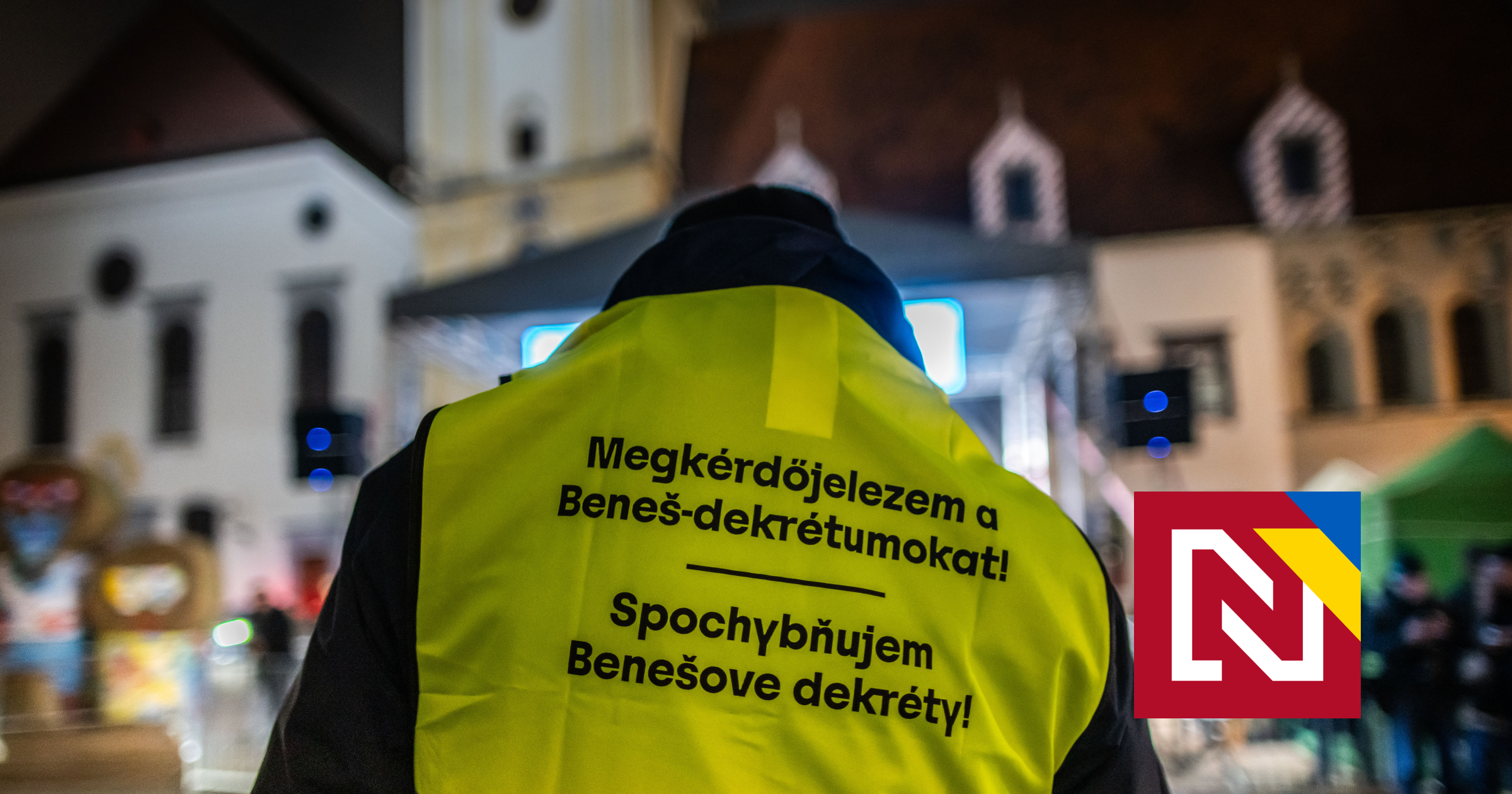
Police Reject Criminal Prosecution for Questioning Beneš Decrees, Exposing Flaws in Fico's Legal Amendment

Slovak police have refused to pursue criminal charges against someone for questioning the Beneš Decrees, revealing significant weaknesses in a controversial amendment to the Criminal Code championed by Prime Minister Robert Fico's government. The Beneš Decrees were post-World War II presidential decrees that expelled ethnic Germans and Hungarians from Czechoslovakia and confiscated their property. Legal expert János Fiala-Butora argued that the government's true intention was not to create a practically applicable law, suggesting the amendment was designed more for political symbolism than effective enforcement. The case highlights ongoing tensions over how Slovakia addresses historical issues related to its ethnic minorities and the practical limitations of legislation intended to criminalize the denial or questioning of certain historical events.

|
Domestic Politics

Slovak Parliament Speaker Confirms Receiving Proposal to Amend Criminal Codes

Peter Žiga, Speaker of the National Council, Slovakia's parliament, has confirmed receiving a proposal from Prosecutor General Maros Žilinka to amend the country's criminal codes. Žiga announced plans to consult with the Justice Ministry and the Constitutional and Legal Affairs Committee regarding the proposed changes. The confirmation comes amid ongoing debates over Slovakia's criminal justice system and follows recent controversial amendments to the criminal code that have drawn criticism from opposition parties and civil society groups.

|
Domestic Politics

Slovak President Meets with Prosecutor General to Discuss Anti-Corruption Efforts

Slovak President Peter Pellegrini met with Prosecutor General Maroš Žilinka to discuss the country's progress in fighting corruption. The two officials agreed on the importance of maintaining proper relationships between constitutional authorities. The meeting comes as Slovakia continues to face scrutiny over its anti-corruption efforts and the independence of its judicial institutions. Both the presidency and the prosecutor general's office play crucial roles in Slovakia's justice system, with the prosecutor general overseeing criminal prosecutions while the president serves as head of state with limited executive powers.

|
Domestic Politics

Slovak Officials Use Special Aircraft for Expensive Flights While Citizens Face Austerity

Slovak government officials are using special aircraft for costly flights while ordinary citizens face austere conditions, according to a new report. The practice highlights a stark contrast between the frugal lifestyle expected of citizens and the privileged travel arrangements available to high-ranking officials. The disparity has drawn criticism for what critics describe as hypocrisy in government spending priorities, with more expensive flights reportedly receiving better aircraft accommodations.

|
Domestic Politics

Slovak Government Prioritizes Settling Scores Over Policy, Says Political Analyst

A Slovak political analyst has criticized the ruling coalition for focusing on personal vendettas rather than governance priorities. Political scientist Radoslav Štefančík argued that while the world grapples with potential conflict involving Iran, Prime Minister Robert Fico's Smer party is consumed with "dealing with people who were watching over them," referring to the recent Operation Kajúcnik police investigation. Štefančík stated that since the current government coalition took power, settling these personal scores has been their "number one priority" rather than addressing economic consolidation, taxation, or living standards. The comments highlight ongoing tensions between Slovakia's ruling parties and law enforcement agencies, with the government appearing to prioritize confronting those who previously investigated or monitored their activities over addressing pressing domestic and international challenges.

|
Domestic Politics

Slovak Court Rejects Appeal to Reopen Murder Case by Repeat Offender Serving Life Sentence

A Slovak court has rejected a request to reopen proceedings in a murder case involving a repeat offender serving a life sentence for killing a non-bank financial institution employee. The convicted man, identified as Kavický, has an extensive criminal record with 13 prior convictions for murder and violent crimes. The court's decision means the original conviction and life sentence will stand, denying the defendant's attempt to have the case reconsidered through the legal procedure known as renewal of proceedings, which allows for the reopening of finalized criminal cases under specific circumstances.

|