Dávka - Your daily dose of Slovak news
Last refreshed: 05/07/2026 05:40 · 31 articles added
Stories are refreshed at 05:30, 10:30, 15:30, and 21:30 UTC.

Domestic Politics

View all2902 stories
Domestic Politics

Progressive Slovakia to Hold Press Conference on Interior Ministry Cleaning Contract Controversy

The opposition Progressive Slovakia party will hold a press conference focusing on allegations that Interior Minister Matúš Šutaj Eštok eliminated cleaning staff positions to award a contract to a private company. The briefing will be led by Jaroslav Spišiak, a member of parliament's Defense and Security Committee and the party's spokesperson on interior and police reform, along with Marek Lackovič, who sits on the Public Administration and Regional Development Committee. Progressive Slovakia is a liberal opposition party that has been critical of the current government's policies and transparency measures.

|
Domestic Politics

Slovak Party Hlas to Announce Regional Election Candidates Next Week

Hlas party leader Matúš Šutaj Eštok announced the party's preferred candidates for regional governor and mayor of Banská Bystrica ahead of the 2026 elections. The party's leadership is expected to formally decide on candidate support for three regions next week. Hlas, a center-left party that split from the ruling Smer-SD in 2020 and currently serves as a coalition partner in Slovakia's government, is positioning itself for the upcoming regional elections that will determine governors for Slovakia's eight self-governing regions.

|
Domestic Politics

Six Years After Operation Storm, No Judges Definitively Convicted

Six years have passed since Operation Storm, a major anti-corruption investigation targeting Slovak judges, yet no judge has received a final conviction, according to the head of the Judicial Council. The Judicial Council chairwoman highlighted the negative aspects of the case, which has failed to produce definitive legal outcomes despite the significant police operation. Operation Storm was launched in 2018 as a sweeping investigation into alleged corruption within Slovakia's judiciary, involving raids and arrests of multiple judges and court officials. The lack of final convictions raises questions about the effectiveness of the country's efforts to combat judicial corruption and restore public trust in the court system.

|
Domestic Politics

Police union opposes dismissal of 146 cleaning staff members

A police trade union has voiced opposition to plans to dismiss 146 cleaning workers from the Slovak police force. The union warned that the decision carries both practical and security implications beyond the immediate job losses. The dispute highlights tensions over staffing decisions within Slovakia's law enforcement apparatus, though specific details about the reasons for the proposed dismissals or the timeline for implementation were not immediately clear.

|
Domestic Politics

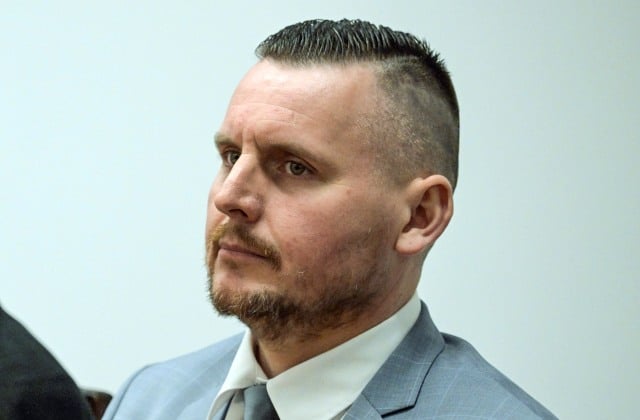
Court Convicts Daniel Bombic of Extremism Charges, Issues Suspended Sentence

The Specialized Criminal Court in Pezinok convicted Daniel Bombic on Tuesday of all extremist criminal charges brought against him in the indictment. The court, which handles serious crimes including terrorism and extremism cases, issued a suspended sentence for the multiple extremist offenses. The Specialized Criminal Court was established to deal with complex cases involving organized crime, corruption, and extremism, operating with enhanced security measures and specialized procedures.

|
Domestic Politics

Lawyer unaware of purchasing property from prosecutors-turned-developers

A prominent lawyer from Banská Bystrica unknowingly purchased non-residential property from a company owned by former prosecutors who became real estate developers. Matúš Boľoš, the lawyer involved in the Threema corruption investigation, believed he was buying from different individuals and was unaware of the connection to the Čižnár family. The case highlights the complex web of relationships between legal professionals and business interests in Slovakia's property market, particularly involving former high-ranking prosecutors who have moved into commercial real estate development after leaving their judicial positions.

|
Domestic Politics

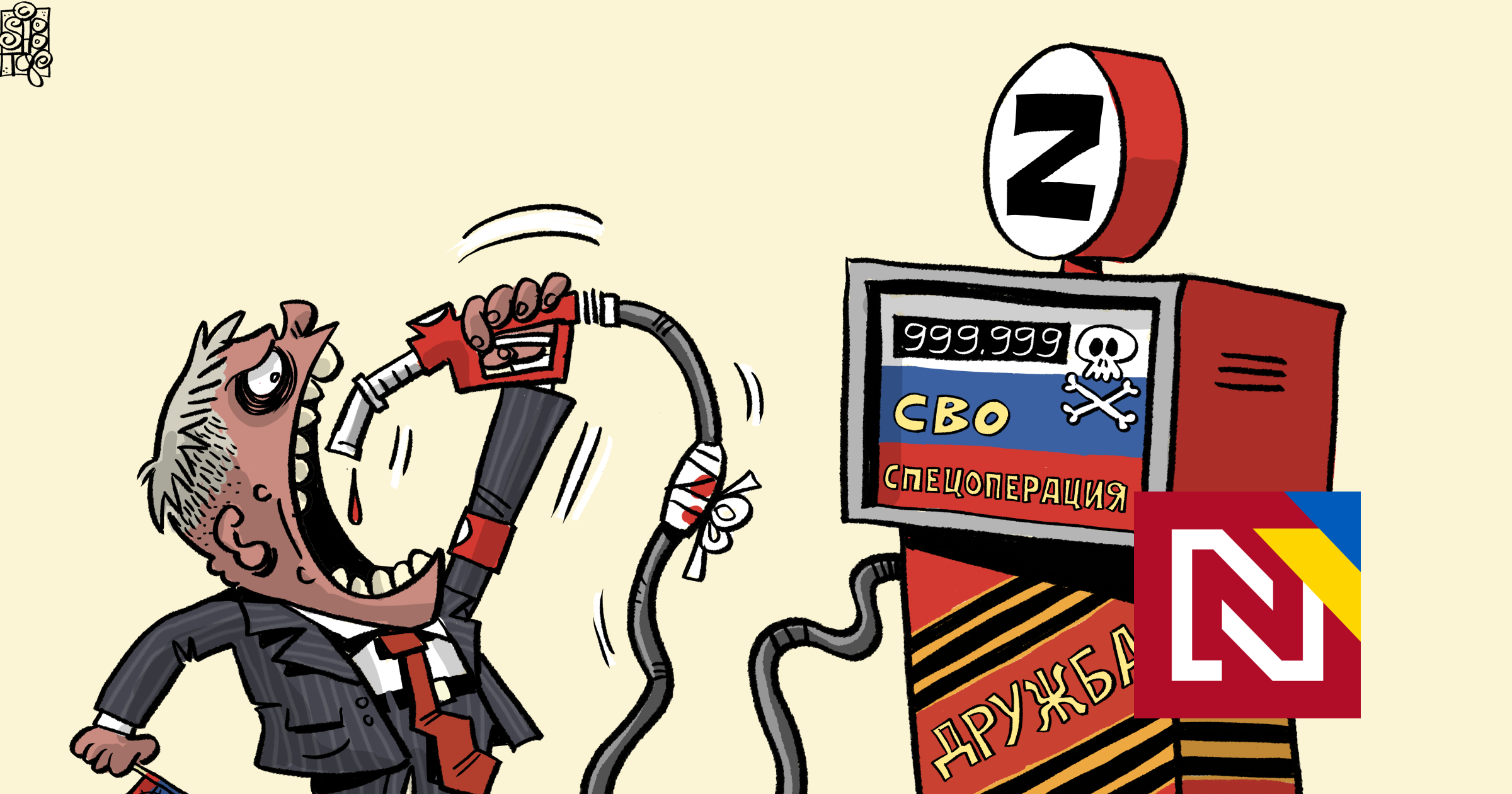
Slovakia Faces Fuel Supply Issues While Government Focuses on Hypothetical Terror Threats

Slovakia is experiencing problems with fuel supplies that have drawn public criticism, while the government appears to be prioritizing discussions about potential terrorist threats. The situation comes as officials consider declaring a state of emergency, following what critics describe as another policy inspiration borrowed from Hungary. Meanwhile, Health Ministry official Kotlár is reportedly preparing for celebrations, though the specific nature of these preparations remains unclear.

|
Domestic Politics

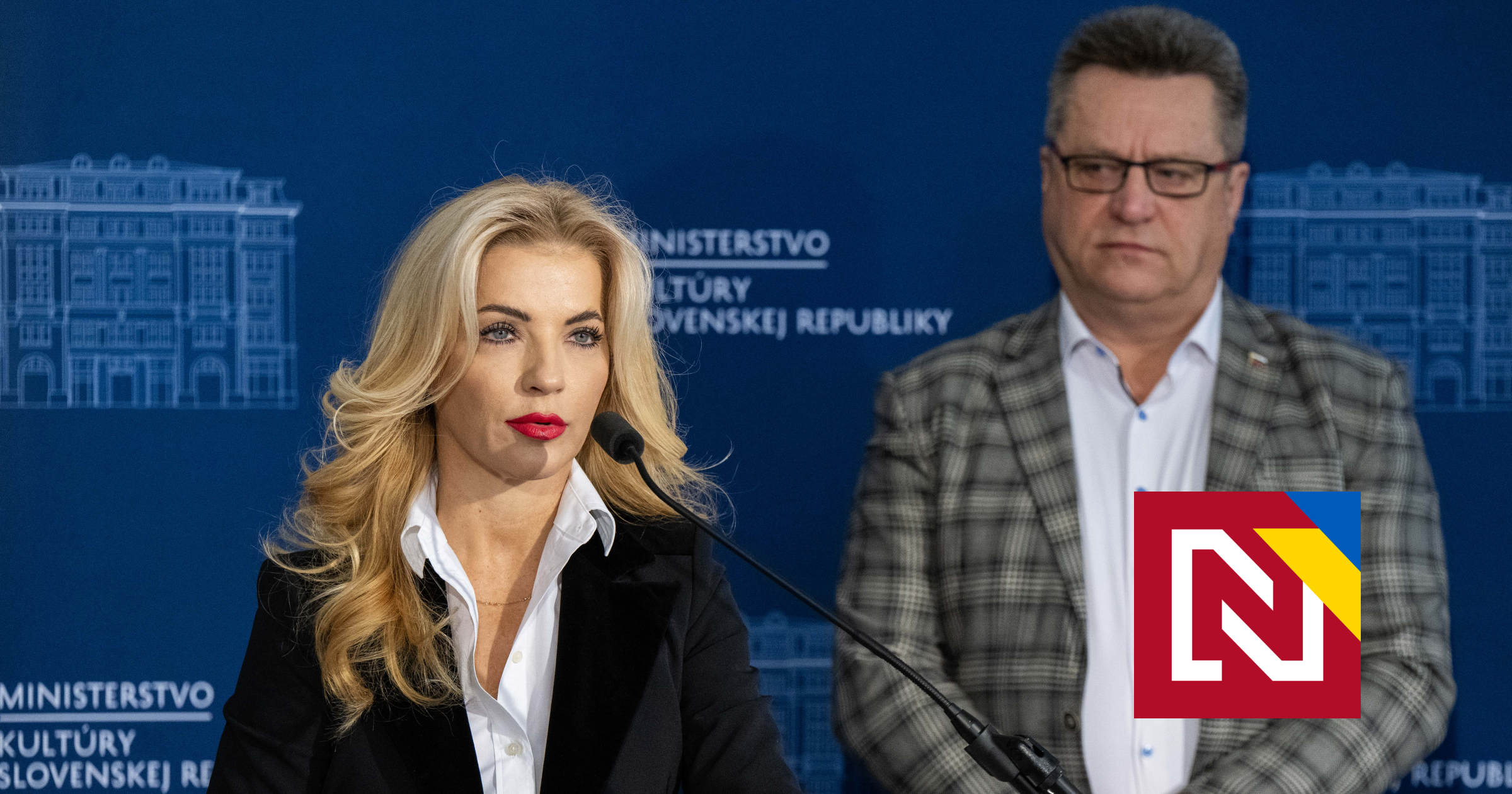
Culture Minister Blames Inherited Problems After Court Audit Criticism

Slovakia's Culture Minister Martina Šimkovičová dismissed criticism from the Supreme Audit Office (NKÚ), attributing identified problems to "non-systematic management and replacements" that she claims to have inherited from previous administrations. The minister's comments came in response to an audit report, with Deputy Prime Minister Veronika Kusá noting that the reconstruction project in question had been "closely monitored." The Supreme Audit Office serves as Slovakia's independent financial watchdog, conducting reviews of how public institutions manage state funds and implement government programs.

|
Domestic Politics

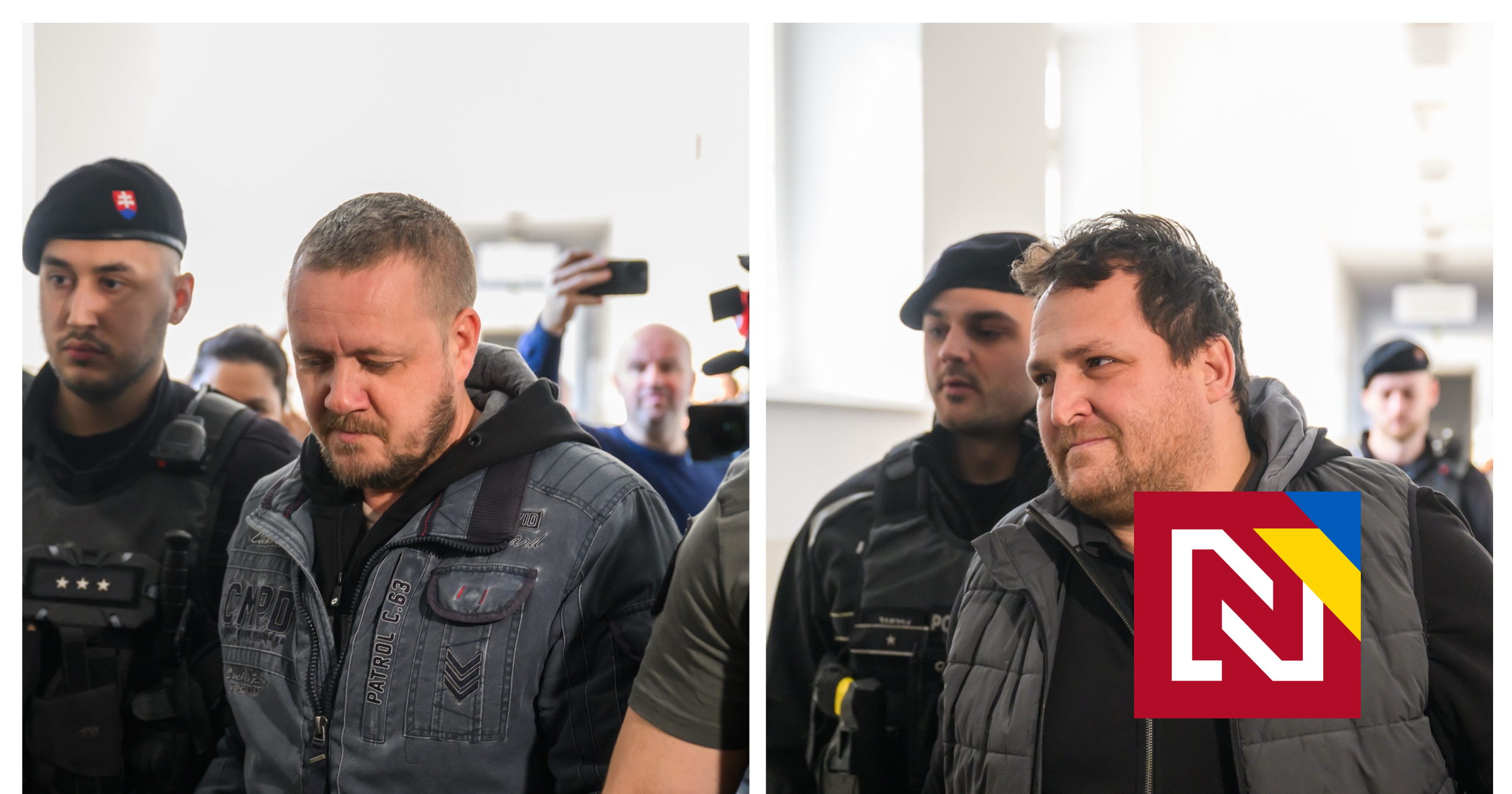
Fico Claims Knowledge of Who Killed Kuciak, But Kočner's Lawyer Refuses to Call Him as Witness

Slovak Prime Minister Robert Fico has claimed he knows who was responsible for the murder of investigative journalist Ján Kuciak, but the defense lawyer for businessman Marián Kočner has declined to call Fico as a witness in the ongoing trial. The lawyer's refusal appears to stem from concerns that Fico would be legally required to testify truthfully under oath. Kuciak and his fiancée Martina Kušnírová were murdered in February 2018, a case that triggered mass protests and ultimately led to the resignation of the previous government. Kočner, a controversial businessman, has been charged in connection with ordering the murders, which investigators believe were motivated by Kuciak's reporting on corruption and links between political figures and business interests.

|
Domestic Politics

Lawyer Rejects Opportunity to Call Prime Minister Fico as Witness in Kuciak Murder Case

The defense attorney for Marian Kočner declined to call Slovak Prime Minister Robert Fico as a witness in the murder case of investigative journalist Ján Kuciak. Fico had previously claimed he knew who killed Kuciak, but the lawyer chose not to summon him to testify, noting that as a witness Fico would be required to tell the truth under oath. Kočner is the alleged mastermind behind the 2018 murder of Kuciak, who was investigating connections between organized crime and political figures. The case has been one of Slovakia's most significant corruption and organized crime trials, stemming from the assassination that triggered massive protests and ultimately led to the fall of the previous government.

|
Domestic Politics

High School Students Take Slovak Language Essay Exam as Prosecutor's Office Investigates Voice Party Rebel

High school students across Slovakia completed their Slovak language essay examination today as part of the national graduation exam process. Meanwhile, the prosecutor's office has launched an investigation into a member of the Voice party who has broken ranks with the party leadership. Voice is a centrist political party that forms part of Slovakia's ruling coalition alongside the social-democratic Smer-SD and the nationalist Slovak National Party. The investigation into the party rebel comes amid ongoing political tensions within the governing coalition, though specific details of the case were not immediately available.

|
Domestic Politics

Slovak Police Inspection Accused of Double Standards in Prison Treatment Cases

Slovakia's police inspection office has been accused of applying inconsistent standards when investigating prison treatment cases involving different political figures. Recent rulings by the inspection reveal contrasting approaches to similar situations involving suspects from opposing political camps. The allegations highlight concerns about potential political bias in the country's law enforcement oversight mechanisms, where treatment deemed acceptable for some detainees is classified as criminal when applied to others.

|
Domestic Politics

Court Rejects Defense That Dany Kollár Was Merely Diving Enthusiast

A Slovak court rejected the defense argument that Dany Kollár was simply a diving enthusiast, indicating the court found this explanation unconvincing in whatever case was being heard. The reference to disagreement between 'Bombic' and Smer suggests the case may involve political or criminal proceedings where this defense strategy failed to persuade the judicial panel. However, the specific details of the charges, the identity of 'Bombic,' and the broader context of the legal proceedings remain unclear from the available information.

|
Domestic Politics

Court Rejects Defense Claims in Kollár Case

A Slovak court rejected defense arguments that Dany Kollár was merely a diving enthusiast, indicating disbelief in the explanation offered during legal proceedings. The case appears to involve disagreements between former police investigator Ján Bombic and Smer-SD, the ruling social-democratic party, suggesting the matter relates to ongoing corruption or criminal investigations. The court's decision represents a significant development in what appears to be a complex legal case involving political and law enforcement figures.

|
Domestic Politics

Slovak PM Fico Escalates Personal Attacks on Opposition Leader Šimečka

Slovak Prime Minister Robert Fico has intensified his personal attacks against opposition leader Michal Šimečka, using derogatory slurs and artificial intelligence tools in their ongoing political feud. The conflict between Fico's ruling Smer-SD party and Šimečka's Progressive Slovakia, currently the strongest opposition party, has devolved into a series of personal insults that began with disputes over fuel prices. The escalation comes despite Fico's Smer party simultaneously calling for civility and decency in parliamentary discourse, highlighting the contradictory nature of Slovak political rhetoric under the current government.

|
Domestic Politics

BOMBIC GUILTY ON ALL CHARGES OF EXTREMISM

A Slovak court found Daniel Bombic guilty of extremism and issued a suspended sentence, though the defendant remains in detention pending an appeal. The specialized court's decision came after Bombic defended himself for more than five hours during the proceedings. Despite the judge ordering his release following the verdict, the prosecutor immediately filed an appeal against the decision, keeping Bombic in custody. During his final statement to the court, Bombic used the opportunity to criticize the government of Prime Minister Robert Fico, which, to the shock of many, had shown support towards Bombic's actions. The case represents one of several extremism prosecutions handled by Slovakia's specialized courts, which deal with crimes related to organized crime, corruption, and extremist activities.

|
Domestic Politics

Slovak Opposition Warns of Job Losses as Government Cuts Social Enterprise Subsidies

The opposition Freedom and Solidarity party (SaS) has criticized planned government changes to social enterprise funding that could reduce subsidies by 600 euros per month for some employees. SaS warned the cuts represent a threat rather than support for these businesses, which provide employment opportunities for disadvantaged groups including people with disabilities, long-term unemployed, and other vulnerable populations. Social enterprises in Slovakia receive state subsidies to offset the higher costs of employing workers who face barriers to regular employment, making them an important part of the country's social inclusion policy.

|
Domestic Politics

Slovak Culture Ministry Faces Harsh Criticism in State Audit Report

Slovakia's Supreme Audit Office has released a highly critical report on the country's culture sector, prompting opposition politicians to accuse Culture Minister Martina Šimkovičová of ignoring institutional failures. The Supreme Audit Office, which monitors government spending and institutional performance, found significant problems in how cultural affairs are managed. Šimkovičová announced Tuesday that her ministry would implement the audit office's recommendations by June, though opposition parties argue she has failed to address underlying systemic issues. The controversy adds to ongoing political tensions over cultural policy in Slovakia, where the culture ministry has been a frequent target of criticism regarding its management practices and policy decisions.

|
Domestic Politics

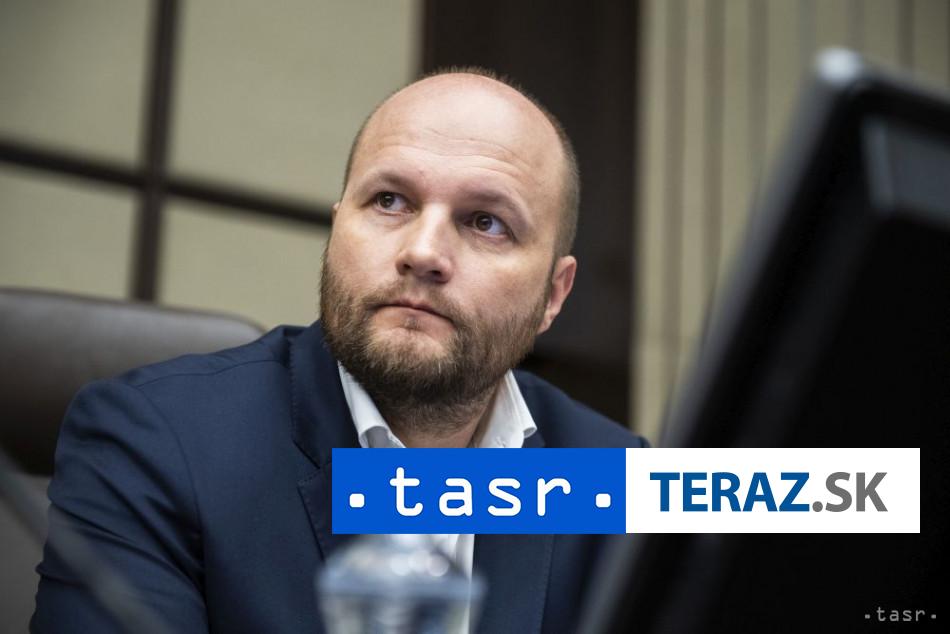
Slovak Opposition Criticizes Plan to Introduce State of Emergency Powers

Slovak opposition parties are criticizing the government's plan to legislatively introduce a new "state of threat" legal framework. Jaroslav Naď, leader of the extra-parliamentary Democrats party and former defense minister, warned that implementing this new emergency powers institute could seriously endanger the country's internal security. The Democrats are an opposition party that lost parliamentary representation in the 2023 elections, while Naď previously served as defense minister in the previous center-right government. The proposed legislation would grant authorities expanded powers during declared emergencies, though specific details of the measure have not been disclosed.

|
Domestic Politics

Slovak Culture Minister's Fund Changes Favor Bratislava Coffee Shop Run by Former TV Makeup Artist

Slovak Culture Minister Martina Šimkovičová has come under scrutiny after state cultural funds she reformed ended up supporting a Bratislava coffee shop established by a former Markíza television makeup artist. Two years ago, Šimkovičová, representing the Slovak National Party (SNS) in the ruling coalition, criticized the Arts Support Fund for allowing millions of euros to flow to Bratislava coffee drinkers who had no understanding of rural Slovakia's needs. Since taking office, she has restructured the 30-million-euro fund so that only her appointees make funding decisions. However, the money continues to flow to Bratislava projects, including the coffee shop venture. The case highlights tensions between the government's stated goal of redirecting cultural funding away from the capital toward rural areas and the actual distribution of resources under the minister's control.

|