Dávka - Your daily dose of Slovak news
Last refreshed: 04/07/2026 17:42 · 66 articles added
Stories are refreshed at 05:30, 10:30, 15:30, and 21:30 UTC.

Domestic Politics

View all2899 stories
Domestic Politics

Trnava Region Continues Providing Assistance for Subsidy Applications

The Trnava region continues to offer assistance services for citizens applying for subsidies and grants. Regional authorities recommend that applicants bring their own laptop computers equipped with card readers when seeking help with their applications. The service is designed to help residents navigate the application process for various funding opportunities available through regional programs.

|
Domestic Politics

Opposition Party Files Criminal Complaint Over Alleged Overpriced Tractor Purchase by Culture Ministry

The opposition Freedom and Solidarity (SaS) party filed a criminal complaint alleging the Culture Ministry overpaid for tractor purchases. The ministry bought five tractors for 430,000 euros, while SaS claims the same equipment could have been purchased for approximately 240,000 euros from the supplier directly. The party accused the ministry of misleading the public in its explanations of the procurement process and said the significant price difference warranted criminal investigation. SaS is a liberal opposition party that frequently challenges government spending practices and procurement decisions.

Domestic Politics

Opposition MP Says Smer Voters Are 'In Hell' and Calling for Help

Alojz Hlina, a member of parliament from the liberal opposition party SaS (Freedom and Solidarity), said voters of the ruling Smer-SD party are "in hell" and their vulgar social media posts represent calls for help. Hlina made the comments while discussing interactions with female Smer supporters who came to receive flowers on International Women's Day from Prime Minister Robert Fico, a traditional campaign gesture by the social-democratic party leader. The opposition lawmaker also predicted that former Prime Minister Igor Matovič has improved as a politician and that a future government including his party would be manageable, though he expects Matovič's parliamentary club to fracture again with most members remaining loyal to any future coalition.

|
Domestic Politics

Slovak Culture Minister Avoids Public Events Amid Criticism, Opposition Claims

Slovakia's Culture Minister Martina Šimkovičová has become increasingly selective about her public appearances, according to opposition politicians who claim she fears facing public criticism. The allegations come as opposition MP Maďarič suggests the minister is reluctant to appear at events where she might encounter hostile crowds. The criticism highlights growing tensions over cultural policy under the current government led by Robert Fico's Smer-SD party. Šimkovičová, who has been a controversial figure since taking office, has faced criticism for various cultural policy decisions and reforms to Slovak cultural institutions.

|
Domestic Politics

Christian Democratic Party Leader Says He's Proud to Exclude Smer from Cooperation

Milan Majerský, chairman of the Christian Democratic Movement (KDH), said he is proud that his party excluded Smer from potential cooperation. The KDH leader stated that when a proposal emerged at the party congress to refuse cooperation with Smer-SD, Hlas, and the Slovak National Party (SNS), the party had to accept it. Majerský also defended party colleague Karas, saying he never stated he wanted to govern with these parties. The Christian Democratic Movement is a center-right opposition party that has historically been part of various coalition governments. Smer-SD is Slovakia's ruling social-democratic party led by former Prime Minister Robert Fico, while Hlas is a center-left party that split from Smer in 2020, and SNS is a nationalist party. All three parties currently form Slovakia's governing coalition. The decision reflects the KDH's positioning as an opposition force and signals the party's strategic direction ahead of future electoral contests, emphasizing clear ideological boundaries between itself and the current ruling coalition.

|
Domestic Politics

Survey: Half of Slovaks Want Officials to Resign Over Corruption Scandals

Half of Slovak citizens want government officials to resign over recent corruption scandals including the "slayáda" and "haciendy" affairs, according to a new public opinion survey. The poll sought to measure public frustration with high-profile corruption cases that have dominated Slovak political discourse. The "slayáda" scandal refers to alleged improper meetings between government officials and oligarchs, while the "haciendy" case involves accusations of misuse of public funds for luxury properties. The survey results indicate significant public dissatisfaction with how the government has handled these corruption allegations, reflecting broader concerns about accountability and transparency in Slovak politics.

|
Domestic Politics

Slovak State to Investigate Democrats Party Over Alleged Ukraine Financing Claims

The Slovak state will investigate the Democrats party following allegations made by Zoroslav Kollár regarding potential Ukrainian financing. Kollár, whose background was not specified in available information, claimed earlier this year that former Defense Minister Jaroslav Naď served on the supervisory board of Ukrainian company UDS, suggesting this could indicate the Democrats party received funding from Ukraine. The allegations involve accusations of money laundering and financial connections to Kyiv. The Democrats is an opposition party in Slovakia's political landscape. The investigation represents the state's response to these serious allegations about foreign financing of a political party, which could have significant implications for Slovak domestic politics and party financing regulations.

|
Domestic Politics

Political Scientist Criticizes Government's Plan to End Postal Voting for Slovaks Abroad

Political scientist Žúborová, speaking from Berlin, criticized the Slovak government's plan to eliminate postal voting as a troubling symbol of the administration's intent to disconnect Slovaks living abroad from their homeland. The move would effectively disenfranchise hundreds of thousands of Slovak citizens residing overseas who currently rely on postal ballots to participate in elections. Slovakia's ruling coalition, led by the social-democratic Smer-SD party, has proposed ending the postal voting system that was introduced to enable emigrant Slovaks to vote in national elections. Critics argue this represents a deliberate attempt to reduce the political influence of the diaspora, which has historically voted for opposition parties in higher proportions than domestic voters.

|
Domestic Politics

Kočner Offers New Explanation for Threema Messages in Renewed Kuciak Murder Trial

Marian Kočner, a controversial businessman accused of ordering the murder of investigative journalist Ján Kuciak, presented a new explanation this week regarding encrypted Threema messages that prosecutors consider key evidence in the case. The renewed trial process for the 2018 murders of Kuciak and his fiancée Martina Kušnírová is expected to continue for the entire year. Kuciak, who investigated corruption and ties between politicians and businessmen, was shot dead along with Kušnírová at their home in February 2018 in a case that sparked massive protests and led to the resignation of Slovakia's prime minister and police chief at the time.

|
Domestic Politics

Analysis Reveals Discrepancies in Prime Minister Fico's Public Criminal Complaint Claims

An investigation by Slovak media outlet SME found inconsistencies in Prime Minister Robert Fico's public criminal complaint regarding the treatment of a key cooperating witness. The analysis examined the actual benefits received by the witness, identified as Makó, and found discrepancies with Fico's public statements about how prosecutions against the witness were handled. Fico, who leads the ruling Smer-SD party, has frequently criticized the justice system's handling of cooperating witnesses in major corruption cases. The findings add to ongoing political tensions between Fico's government and judicial institutions, as the prime minister has repeatedly challenged the credibility of witness testimony used in high-profile prosecutions involving former government officials.

|
Domestic Politics

Slovak Public Television Questions Need for Journalists Under New Leadership

Slovak public television RTVS appears to be questioning the role of journalists under the leadership of Igor Flašík, according to reports suggesting the broadcaster may be moving away from traditional journalism roles. The development raises concerns about editorial independence at Slovakia's public broadcaster, which has faced political pressure in recent years. RTVS serves as the country's main public television service, funded by taxpayers and traditionally expected to maintain editorial independence from political influence, though successive governments have sought to exert control over its programming and personnel decisions.

|
Domestic Politics

Police investigate officers' conduct toward minors in Soblahov incident

Slovak police are investigating the conduct of officers during an incident involving minors in Soblahov. The Internal Affairs Inspectorate has launched criminal proceedings against the officers involved, suspecting abuse of power by public officials. The inspectorate, which oversees police conduct and investigates misconduct allegations, initiated the criminal prosecution as part of its review of the officers' actions during the incident with the young people.

|
Domestic Politics

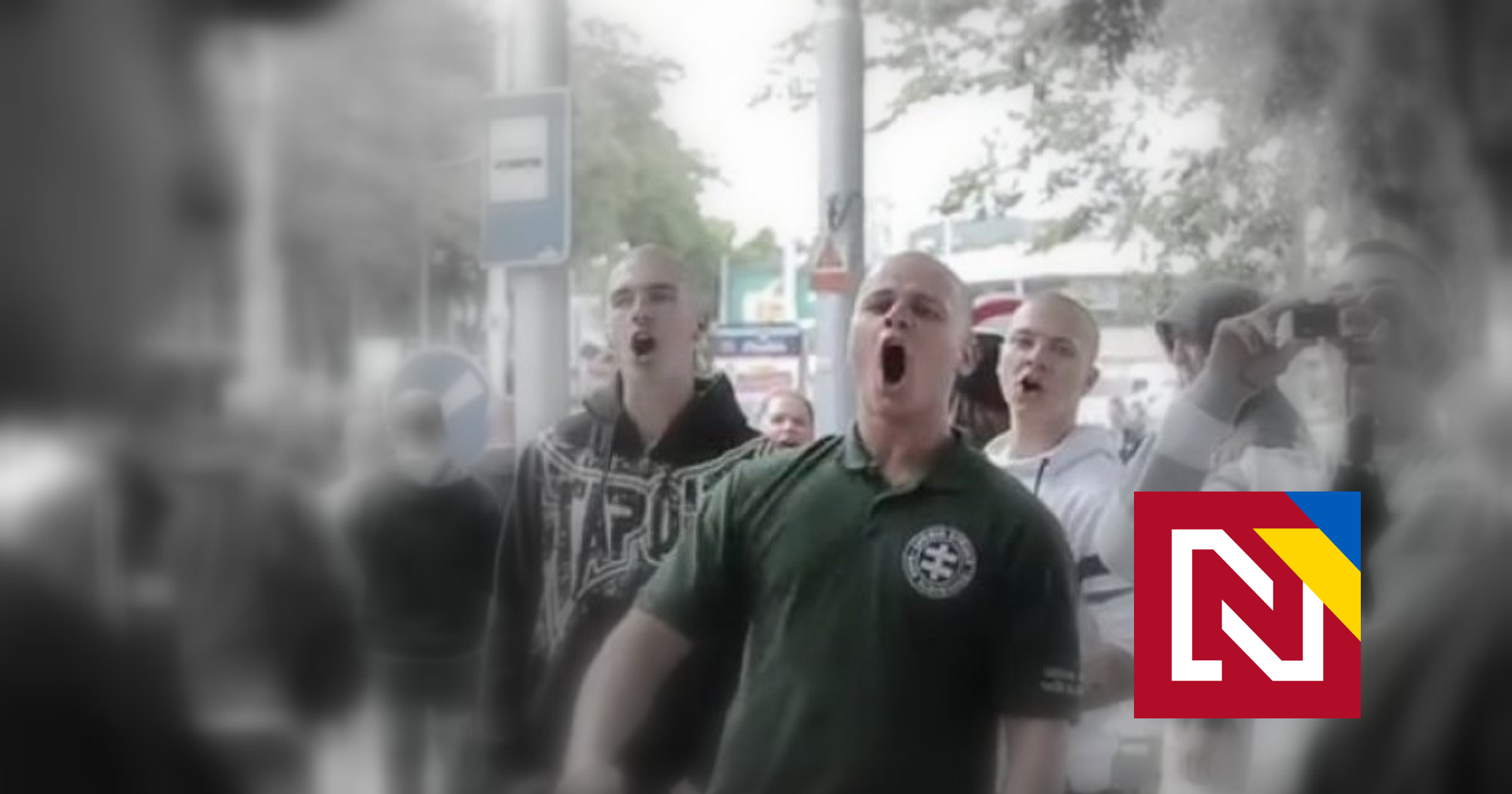
Smer Party Increasingly Normalizes Cooperation with Extremist Republic Party

Slovakia's ruling Smer-SD party has begun treating cooperation with the extremist Republic party as a natural development, according to political observers. The social-democratic Smer, led by Prime Minister Robert Fico, increasingly views coalition arrangements with extremist groups as routine political business. This normalization extends beyond rhetoric, with extremist parties now competing for public funding alongside mainstream political forces. The trend reflects a broader shift in Slovak politics where cooperation with radical elements is becoming more acceptable, potentially signaling a new dimension of fear-based campaigning that could reshape the country's political landscape.

|
Domestic Politics

Slovak Television and Radio Management Prepares Dismissal List Targeting Critics of Public Media Restructuring

Management at Slovak Television and Radio (STVR) has compiled a list of employees marked for dismissal, with critics of the recent dissolution of the former public broadcaster RTVS prominently featured among those targeted for termination. The management justifies the planned layoffs by citing an internal audit, though it has not publicly released the audit's findings or conclusions. The development comes amid ongoing controversy over the government's restructuring of Slovakia's public media landscape, which saw the elimination of Radio and Television of Slovakia (RTVS) and its replacement with the new STVR entity. The targeting of employees who opposed the media changes raises concerns about potential retaliation against staff members who criticized the government's overhaul of public broadcasting institutions.

|
Domestic Politics

Slovak Court Acquits Defendant Despite Murder Conspiracy Testimony from Crime Boss Černák

A Slovak court has acquitted a defendant in the Volzová murder case despite testimony from notorious crime boss Mikuláš Černák that implicated the accused in ordering the killing. The court rejected the version of events presented by prosecutors, finding the evidence insufficient for conviction. The case involves the murder of Volzová, though the court's reasoning for the acquittal suggests credibility issues with key witness testimony. Černák, one of Slovakia's most prominent organized crime figures, has been involved in multiple high-profile criminal cases and has previously provided testimony in exchange for cooperation agreements with prosecutors.

|
Domestic Politics

Slovak Police Warn Against Vigilante Groups Operating Without Legal Authority

Slovak police have raised concerns about volunteers taking law enforcement into their own hands on the streets, describing their activities as illegal substitution of state authority. These volunteer groups are operating in public spaces without weapons or official powers, but police warn their actions constitute unauthorized law enforcement. The phenomenon highlights tensions over public safety and the proper role of civilian volunteers in maintaining order, with authorities emphasizing that only licensed police officers have the legal authority to enforce laws and maintain public security.

|
Domestic Politics

Volunteers Take Street Patrol Role as Police Warn Against Illegal State Functions

Police officials have raised concerns about volunteers conducting unauthorized patrols in Slovak streets, describing their activities as illegal attempts to substitute state functions. The volunteers are operating without weapons or legal authority, yet are actively patrolling public areas and attempting to maintain order. This development highlights tensions over public safety responsibilities, as citizens take initiative in areas where they perceive gaps in official law enforcement presence. The police warning underscores the legal boundaries between citizen involvement and official state duties, as unauthorized patrols could potentially interfere with proper law enforcement procedures.

|
Domestic Politics

Constitutional Court Functionality is Priority, Says Justice Minister Raši

Slovakia's Justice Minister Tomáš Raši stated that ensuring the Constitutional Court remains functional is his top priority, while rejecting accusations of engaging in "political deals." The minister's comments come amid ongoing concerns about the court's operations and composition. The Constitutional Court, Slovakia's highest constitutional authority responsible for interpreting the constitution and reviewing the constitutionality of laws, has faced operational challenges that have raised questions about its ability to fulfill its crucial role in the country's judicial system.

|
Domestic Politics

Christian Democratic MP Jozef Hajko considering leaving parliament

Jozef Hajko, a member of parliament for the Christian Democratic Movement (KDH), has acknowledged he is considering leaving parliament. Hajko has already discussed his potential departure with Milan Majerský, the party's chairman. The MP indicated that while Christian Democrats want to address Slovakia's real problems, there are differences of opinion within the party about how to approach these issues. KDH is a conservative opposition party that has been represented in Slovakia's National Council since the country's independence, traditionally focusing on Christian values and social conservative policies.

|
Domestic Politics

Slovak Cities Union Warns Against Income Tax Exemption for Working Mothers

The Union of Slovak Cities has issued a warning against a proposed income tax exemption for working mothers that the ruling Hlas-SD party plans to introduce before the end of the current parliamentary term. Hlas-SD, a social-democratic party that forms part of Slovakia's governing coalition alongside Smer-SD and the Slovak National Party, wants to eliminate income tax obligations for employed mothers. The cities union expressed concerns about the potential fiscal impact of such a measure, though specific details about their objections were not elaborated. The proposal represents part of Hlas-SD's broader social policy agenda as the current government seeks to implement key initiatives before the next parliamentary elections.

|