Dávka - Your daily dose of Slovak news
Last refreshed: 04/07/2026 17:42 · 66 articles added
Stories are refreshed at 05:30, 10:30, 15:30, and 21:30 UTC.

Domestic Politics

View all2899 stories
Domestic Politics

Slovak Court Rejects Detention for Two Police Officers in Procedural Error Case

Two Slovak police officers, Ján Čurilla and Pavol Ďurka, will remain free after the Regional Court in Bratislava rejected a prosecutor's appeal and upheld a lower court's decision to release them. Judge Tomáš Hajduk ruled on March 6 that the prosecutor had filed the detention request with the wrong court, making the procedural error alone sufficient grounds for release. The case involves two investigators who are facing criminal charges, though the judge also expressed doubts about the validity of the accusations against both officers. The procedural mishap highlights systemic issues within Slovakia's criminal justice system, where proper court jurisdiction is critical for detention orders in criminal cases.

|
Domestic Politics

Slovak Labor Ministry Awarded Millions to Party-Affiliated NGOs Founded Days Before Grant Announcement

Slovakia's Ministry of Labor awarded millions of euros in grants to non-governmental organizations with close ties to the ruling Hlas party, some of which were established just days before the grant opportunity was announced. The ministry, controlled by Hlas, distributed the funding to NGOs run by party functionaries, raising questions about the transparency and fairness of the grant allocation process. Hlas is a center-left party that split from the dominant Smer-SD party in 2020 and currently serves as a junior partner in Slovakia's ruling coalition government led by Prime Minister Robert Fico.

|
Domestic Politics

Parliamentary Speaker Danko Questions Ruling Party's Electoral Prospects in 2027

Andrej Danko, Speaker of Slovakia's National Council and leader of the Slovak National Party (SNS), has suggested that the ruling Smer-SD party may struggle in the 2027 parliamentary elections. Danko indicated that Smer, led by Prime Minister Robert Fico, has abandoned the political strengths that brought it success and has become increasingly focused on internal matters and benefiting allied individuals rather than broader governance. The comments from Danko, whose party is part of the current ruling coalition alongside Smer-SD and Hlas-SD, highlight potential tensions within the government alliance. Smer-SD returned to power in 2023 after winning parliamentary elections, but Danko's assessment suggests the social-democratic party may have lost some of the political focus that previously made it Slovakia's dominant political force.

|
Domestic Politics

Slovak Parliamentary Leader Announces Follow-up Action on Public Television Issues

Michal Šimečka, leader of the opposition Progressive Slovakia party and deputy speaker of parliament, announced plans for a "follow-up" regarding what he characterized as misconduct at STVR, Slovakia's public television broadcaster. The announcement comes amid ongoing political tensions over the management and direction of the country's public media. Separately, Richard Raši is scheduled to meet with Marian Kotleba's People's Party Our Slovakia leader Milan Uhrík at Javorina. Progressive Slovakia has been a vocal critic of the current government's approach to public media, arguing that political interference threatens editorial independence at the state broadcaster.

|
Domestic Politics

Investment Minister Appoints Man Linked to Tax Fraud Case to Head State Company

Slovakia's Investment Minister Samuel Migaľ has appointed a businessman facing tax fraud allegations to lead a new state-owned company worth 30 million euros. The minister entrusted Bučko with control of Mirri Developments, despite his previous company facing an administrative court ruling that classified his family's land transactions as tax fraud. The administrative court determined that Bučko's earlier business operations involved fraudulent attempts to reclaim value-added tax from the state. The appointment raises questions about the government's vetting procedures for senior positions in state-controlled enterprises, particularly given the substantial financial resources involved in the new company.

|
Domestic Politics

Investment Ministry Awards €30 Million Contract to Businessman Facing Tax Fraud Ruling

Slovakia's Investment Ministry has awarded a €30 million contract to run the state company Mirri Developments to businessman Bučko, despite his previous company facing an administrative court ruling that characterized his family's land transactions as tax fraud. The administrative court determined that Bučko's knowledge of participation in tax fraud was "unquestionable" when evaluating the property deals involving his family members. The contract award comes from Investment Minister Richard Raši's ministry, raising questions about the government's vetting procedures for major state contracts. The case highlights ongoing concerns about transparency in public procurement processes, particularly when contractors have faced adverse court findings regarding their business practices.

|
Domestic Politics

Eastern Slovak Businessman Keeps Democrats Afloat as Party Reveals Major Donor List

The Democrats party has disclosed its list of major financial contributors, revealing that an eastern Slovak businessman has emerged as their largest donor. Party leader Jaroslav Naď presented the donor list that helps fund the party's "Deep Plowing" campaign activities. However, the businessman who provided the most substantial financial support to the Democrats has indicated he no longer intends to pursue political candidacy himself. The Democrats, an opposition party formed by former defense minister Jaroslav Naď after leaving the centrist For the People party, relies heavily on private donations to maintain its political operations and campaign activities.

|
Domestic Politics

Slovak Prime Minister Fico Considers Stepping Down as Smer Party Leader

Slovak Prime Minister Robert Fico is reportedly considering stepping down as leader of Smer-SD, the ruling social-democratic party that has dominated Slovak politics for over two decades. The speculation about Fico's potential departure from the party leadership has prompted polling of Smer voters to gauge their reactions. Fico has led Smer since its founding in 1999 and has served as prime minister in multiple governments, making him one of Slovakia's most influential political figures. Any change in Smer's leadership would represent a significant shift in Slovak politics, given the party's central role in the country's political landscape and its current position heading the governing coalition.

|
Domestic Politics

Gašpar Emerges as Potential Successor as Danko Claims Fico Previously Promised Constitutional Court Role

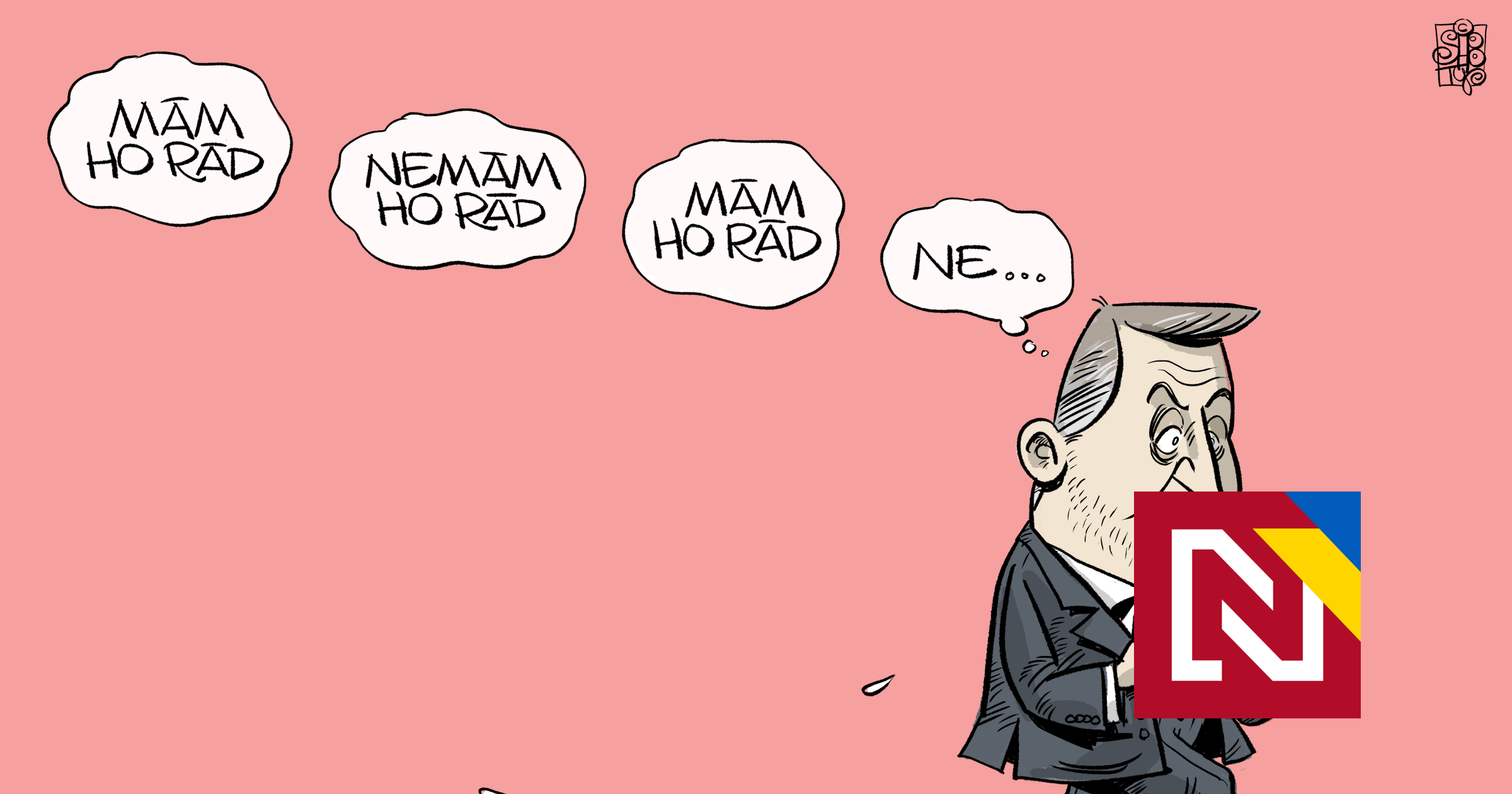
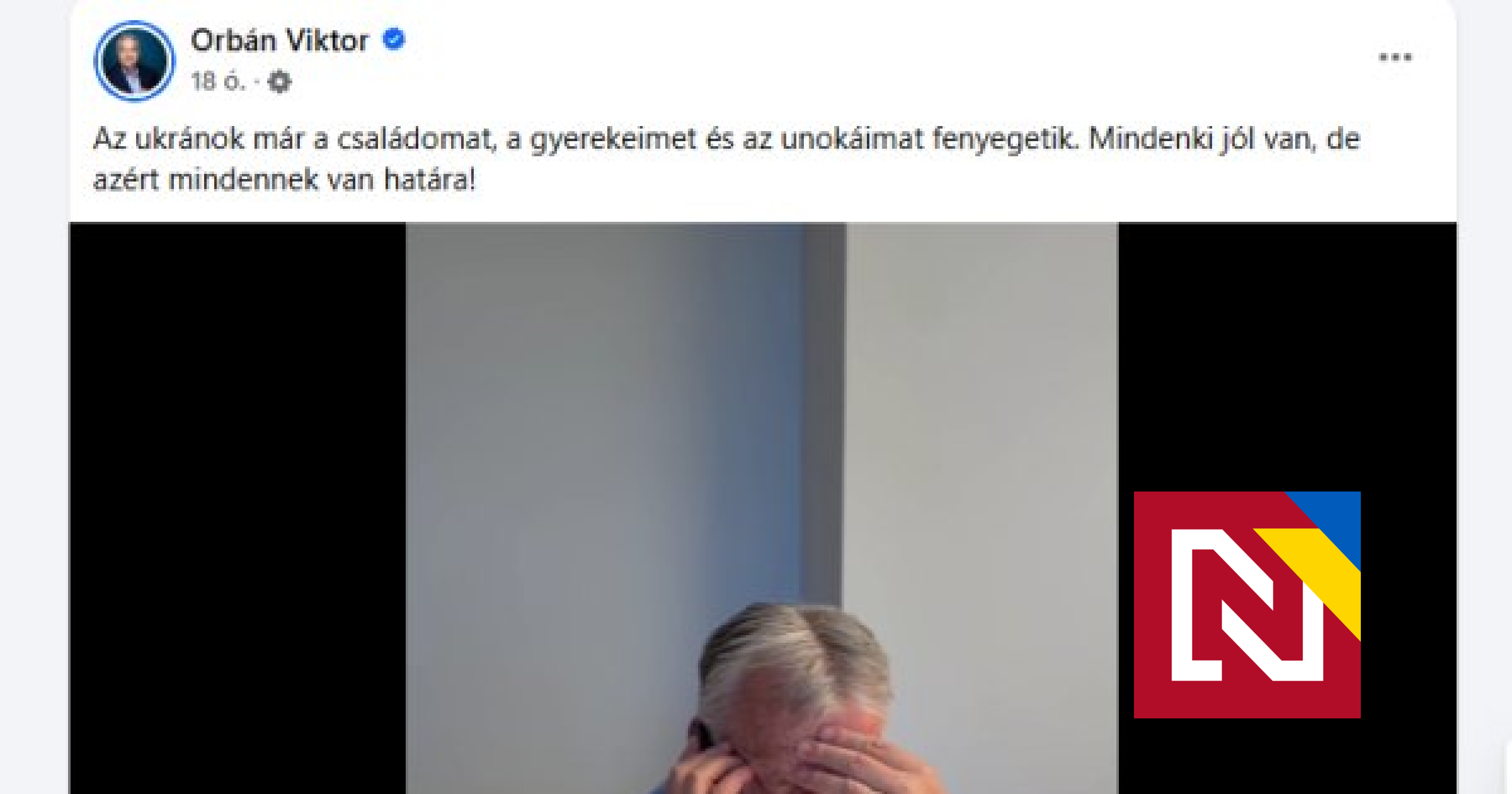
Interior Minister Matúš Šutaj Eštok has emerged as a potential successor to Prime Minister Robert Fico, according to recent political discussions, while Slovak National Party leader Andrej Danko claims Fico had previously promised months ago to transition to the Constitutional Court. The 63-year-old Fico, who has grandchildren, faces speculation about his political future as coalition partners and voters reportedly prefer alternative leadership candidates. Danko's revelation suggests Fico may have been considering stepping down from his role as head of government to take a judicial position, though no formal announcement has been made about such a transition.

|
Domestic Politics

Slovak Parliamentary Speaker Distances Himself from Government Rhetoric on Social Workers

Andrej Danko, Speaker of Slovakia's parliament and leader of the Slovak National Party, has begun distancing himself from controversial government positions, particularly regarding statements about social workers that marked a departure from more moderate stances of the past. The development suggests growing tensions within Slovakia's ruling coalition. Meanwhile, advocacy efforts on behalf of Russian oligarchs have temporarily subsided, while Slovakia achieved a notable diplomatic success during recent proceedings in Prague.

|
Domestic Politics

Weekly News Summary: Political Developments and International Relations

A weekly overview of Slovak political developments highlights several significant stories. Deputy Prime Minister Andrej Danko appears to have reached a breaking point on an undisclosed issue, suggesting internal tensions within the ruling coalition. Meanwhile, efforts supporting Russian oligarchs have temporarily ceased, indicating a shift in Slovakia's approach to sanctions-related matters. On the international front, Slovakia achieved a notable diplomatic success during events in Prague, marking a positive development in the country's foreign relations.

|
Domestic Politics

Slovakia's Energy Aid Program Faces Distribution Problems as Recipients Report Delays

Slovak citizens seeking government energy assistance are encountering difficulties receiving promised payments, with some postal workers reportedly telling applicants they arrived too late and would not receive funds. The Ministry of Labor, Social Affairs and Family, which oversees the energy aid program designed to help households cope with high utility costs, has stated it is not considering direct bank transfers to recipients' accounts. The distribution problems highlight challenges in Slovakia's effort to provide financial relief to citizens struggling with elevated energy prices that have affected households across Europe since the energy crisis began.

|
Domestic Politics

Slovak Coalition Partners Clash Over Russian Sanctions as Danko Criticizes Fico

A significant rift has emerged within Slovakia's ruling coalition as parliamentary speaker Andrej Danko publicly criticized Prime Minister Robert Fico's administration, with Interior Minister Matúš Šutaj Eštok joining the dispute. The conflict centers on efforts to remove Russian oligarchs from European Union sanctions lists. Danko, leader of the Slovak National Party (SNS), and Šutaj Eštok, representing Voice-SD (Hlas-SD), have criticized attempts to strike Russian oligarchs from the sanctions regime imposed following Russia's invasion of Ukraine. The dispute highlights growing tensions within the three-party coalition government, which consists of Fico's Direction-Social Democracy (Smer-SD), Danko's SNS, and Peter Pellegrini's Voice-SD. The disagreement over sanctions policy represents a rare public break in coalition unity and underscores differing approaches to Slovakia's relationship with Russia among the ruling parties.

|
Domestic Politics

Hlas-SD Leader Distances Himself from Coalition Partner's Attacks on Prime Minister

Matúš Šutaj Eštok, leader of the Hlas-SD party, has distanced himself from verbal attacks made by Andrej Danko against Prime Minister Robert Fico, stating that voters do not want to see parliamentarians "fighting like dogs." Šutaj Eštok guaranteed that all Hlas-SD parliamentarians will support the government in any confidence vote. The tensions highlight rifts within Slovakia's ruling coalition, which consists of Fico's Smer-SD party as the dominant partner, along with Hlas-SD and Danko's Slovak National Party (SNS). Hlas-SD is a center-left party that split from Smer-SD in 2020, while SNS represents nationalist positions in the coalition government.

|
Domestic Politics

Slovak Parliament Speaker and Opposition Leader Unite in Criticism of Prime Minister Fico

Parliament Speaker Andrej Danko and opposition leader Michal Šimečka have found common ground in their criticism of Prime Minister Robert Fico, marking an unusual moment of agreement between the ruling coalition and opposition. Danko, who leads the Slovak National Party (SNS), accused Fico of "gutting" his coalition partners and claimed that President Peter Pellegrini has abandoned the Hlas party, his former political home. The criticism from within the ruling coalition highlights growing tensions between Fico's dominant Smer-SD party and its junior partners. Danko's public complaints suggest discord within the four-party coalition government, which includes Smer-SD, Hlas, SNS, and the far-right Republic party, while Šimečka leads the liberal Progressive Slovakia party, the largest opposition force in parliament.

|
Domestic Politics

Evidence phase in Bonaparte corruption case nears completion

The evidence phase in the Bonaparte corruption case may soon conclude, according to developments in the high-profile investigation. The completion of evidence gathering had been anticipated as early as December 2023, but the process has extended into the new year. The Bonaparte case involves allegations of corruption and organized crime that have been under investigation by Slovak authorities, representing one of several major anti-corruption prosecutions currently working through the country's judicial system.

|
Domestic Politics

Slovak Police to Create Specialized Unit for European Public Prosecutor's Office Cases

Slovakia's police force will establish a new centralized unit dedicated to handling criminal cases that fall under the jurisdiction of the European Public Prosecutor's Office. The decision stems from the need for highly specialized officers to manage these complex cases. The European Public Prosecutor's Office, established in 2017, has jurisdiction over crimes against the EU's financial interests, including fraud involving EU funds, corruption, and money laundering when they affect the EU budget. Slovak authorities recognized that investigating such cases requires officers with specific expertise in European law and cross-border criminal procedures, prompting the creation of this dedicated police unit.

|
Domestic Politics

Communication between Slovak politicians and murder suspect Alena Zsuzsová reveals compromising messages

Compromising communications have emerged between Slovak politicians and Alena Zsuzsová, a key suspect in high-profile murder cases. Martin Glváč, a member of Smer-SD, the ruling social-democratic party, defended his exchanges with Zsuzsová as normal voter communication, claiming "that communication is not problematic, this is how I normally communicate with a voter who expects this from us." However, one of his messages to Zsuzsová became widely mocked, reading "You are divinely beautiful and you deserve pampering and care!" The revelations highlight the extent of Zsuzsová's connections within Slovak political circles, raising questions about the relationship between organized crime figures and elected officials in the country.

|
Domestic Politics

Healthcare Reform Debate Highlights Need for Opposition Unity, Says Analyst

A political commentator has argued that the principles of socialized medicine make opposition unity inevitable in Slovakia's current political landscape. The analysis suggests that without external solutions - described metaphorically as waiting for a "magician" - political parties must work together to address what are characterized as problematic policies. The commentary appears to be addressing ongoing debates over Slovakia's healthcare system and the role of opposition parties in shaping medical policy reforms.

|
Domestic Politics

Slovakia's Healthcare Crisis Demands Opposition Unity, Political Analyst Says

A Slovak political commentator has argued that the principles of socialized medicine make it inevitable for opposition parties to unite in addressing the country's healthcare challenges. The analysis suggests that Slovakia's current medical system problems cannot be resolved through quick fixes or political magic, requiring instead coordinated opposition efforts to implement meaningful reforms. Slovakia operates a universal healthcare system funded through mandatory insurance contributions, but the sector has faced persistent challenges including staff shortages, underfunding, and infrastructure problems that have become a recurring theme in political debates.

|