Dávka - Your daily dose of Slovak news
Last refreshed: 04/07/2026 05:38 · 33 articles added
Stories are refreshed at 05:30, 10:30, 15:30, and 21:30 UTC.

Domestic Politics

View all2890 stories
Domestic Politics

Slovak Opposition Criticizes Government's Fuel Price Solution as Out of Touch with Reality

Slovakia's opposition parties have criticized the government for failing to find a systematic solution to fuel price issues, calling the proposed 400-euro limit per single fuel purchase disconnected from reality. The opposition argues that the current government, led by the ruling coalition, has not addressed the underlying problems affecting fuel costs for Slovak consumers. The criticism reflects broader concerns about the government's approach to managing economic pressures on households, particularly regarding transportation costs that affect daily life for ordinary citizens.

|
Domestic Politics

Slovak Parliament Reverses Decision to Abolish Whistleblower Protection Office

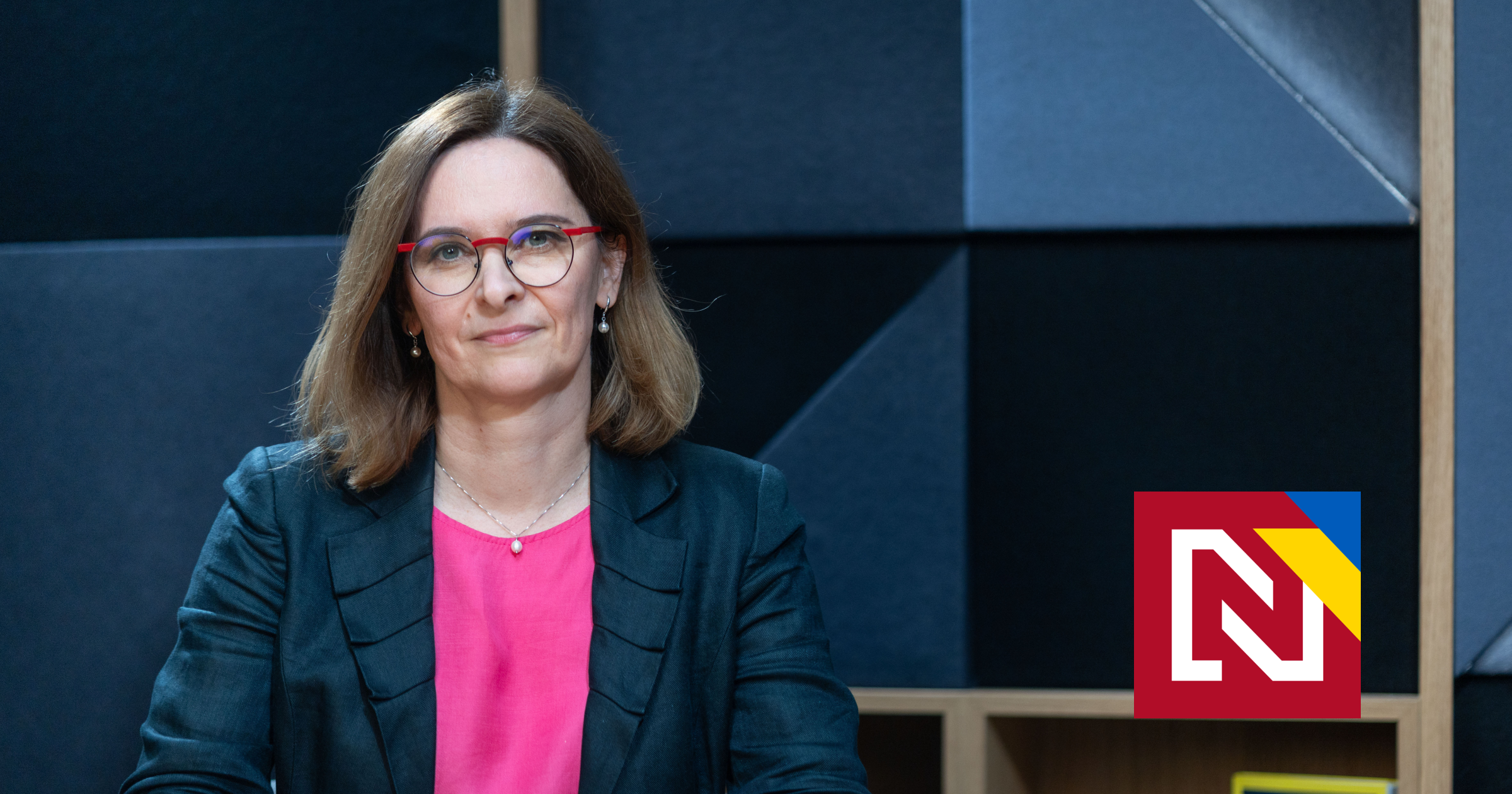
Slovakia's parliament reversed a government decision to abolish the Office for the Protection of Whistleblowers, with the legislature voting this week to cancel the law that would have eliminated the corruption-fighting institution. The original abolition initiative came from Interior Minister Matúš Šutaj Eštok of Hlas, a party in the ruling coalition led by Prime Minister Robert Fico. Zuzana Dlugošová, head of the whistleblower protection office, described the attempted closure as a wasteful use of energy, time and money, noting that 2025 has been a record year for corruption reports. The Office for the Protection of Whistleblowers was established to encourage and protect individuals who report corruption and other wrongdoing in both public and private sectors. The reversal represents a rare parliamentary rebuke of a government initiative and highlights ongoing tensions over anti-corruption efforts in Slovakia, where the ruling Smer-SD and Hlas parties have faced criticism for weakening oversight institutions.

|
Domestic Politics

Slovak Government Increases Ministerial Allowances Despite Austerity Measures

The Slovak government has automatically increased flat-rate allowances for the Prime Minister and ministers, drawing criticism that contradicts the administration's broader austerity agenda. The salary increases have been characterized by critics as undermining the government's consolidation efforts, which have included various cost-cutting measures affecting other areas of public spending. Prime Minister Robert Fico's administration has implemented what it calls fiscal consolidation policies, but the automatic pay increases for top officials have sparked accusations of hypocrisy. The development highlights tensions between the government's stated commitment to reducing public expenditure and its willingness to maintain generous compensation for senior political positions.

|
Domestic Politics

Slovak municipalities oppose public administration reform as coalition shows lukewarm support

Small municipalities in Slovakia are rebelling against proposed public administration reforms, while the ruling coalition maintains a cautious stance toward the initiative. Slovakia ranks among the most fragmented countries in Europe in terms of municipal structure, with thousands of small local governments creating administrative inefficiencies. The reform proposals aim to address this fragmentation by consolidating services and potentially merging smaller administrative units, but face resistance from local officials who fear losing autonomy and resources. The coalition government's tepid response suggests uncertainty about how to proceed with restructuring a system that has remained largely unchanged since the country's independence, despite calls from experts for modernization to improve efficiency and reduce costs.

|
Domestic Politics

Slovak Labour Ministry Awards Millions in Social Innovation Grants to Politicians' Organizations

The Slovak Labour Ministry has allocated millions of euros in social innovation grants to organizations linked to politicians from the ruling Hlas party, despite these groups lacking previous experience in social innovation projects. The ministry, led by Erik Tomáš of Hlas, distributed funds from a 10-million-euro program to organizations that received funding for activities including cooking goulash and organizing children's celebrations, according to critics who question whether these qualify as genuine social innovation projects. Experts from the ministry's advisory committee have warned that political favoritism in grant allocation could damage the reputation of legitimate social innovation initiatives in Slovakia. The controversy represents another funding scandal for Hlas, the social-democratic party that is part of Slovakia's ruling coalition, following previous disputes over grant distributions including the so-called "slay grants" controversy. The case highlights concerns about the politicization of public funding in Slovakia, where opposition critics and civil society groups have increasingly questioned whether grant programs are being used to benefit political allies rather than serve their intended public purposes.

|
Domestic Politics

Electoral Quota Debate Returns as Smer Denies Planning Changes

A debate over raising Slovakia's electoral quota has resurfaced, prompting questions about potential changes to voting requirements. Smer-SD, the ruling social-democratic party, has denied that it is preparing any plans related to electoral quotas. The discussion comes amid ongoing political tensions over electoral processes and voting procedures in the country.

|
Domestic Politics

Slovakia's Supreme Court Accepts Arguments in Major Košice County Corruption Case

Slovakia's Supreme Court has accepted judicial arguments in a major corruption case involving Košice County, which features a 100-page indictment covering eight separate criminal charges and includes testimony from significant witnesses. The Supreme Court, the country's highest judicial authority, endorsed the reasoning presented by lower court judges in the high-profile case. The Košice County case represents one of the most complex corruption prosecutions in eastern Slovakia, involving multiple criminal acts detailed in an extensive indictment that suggests widespread misconduct within the regional government structure.

|
Domestic Politics

Traffic Police Officers Accused of Waiving Fines Face Court Hearing

Traffic police officers accused of improperly waiving fines appeared in court where wiretapped recordings were played as evidence. The case involves allegations that the officers dismissed traffic violations inappropriately, potentially as part of a corruption scheme. Defense attorneys argued that the recorded conversations do not prove wrongdoing by their clients. The court proceedings represent part of Slovakia's ongoing efforts to address corruption within law enforcement agencies, where traffic police have previously faced scrutiny over the selective enforcement of traffic laws and the handling of fines.

|
Domestic Politics

Expelled MP Claims His 2 Million Euro Wealth is Legal as He Accuses Police of Targeted Investigation

Ján Ferenčák, expelled today from the Hlas party, claimed his estimated 2 million euro wealth is entirely legal and properly declared in tax filings and asset declarations. The member of parliament accused Slovakia's police inspection of orchestrating a targeted criminal investigation against him, alleging the same operative involved in his case also handled proceedings against the Čurillos, a family previously linked to organized crime cases. Ferenčák warned that Rudolf Huliak, leader of a splinter group that broke from the Slovak National Party, now wields power equivalent to the prime minister because his three parliamentary votes determine what legislation passes or fails. Hlas, a center-left party that forms part of Slovakia's ruling coalition alongside Smer-SD and the Slovak National Party, removed Ferenčák amid the ongoing investigation that resulted in authorities seizing land belonging to his family business.

|
Domestic Politics

Former Police Chief Claims Interior Minister Ordered His Criminalization During Mountain Meeting

Former police chief Stefan Ferenčák has alleged that Interior Minister Matúš Šutaj Eštok ordered his criminalization during a meeting in the Tatra Mountains. Ferenčák's claims contradict recent denials by the minister, who stated he was not involved in the case. The allegations add to ongoing tensions between Slovakia's political leadership and law enforcement officials, as the ruling Smer-SD party government faces scrutiny over its handling of police operations and investigations.

|
Domestic Politics

Opposition Party Accuses Slovak Government of Unconstitutional Pay Raises

The Christian Democratic Movement (KDH), a Slovak opposition party, has accused the government of raising its own salaries in violation of the constitution. The party argues that legal rules must apply equally to all citizens and officials, demanding the government rectify what it considers an unconstitutional decision. KDH, a center-right Christian democratic party that has been part of Slovakia's political landscape since the 1990s, is challenging the legitimacy of the salary increases approved by the current administration.

|
Domestic Politics

Opposition Party Claims Government Salary Increases Violate Constitution

The Christian Democratic Movement (KDH), an opposition party in Slovakia, has accused the government of raising its salaries in violation of the country's constitution. The party is calling on the government to either modify or cancel the resolution that approved the salary increases. The KDH's challenge highlights ongoing tensions between Slovakia's ruling coalition and opposition parties over government spending and constitutional compliance.

|
Domestic Politics

Slovak MP Ferenčák Views Expulsion from Hlas Party as Persecution

Slovak Member of Parliament Ferenčák has described his expulsion from the Hlas party as persecution. The lawmaker stated he will continue to support legislation that benefits citizens despite being removed from the party. Hlas-SD is a center-left party that formed part of Slovakia's ruling coalition following the 2023 parliamentary elections alongside Robert Fico's Smer-SD party. The expulsion reduces the governing coalition's parliamentary majority and could complicate the passage of government legislation, as expelled MPs often become unpredictable voters who may not automatically support their former party's positions.

|
Domestic Politics

Slovak Prime Minister Denies Mass Layoffs at Automotive Plant

Prime Minister Robert Fico denied reports of mass layoffs at an automotive factory near Topoľčany, claiming the information was false. Fico, who worked a night shift at the ZKW Slovakia plant in Krušovce on April 30-May 1, 2024, said this proved that the chairman of Progressive Slovakia was lying and spreading negative sentiment. The Prime Minister's unusual decision to work at the factory appears to have been aimed at personally verifying employment conditions at the automotive supplier facility.

|
Domestic Politics

Slovakia Movement Criticizes Fico for Supporting Financial Groups in Healthcare

The Slovakia movement, an opposition party, has criticized Prime Minister Robert Fico for allegedly supporting financial groups' involvement in the country's healthcare system. The criticism was raised by former Health Minister Marek Krajčí, who pointed to Fico's recent public appearance alongside Jaroslav Haščák from the Penta financial group. Penta is one of Slovakia's most prominent investment groups with significant interests in healthcare and other sectors. The Slovakia movement's criticism reflects ongoing political tensions over the role of private financial groups in Slovakia's public healthcare system, a contentious issue that has been debated across multiple government administrations.

|
Domestic Politics

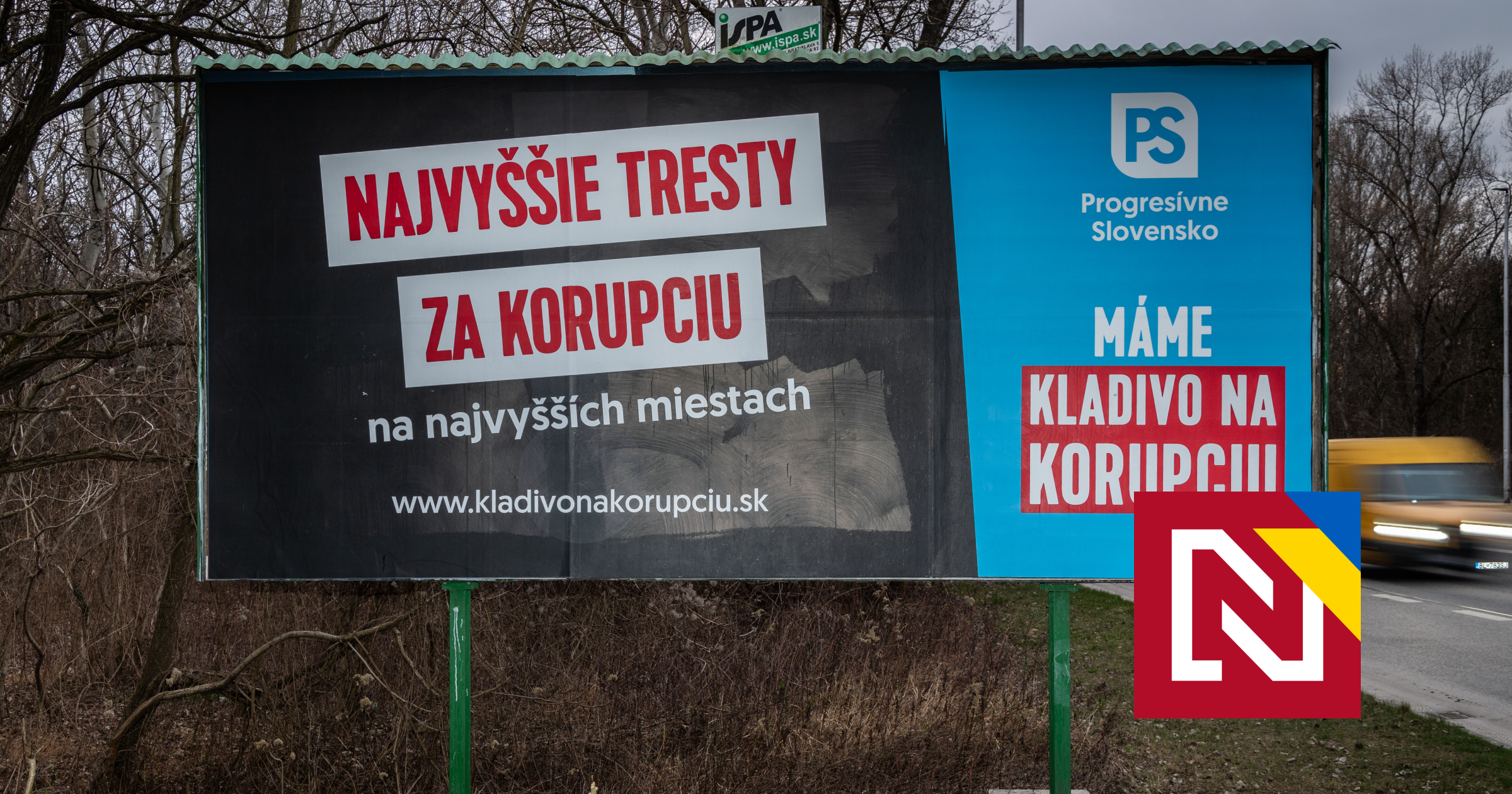
Progressive Slovakia Shifts Strategy to Anti-Corruption Focus After Poll Drop

Progressive Slovakia, a liberal opposition party, has changed its political strategy to emphasize fighting corruption after experiencing a decline in public support. The party's politicians previously acknowledged that corruption scandals and exposing government misconduct "didn't really work for them" as a political approach, even though they recognized that some opposition voters expected this type of politics. After months of rising support, the party's poll numbers stalled just above the parliamentary threshold about a year ago, prompting the strategic shift. The party has now adopted a more aggressive stance against corruption, using slogans like "Tick-tock, profiteers" to target alleged government misconduct, overpriced public contracts, and corruption scandals at various ministries.

|
Domestic Politics

KDH Leader Calls for Party Differentiation in Opposition, Says Smer Must Be Replaced

Milan Karas, leader of the Christian Democratic Movement (KDH), stated that his party must distinguish itself from other opposition parties, describing KDH as "a flower on a colorful meadow" among Slovakia's opposition forces. Speaking in a television interview, Karas emphasized that the ruling Smer-SD party needs to be replaced. The KDH, a center-right Christian democratic party that has historically been part of various governing coalitions, is currently in opposition alongside several other parties following the 2023 parliamentary elections that brought Robert Fico's Smer-SD back to power in a coalition government.

|
Domestic Politics

Opposition Party Reports Irregularities in Slovakia's Integrated Assessment System

The opposition party Freedom and Solidarity (SaS) has identified irregularities within Slovakia's integrated assessment system, citing staffing shortages and delays by relevant government offices. The party claims that in several cases, necessary personnel are missing from the assessment process, while the responsible administrative bodies are falling behind schedule in their duties. The integrated assessment system is designed to evaluate various administrative and regulatory matters across government departments, but SaS suggests the current implementation is facing significant operational challenges that could impact the effectiveness of these evaluations.

|
Domestic Politics

Coalition Denies Plans to Raise Election Threshold to 10 Percent

Slovakia's ruling coalition has dismissed claims that it plans to increase the parliamentary election threshold from the current level to 10 percent. Opposition parties Progressive Slovakia (PS) and the Christian Democratic Movement (KDH) had warned against such a move, expressing concerns about raising the minimum vote share required for parties to enter parliament. Coalition lawmakers responded that they have no knowledge of any such proposal, calling the claims unrealistic. The election threshold determines how much of the vote a political party must receive to gain seats in the National Council, Slovakia's parliament, with higher thresholds making it more difficult for smaller parties to win representation.

|
Domestic Politics

Slovak Coalition Party Hlas Expels MP Jan Ferencak, Giving Opposition Bloc Blocking Power

The ruling party Hlas-SD expelled MP Jan Ferencak from its ranks following a request from the party's regional organization in Kezmarok, where Ferencak serves as mayor. Regional party leaders expressed concerns about his political activities both locally and nationally. Ferencak had repeatedly voted against the coalition line, publicly criticized Hlas leadership, and his name has recently been linked to a land blocking scandal and corruption allegations. The expulsion gives the opposition SNS faction led by Rudolf Huliak a blocking minority in parliament, potentially strengthening their negotiating position within Slovakia's governing coalition. Despite losing Ferencak, Hlas leadership expressed hope that he would continue supporting the coalition as an independent MP.

|