Dávka - Your daily dose of Slovak news
Last refreshed: 03/07/2026 17:43 · 77 articles added
Stories are refreshed at 05:30, 10:30, 15:30, and 21:30 UTC.

Domestic Politics

View all2885 stories
Domestic Politics

Court Case Revived Against Former Slovak Intelligence Officer Kosík Over Promissory Note Scandal

A court case involving a promissory note scandal has resumed against a former member of the Slovak Information Service (SIS), the country's intelligence agency. The case centers on allegations related to financial impropriety involving promissory notes. However, the proceedings have taken an unexpected turn as the alleged victim in the case claims to have no knowledge of any extortion attempt. The development highlights ongoing legal challenges facing former intelligence personnel and raises questions about the strength of the prosecution's case.

|
Domestic Politics

Mayor Loses Mandate in Topoľová Case, Appeals to Supreme Court

A Slovak mayor has lost his mandate in connection with the Topoľová case and has filed an appeal to the Supreme Court, Slovakia's highest judicial authority. The mayor will be eligible to run for office again in October despite losing his current position. The Topoľová case appears to involve legal proceedings that resulted in the termination of the mayor's mandate, though he is pursuing legal remedies through the country's top court to challenge the decision.

|
Domestic Politics

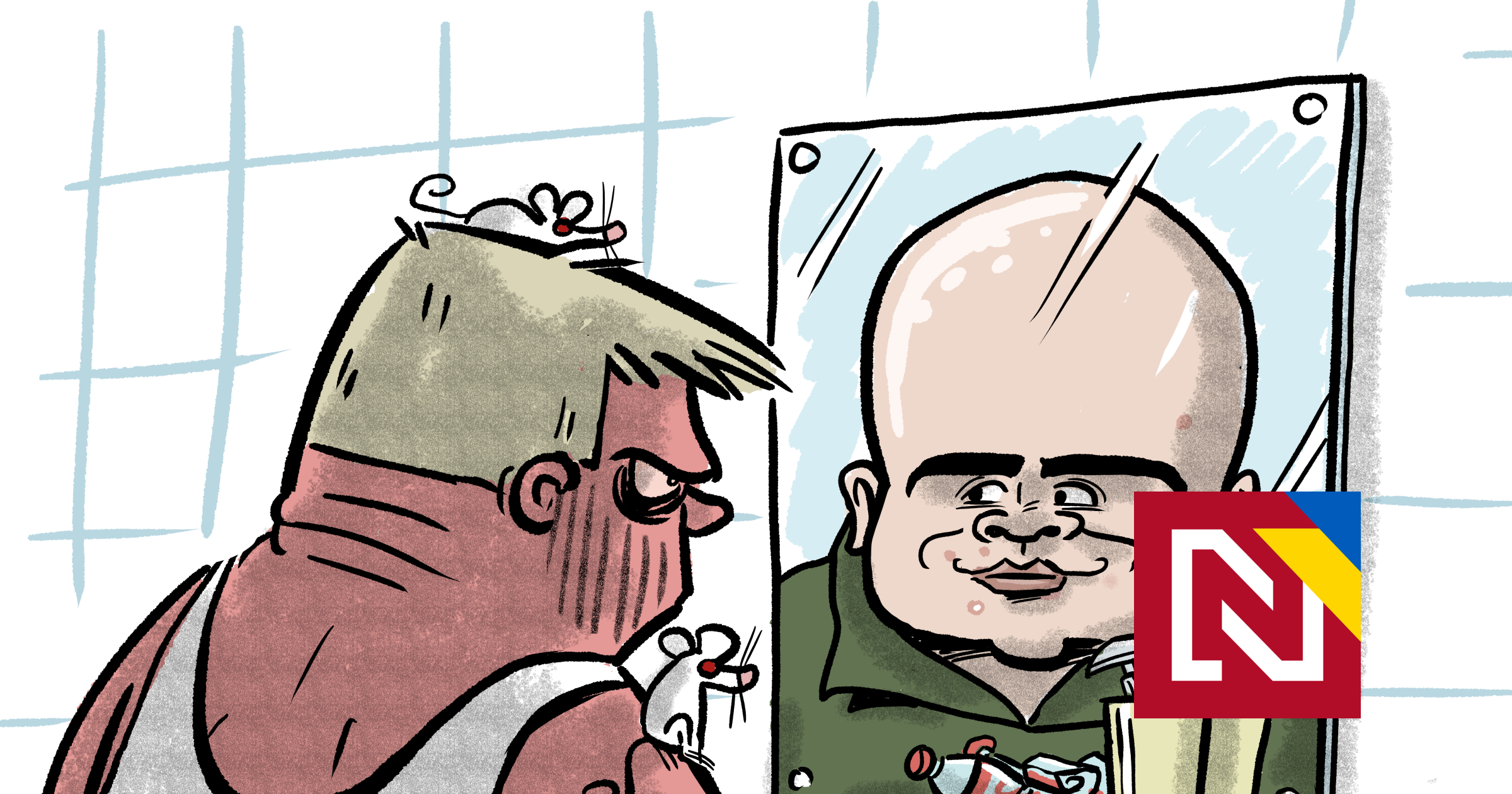
Fico's Support for Mazurek Marks Shift from Earlier Anti-Extremist Stance

Slovak Prime Minister Robert Fico has demonstrated support for controversial figure Milan Mazurek, marking a significant departure from his previous opposition to extremism. When the far-right ĽSNS party entered parliament, Fico had initially pledged to build barriers against such extremist forces. However, this commitment appears to have been abandoned relatively quickly, as evidenced by his current backing of Mazurek and what observers describe as a closing of the political circle. The shift highlights the evolving dynamics within Slovak politics regarding the treatment of far-right elements and extremist rhetoric.

|
Domestic Politics

Slovak Police Receive 73 New Service Vehicles Worth 1.7 Million Euros

Slovak Interior Minister Matúš Šutaj Eštok delivered 73 new service vehicles to regional police forces across Slovakia at a cost of 1.7 million euros. The vehicle handover represents part of ongoing efforts to modernize police equipment and improve law enforcement capabilities in the regions. The Interior Ministry, which oversees Slovakia's police forces, has been working to upgrade police infrastructure and equipment as part of broader public safety initiatives.

|
Domestic Politics

Supreme Court rebukes Justice Minister over appeal that threatens legal certainty

Slovakia's Supreme Court has issued a formal reprimand to Justice Minister Boris Susko over an appeal he filed last year in a case involving Zoroslav Kollár. The country's highest judicial authority criticized Susko for actions that undermine legal certainty, marking an unusual public rebuke of a sitting cabinet minister by the judiciary. The Supreme Court, which serves as Slovakia's highest judicial authority, rarely issues such direct criticism of government officials. The case highlights ongoing tensions between Slovakia's judicial system and the current government led by Prime Minister Robert Fico's coalition, which includes Susko's party. The minister's appeal was filed in 2023, though the specific details of the Kollár case and the nature of Susko's legal intervention that prompted the court's criticism were not detailed.

|
Domestic Politics

Slovak Government Prioritizes Legal Changes Amid Corruption Cases

The Slovak government is moving rapidly to decriminalize certain offenses, with critics suggesting the urgency stems from ongoing corruption cases against government officials and allied structures. Opposition figures describe the legal changes as the administration's top priority, arguing that protecting indicted individuals has taken precedence over other policy matters. The push for decriminalization comes as multiple government-connected figures face criminal charges, raising questions about whether the legal reforms are designed to shield allies from prosecution.

|
Domestic Politics

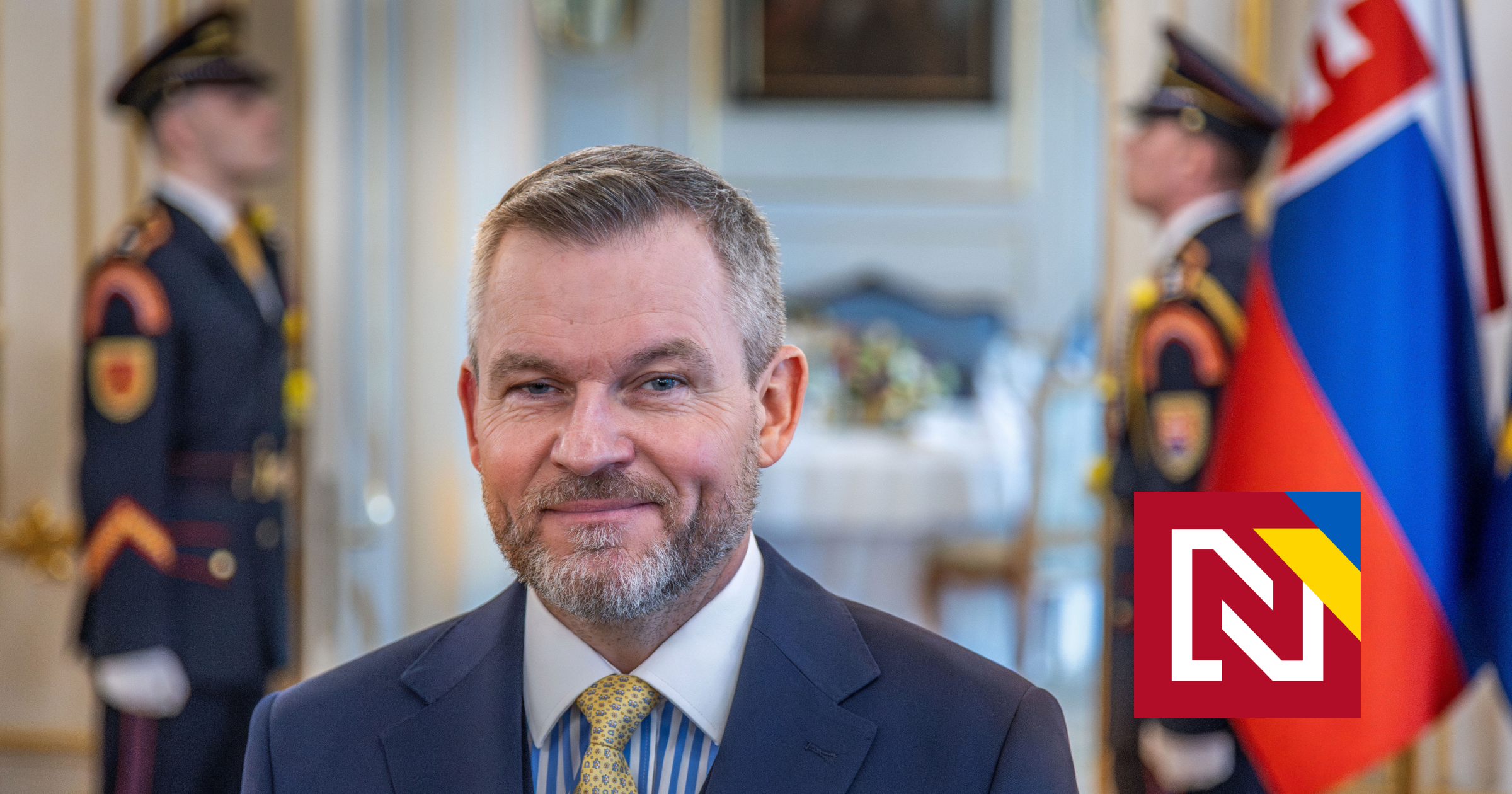
Slovak Constitutional Officials Owe Their Positions to Kremlin, Says Political Commentator

A prominent political commentator has argued that Slovakia's top constitutional officials owe their positions to Russian influence, with President Peter Pellegrini allegedly securing his role in the presidential palace through Moscow's backing. The analysis suggests Pellegrini won the presidency partly due to voters that Russia has systematically cultivated in Slovakia over the past fifteen years. The commentator questions whether Slovakia will be able to break free from this influence by 2027, when the next major electoral cycle is expected.

|
Domestic Politics

Opposition MP Krajčí Criticizes Health Ministry for Signing Overpriced Drug Contracts

Opposition lawmaker Krajčí from the Hnutie Slovensko party has criticized Slovakia's Health Ministry for signing contracts for new medications at inflated prices. The politician warned that patients will ultimately bear the financial burden of these allegedly overpriced pharmaceutical agreements. Hnutie Slovensko is a center-right opposition party led by former Prime Minister Igor Matovič, which has been vocal in criticizing the current government's healthcare policies and spending practices.

|
Domestic Politics

Slovak Anti-Government Protests See Declining Attendance as Public Engagement Wanes

Anti-government protests in Slovakia are experiencing a significant drop in attendance, raising questions about the effectiveness and future of public demonstrations against the current administration. Peter Bárdy, a prominent Slovak journalist, analyzed the declining participation in street protests, suggesting that Slovaks are increasingly reluctant to take part in public demonstrations. The reduced turnout at rallies represents a shift in how citizens are expressing political opposition, with traditional forms of protest losing their appeal among the Slovak population. This development comes as the country continues to grapple with political tensions between the ruling coalition led by Smer-SD and opposition groups who have organized regular demonstrations since the government took power.

|
Domestic Politics

Third trial of businessman Kočner continues with witness testimony in tax fraud case

A Bratislava court continued hearing the third criminal trial against businessman Marián Kočner, with witnesses and an expert testifying in cases related to the Donovaly and Báč localities. The charges involve the excessive claiming of VAT refunds, representing another legal proceeding against the controversial figure. Kočner, one of Slovakia's most prominent businessmen, has been at the center of multiple high-profile criminal cases in recent years, including connections to the murder of investigative journalist Ján Kuciak and various fraud allegations that have dominated Slovak headlines.

|
Domestic Politics

Slovak Police Begin Investigation into Opposition Leader's Criminal Complaint Against Prime Minister Fico

Police have begun reviewing a criminal complaint filed against Prime Minister Robert Fico by Branislav Gröhling, leader of the opposition Freedom and Solidarity (SaS) party. The complaint, submitted a month ago, alleges serious criminal offenses including high treason. Gröhling claims the complaint has garnered support from approximately 13,000 citizens. SaS is a liberal opposition party that has been critical of Fico's governing policies since his return to power.

|
Domestic Politics

Slovak Legal Review Examines Russian Sanctions and Early Election Referendum

A weekly legal analysis by Rada Procházka examined two key developments in Slovak politics and law. The review addressed questions surrounding anti-Russian and anti-Belarusian sanctions and their application to specific individuals, including Russian oligarchs. The analysis also covered issues related to a referendum on early elections, examining what Procházka described as a "feint" by former parliament speaker Boris Kollár's We Are Family party that now rests in the hands of President Peter Pellegrini. The legal review provided expert commentary on these significant political and legal matters affecting Slovakia's domestic and international obligations.

|
Domestic Politics

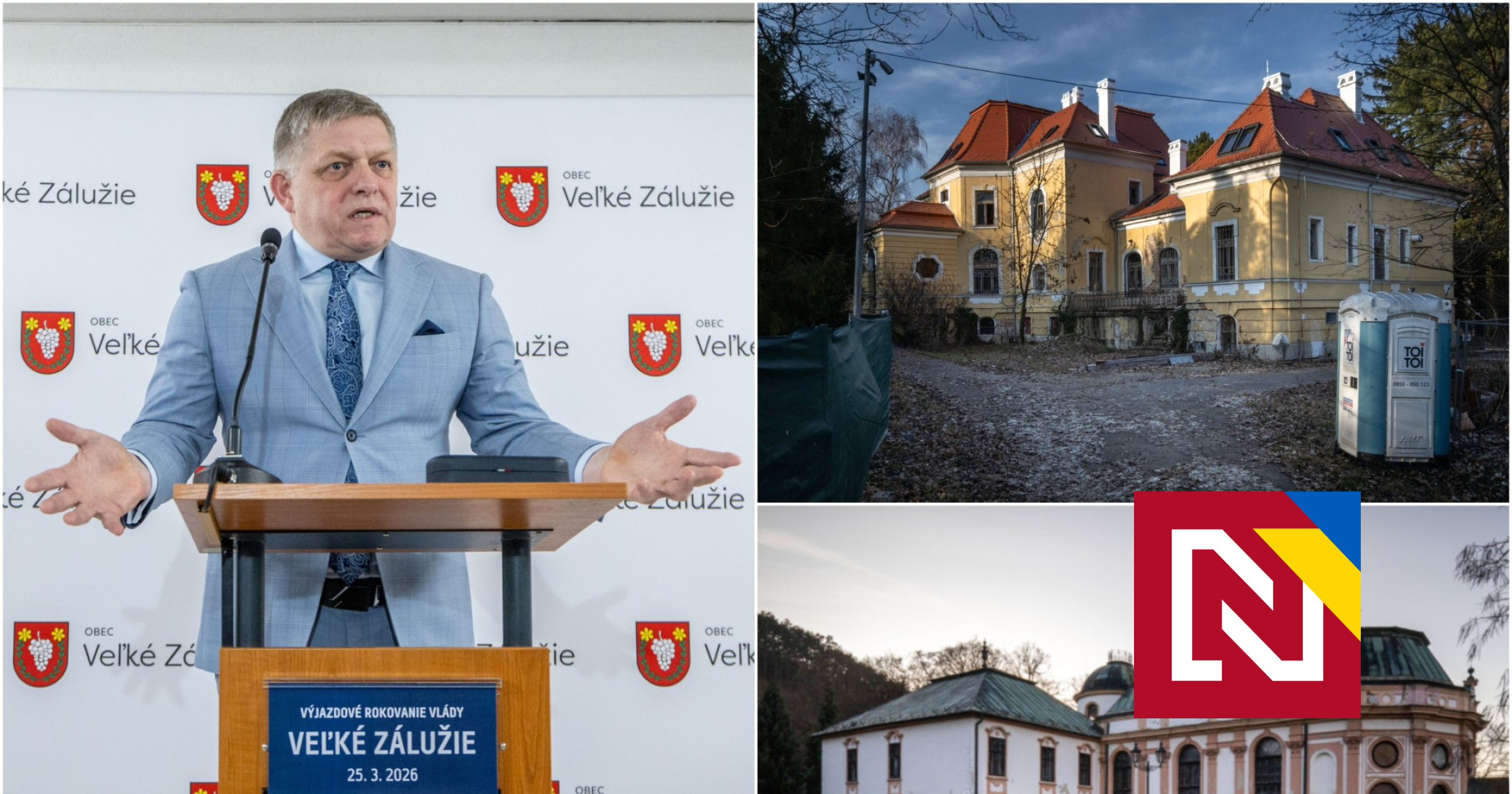
Slovak PM Fico Angrily Dismisses Questions About Meeting with Businessman

Slovak Prime Minister Robert Fico angrily rejected journalists' questions at a press conference on Wednesday about whether he met with businessman Adrian Polóny from SAD Zvolen transport company last month. "You're starting to do things that are disgusting, asking the Prime Minister of the Slovak Republic where I was, what underwear I'm wearing right now, and whether I met someone somewhere... You're really going too far," Fico responded. When pressed further, he told reporters to "be quiet." The exchange highlights growing tensions between Fico's government and media scrutiny of his meetings with business figures. Fico, who leads the ruling social-democratic Smer-SD party, has frequently clashed with journalists over questions about his contacts with private sector representatives, viewing such inquiries as inappropriate intrusions into his personal activities.

|
Domestic Politics

Martin Žovinec Elected to Slovakia's Judicial Council

Martin Žovinec, a judge at the Regional Court in Trnava, has been elected as a new member of the Judicial Council of the Slovak Republic. Judges from the western Slovak electoral district selected Žovinec in voting held on Wednesday. The Judicial Council is Slovakia's constitutional body responsible for overseeing judicial administration, including the appointment and disciplining of judges, making it a key institution in maintaining judicial independence in the country's court system.

|
Domestic Politics

Slovak anti-corruption police launch Operation Database in eastern Slovakia

Slovakia's anti-corruption police unit launched Operation Database, conducting simultaneous raids in Košice and Rožňava as part of an investigation into crimes damaging the European Union's financial interests. The operation is being carried out by the anti-corruption unit of ÚBOK, the National Criminal Agency's organized crime bureau, which handles major financial crimes and corruption cases. Police are searching company premises in both eastern Slovak cities as part of the ongoing investigation. The operation represents the latest effort by Slovak authorities to combat EU subsidy fraud and financial crimes that harm European Union budgets.

Domestic Politics

Slovak Anti-Corruption Unit Raids Eastern Cities in EU Funds Investigation

Slovakia's anti-corruption police conducted simultaneous raids in Košice and Rožňava as part of an investigation into crimes damaging the financial interests of the European Union. The operation, codenamed "Database," was carried out by the anti-corruption unit of the National Crime Agency (ÚBOK), which is part of Slovakia's police presidium. The raids are connected to suspected criminal activity involving the misuse of EU funds, though authorities have not disclosed specific details about the nature of the alleged crimes or the targets of the investigation. Both cities are located in eastern Slovakia, where EU structural funds have been used extensively for regional development projects.

|
Domestic Politics

Slovak municipalities criticize unclear holiday regulations that increase local costs

Slovak municipalities are facing increased expenses due to unclear regulations governing public holidays, according to the Union of Slovak Towns and Cities. The municipal association criticized the national government for shifting the consequences of its own policy failures onto local authorities. The controversy centers on ambiguous rules that leave municipalities uncertain about their obligations during public holidays, forcing them to bear additional costs without adequate guidance or support from the central government.

|
Domestic Politics

Slovak Media Details Timeline of Pellegrini's Moscow Trip Before 2020 Elections

Slovak news outlet Aktuality.sk published an infographic detailing how Peter Pellegrini, leader of the Hlas party, arranged his trip to Moscow ahead of Slovakia's 2020 parliamentary elections. The visualization provides a timeline of events surrounding the controversial visit to Russia. Pellegrini, a former prime minister who split from the ruling Smer-SD party to form Hlas in 2020, has faced scrutiny over his ties to Russia. The trip occurred during a sensitive period before elections that would ultimately see his former party Smer-SD lose power to a coalition led by the center-right Ordinary People party.

|
Domestic Politics

Police Conduct Major Operation in Spiš Region, Two Detained

Police launched a major operation codenamed "Otrok" (Slave) in Slovakia's Spiš region, with masked officers conducting house searches and detaining two individuals. The operation, which began early in the morning, remains ongoing as investigators continue with procedural activities. The Spiš region is located in northern Slovakia near the border with Poland, and such large-scale police operations typically target organized crime or serious criminal activity, though authorities have not yet disclosed the specific nature of the investigation.

|
Domestic Politics

Constitutional Court Appointment Dispute Emerges Between Slovak Coalition Partners

A disagreement has emerged within Slovakia's ruling coalition over appointments to the Constitutional Court, with Parliamentary Speaker Andrej Danko supporting a candidate that Prime Minister Robert Fico opposes. The dispute highlights ongoing challenges caused by judicial vacancies at the Constitutional Court, Slovakia's highest constitutional authority responsible for interpreting the constitution and reviewing the constitutionality of laws. Danko leads the Slovak National Party (SNS), a nationalist party that is part of Fico's ruling coalition alongside the social-democratic Smer-SD party. The shortage of judges at the Constitutional Court has been creating operational difficulties for the institution, which requires a sufficient number of justices to function effectively and make binding decisions on constitutional matters.

|