Dávka - Your daily dose of Slovak news
Last refreshed: 02/07/2026 17:42 · 83 articles added
Stories are refreshed at 05:30, 10:30, 15:30, and 21:30 UTC.

Domestic Politics

View all2865 stories
Domestic Politics

Slovakia to invest nearly one billion euros in military this year

Slovakia plans to invest nearly one billion euros in military modernization this year, marking a significant increase in defense spending. The investments will include the purchase of new air defense systems and the arrival of additional F-16 fighter jets to strengthen the country's military capabilities. This major defense investment comes as European nations boost military spending amid regional security concerns following Russia's invasion of Ukraine.

|
Domestic Politics

Slovak National Party Proposes New Regulations for Political Opinion Polls

The Slovak National Party (SNS) has introduced legislation to strengthen oversight of public opinion polls with political content. The proposed changes would transfer supervisory authority to the Statistical Office of the Slovak Republic and introduce penalties for violations. SNS, a nationalist party that is part of Prime Minister Robert Fico's ruling coalition, argues the measures are needed to ensure greater accuracy and accountability in political polling. The move comes as Slovakia has seen frequent public opinion surveys during recent political campaigns and ongoing governance debates.

|
Domestic Politics

Slovak Prime Minister Fico Calls for Ban on Public Opinion Polls After Sunday TV Debates

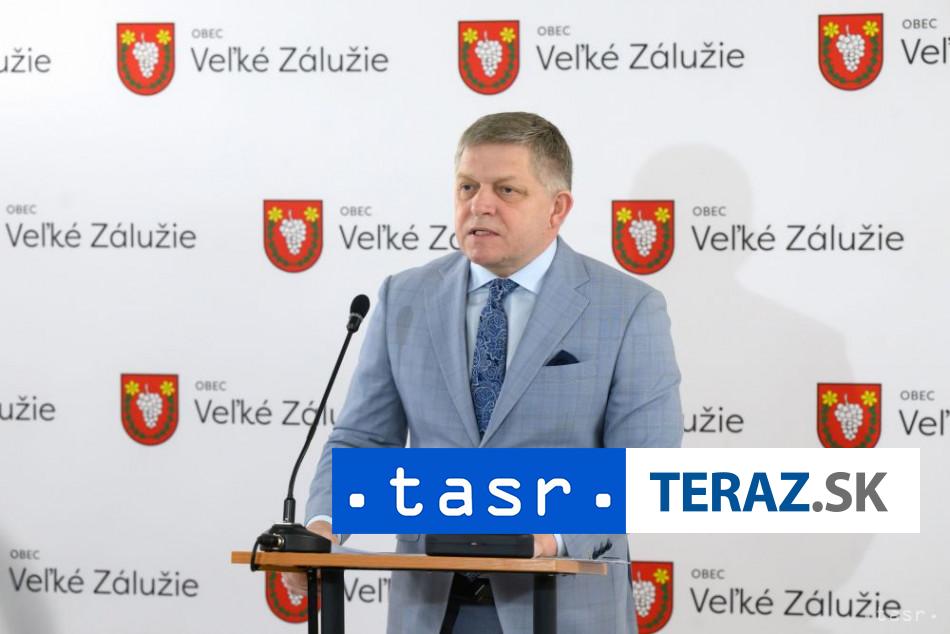
Slovak Prime Minister Robert Fico has called for the abolition of public opinion polls, expressing frustration with their impact following Sunday television political debates. Fico, who leads the ruling Smer-SD social-democratic party, made the statement in a video message where he also renewed criticism of the opposition and the European Union in Brussels. The comments reflect growing tensions between Fico's government and both domestic opposition parties and EU institutions, as Slovakia's populist leader continues to clash with critics of his administration's policies.

|
Domestic Politics

Slovak Prime Minister Criticizes Opposition and European Commission Over Ukraine Policy

Slovak Prime Minister Robert Fico criticized the opposition Progressive Slovakia party for excluding cooperation, describing their stance as typical opposition politics. Fico also renewed his criticism of the European Commission, accusing the EU executive body of applying double standards and prioritizing Ukraine's interests over those of EU member states. The comments reflect ongoing tensions between Slovakia's current government and both domestic opposition parties and EU institutions over the country's foreign policy approach, particularly regarding support for Ukraine amid the ongoing war with Russia.

|
Domestic Politics

Former Slovak Television Director Criticizes Current Leadership Over Institutional Values

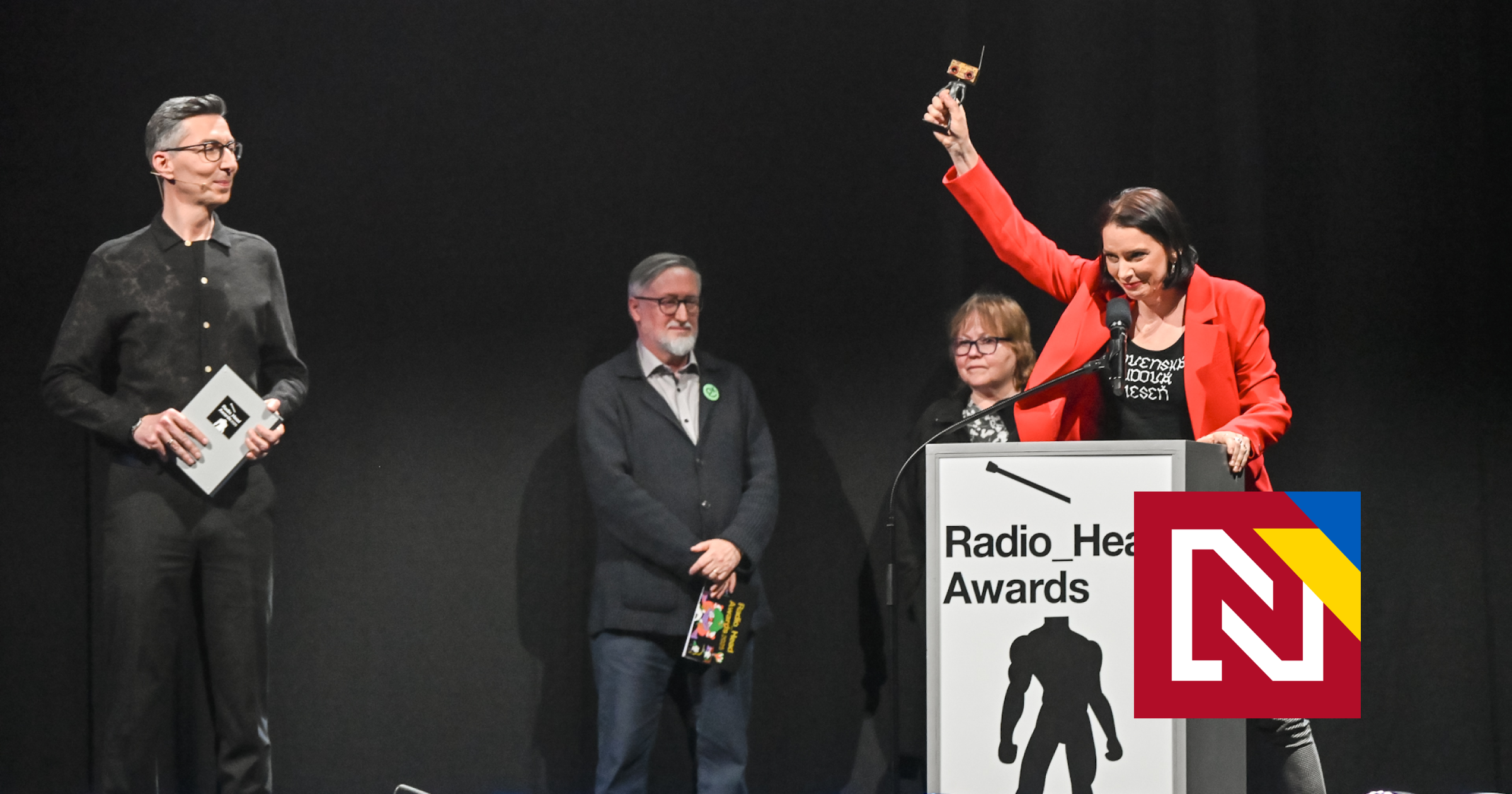
Journalist and publicist Soňa Gyarfašová has publicly criticized the Slovak Television and Radio (STVR), describing it as an institution that behaves rudely and disrespectfully toward people while attacking both its employees and citizens. Gyarfašová, who previously served as general director of Slovak Television, expressed concern that the public broadcaster is transforming into an environment that lacks freedom and operates against the values it should uphold. Her comments appear directed at current STVR leadership under Martina Flašíková, with Gyarfašová emphasizing that the institution does not belong to any individual leader but serves the public. STVR is Slovakia's public broadcasting service, funded by taxpayers and mandated to provide independent news and programming to Slovak citizens.

|
Domestic Politics

Commentary: Authoritarian Tactics in Modern European Democracies

A Slovak commentary examines how contemporary authoritarian movements in Central Europe operate differently from traditional totalitarian regimes. While old-style totalitarian systems could simply ban unwanted activities and imprison dissidents without explanation, modern authoritarian governments in 21st-century Central Europe must maintain a democratic facade when restricting freedoms. These governments, having been democratically elected, find the appearance of democracy useful for legitimizing their actions. The analysis suggests that today's authoritarian leaders face the challenge of implementing restrictive policies while appearing to operate within democratic norms, requiring more sophisticated approaches to suppressing opposition than their predecessors used.

|
Domestic Politics

Slovak Commentary Warns of Democratic Erosion Through Selective Bans

A Slovak political commentary has highlighted concerns about the erosion of democratic norms in Central Europe, arguing that modern authoritarian-leaning governments use democratic legitimacy as cover for restricting civil liberties. The analysis contrasts old-style totalitarian regimes, which openly banned citizen activities without explanation, with contemporary Central European governments that maintain a democratic facade while selectively prohibiting activities they find objectionable. The commentary suggests these governments exploit their electoral mandate to justify restrictions while presenting themselves as democratic, using what the author describes as a "cloak of democracy" to legitimize authoritarian practices.

|
Domestic Politics

Opposition Democrats Suspect President of Seeking Excuses to Block Government Referendum

Opposition Democrats have accused Slovakia's president of looking for pretexts to prevent a referendum aimed at ending the current government's term early. The referendum initiative represents an attempt by opposition forces to force premature elections and remove the ruling coalition from power before the end of its regular mandate. Slovakia's constitution allows for referendums on significant issues, but the president plays a key role in the referendum process, including the power to approve or reject referendum questions. The accusation suggests growing political tensions between the opposition and both the government and presidency over the referendum's potential to reshape the country's political landscape.

|
Domestic Politics

Cash Discovery, Data Breach Suspicions, and Tight Polling Race Dominate Slovak Political Week

Slovakia's political landscape was shaken this week by the discovery of 45,000 euros in cash found in a garage, raising questions about potential corruption or illicit financial activities. The week also brought suspicions of sensitive data leaks from European Union meetings being passed to the Kremlin, highlighting concerns about security breaches in Slovakia's handling of classified information. Meanwhile, polling data revealed a close political contest between Progressive Slovakia (PS), the main liberal opposition party, and Smer-SD, the ruling social-democratic party led by Prime Minister Robert Fico. The tight race suggests growing political competition ahead of future elections, with PS challenging Smer's dominance in voter preferences.

|
Domestic Politics

Slovakia Issues Crisis Preparedness Brochure While Switzerland Maintains Extensive Bunker System

Slovakia has distributed a brochure on crisis preparedness to its citizens, though most residents have not received the publication. The distribution comes as other European nations maintain more extensive civil defense infrastructure, with Switzerland famously operating more underground bunkers than it has residents. The limited reach of Slovakia's crisis information campaign highlights potential gaps in the country's emergency preparedness communications compared to neighboring countries that have invested more heavily in civilian protection systems.

|
Domestic Politics

Slovak National Party Leader Draws Inspiration from Hungarian Fidesz Model

Andrej Danko, chairman of the Slovak National Party (SNS), has shifted his party's traditionally anti-Hungarian stance to embrace Hungary's governing Fidesz party as a political model. The commentary suggests Danko's best political ideas now originate from Budapest, marking a dramatic reversal from the SNS's historical position of viewing Hungary as Slovakia's primary adversary. This transformation reflects Danko's apparent strategy to replicate Viktor Orbán's successful populist approach in Slovakia, though the commentary warns this "dream of a Slovak Fidesz" could become a nightmare for the nationalist leader.

|
Domestic Politics

Independent candidates can run in Slovak local elections with citizen petition signatures

Independent candidates may participate in Slovakia's upcoming local elections by collecting petition signatures from citizens. The minimum number of required signatures for independent mayoral and city council candidates is determined by the population size of the respective municipality. This system allows candidates without political party affiliation to compete for positions as mayors, village heads, and members of municipal councils by demonstrating local citizen support through the signature collection process.

|
Domestic Politics

Former Slovak PM Matovič criticizes opposition leadership change, calls Šimečka weakest opponent for Fico

Igor Matovič, leader of the Slovakia movement and former prime minister, criticized the leadership of Progresívne Slovensko (Progressive Slovakia), calling its chairman Michal Šimečka the weakest potential opponent for Prime Minister Robert Fico. Matovič had expected changes at the helm of the opposition party and criticized Šimečka's behavior toward potential political partners. Matovič, whose Slovakia movement is part of the opposition, emphasized the need for a broad pre-election coalition to challenge the ruling government. Progressive Slovakia is currently the largest opposition party in Slovakia's parliament and has been positioning itself as the main alternative to Fico's Smer-SD party, which leads the current ruling coalition.

|
Domestic Politics

Slovak Coalition Partners Clash Over Arts Funding Management

A dispute has erupted between Slovak government coalition partners over the management of arts funding, with officials trading public criticisms about support for Slovak folklore. Roman Malatinec, representing the Huliak faction within the ruling coalition, accused the Slovak National Party (SNS) of mismanaging the Arts Support Fund and submitted a legislative proposal to change the fund's governing law. The conflict highlights tensions within Slovakia's governing coalition, which includes the social-democratic Smer-SD party, the nationalist SNS, and the Huliak group - a faction that split from the far-right Republic party. The Arts Support Fund is a key government institution responsible for distributing state funding to cultural projects, including traditional Slovak folklore initiatives that are politically important to nationalist parties in the coalition.

|
Domestic Politics

Slovak President Rejects Opposition Call for Early Election Referendum

Slovak President Peter Pellegrini refused to approve a referendum proposed by the opposition Democrats party that would seek to shorten the current government's mandate and trigger early elections. Pellegrini stated he found no constitutional grounds to support the referendum proposal, arguing that Slovakia's constitution does not permit such referendums. The Democrats, an opposition party, are seeking to cut short the term of the current ruling coalition government composed of Smer-SD (a social-democratic party), Hlas (Voice party), and the Slovak National Party (SNS). The president noted that the constitutional limitations on such referendums were paradoxically established during the previous parliamentary term, effectively preventing the opposition from using this mechanism to challenge the government's mandate.

|
Domestic Politics

Witness to Testify in Case Involving Plot to Murder Slovakia's Prosecutor General

A witness is scheduled to testify in a case involving an alleged plot to murder Maroš Žilinka, Slovakia's Prosecutor General. The case is being heard alongside the trial for the murder of investigative journalist Ján Kuciak. Žilinka currently heads Slovakia's prosecution service, which oversees major criminal investigations and prosecutions. The Kuciak murder case involved the 2018 killing of the journalist and his fiancée, which sparked major political upheaval in Slovakia and led to the resignation of the prime minister at the time.

|
Domestic Politics

Slovak President Questions Legality of Democrats' Referendum Proposal

Slovak President Peter Pellegrini expressed doubts about the constitutionality of a referendum proposal put forward by the Democrats party. The president questioned whether the referendum, as currently formulated by the Democrats, meets the legal requirements for such a public vote under Slovak law. The Democrats, an opposition liberal party that emerged from the merger of several centrist groups, have been pushing for the referendum as part of their political agenda. Presidential concerns about referendum proposals typically center on whether the questions comply with constitutional limitations on what issues can be subject to direct democracy votes in Slovakia.

|
Domestic Politics

Slovak National Party Proposes Law to Protect Against AI Misuse

The Slovak National Party (SNS) has introduced legislation aimed at protecting citizens from artificial intelligence misuse. The proposed law would amend three key pieces of Slovak legislation: the Civil Code, the Misdemeanors Act, and the Criminal Code. SNS is a nationalist party that forms part of Slovakia's ruling coalition government alongside the social-democratic Smer-SD party. The legislative proposal represents Slovakia's attempt to address emerging challenges posed by artificial intelligence technologies, though specific details about what types of AI misuse the law would target or what penalties it would establish have not been disclosed.

|
Domestic Politics

Slovak Train Drivers Plan Protest Against Mandatory Onboard Cameras

Train drivers in Slovakia are preparing to protest on Freedom Square against government plans to install cameras inside train cabs, calling the measure pointless. The drivers argue that genuine railway safety improvements would come from other infrastructure investments rather than surveillance equipment. The protest highlights growing tensions between the transport ministry and railway workers over safety policies and spending priorities.

|
Domestic Politics

Slovak Opposition Leader Warns of 'Dirtiest Campaign in History' as Progressives Re-elect Him

Michal Šimečka, leader of the opposition Progressive Slovakia party, warned supporters that the ruling coalition may target his family during the upcoming election campaign, stating "Maybe they will arrest my mother." The comment came as Progressive Slovakia re-elected Šimečka as party leader at their congress. During the event, Šimečka outlined his party's priorities for a future government, including what he called a "hammer on corruption" and a commitment to build 30,000 apartments annually. Progressive Slovakia, a liberal pro-European party, has emerged as one of the main opposition forces to the current government led by Robert Fico's Smer-SD party, which has been criticized by the opposition for its approach to rule of law and corruption issues.

|