Dávka - Your daily dose of Slovak news
Last refreshed: 02/07/2026 17:42 · 83 articles added
Stories are refreshed at 05:30, 10:30, 15:30, and 21:30 UTC.

Domestic Politics

View all2865 stories
Domestic Politics

Border Operation Green II Uncovers 307 Violations During Enhanced Controls

Slovak authorities detected 307 violations during Operation Green II, an enhanced border control initiative that extended beyond traditional border checkpoints. The operation involved Czech Interior Minister participation, indicating cross-border cooperation between the two neighboring countries. The action represents part of broader security measures implemented by Slovak law enforcement agencies, though specific details about the nature of the violations or the exact scope of the operation were not disclosed.

|
Domestic Politics

Tax Violations Investigated Through Tax Law Despite No Criminal Prosecution, Says Justice Minister

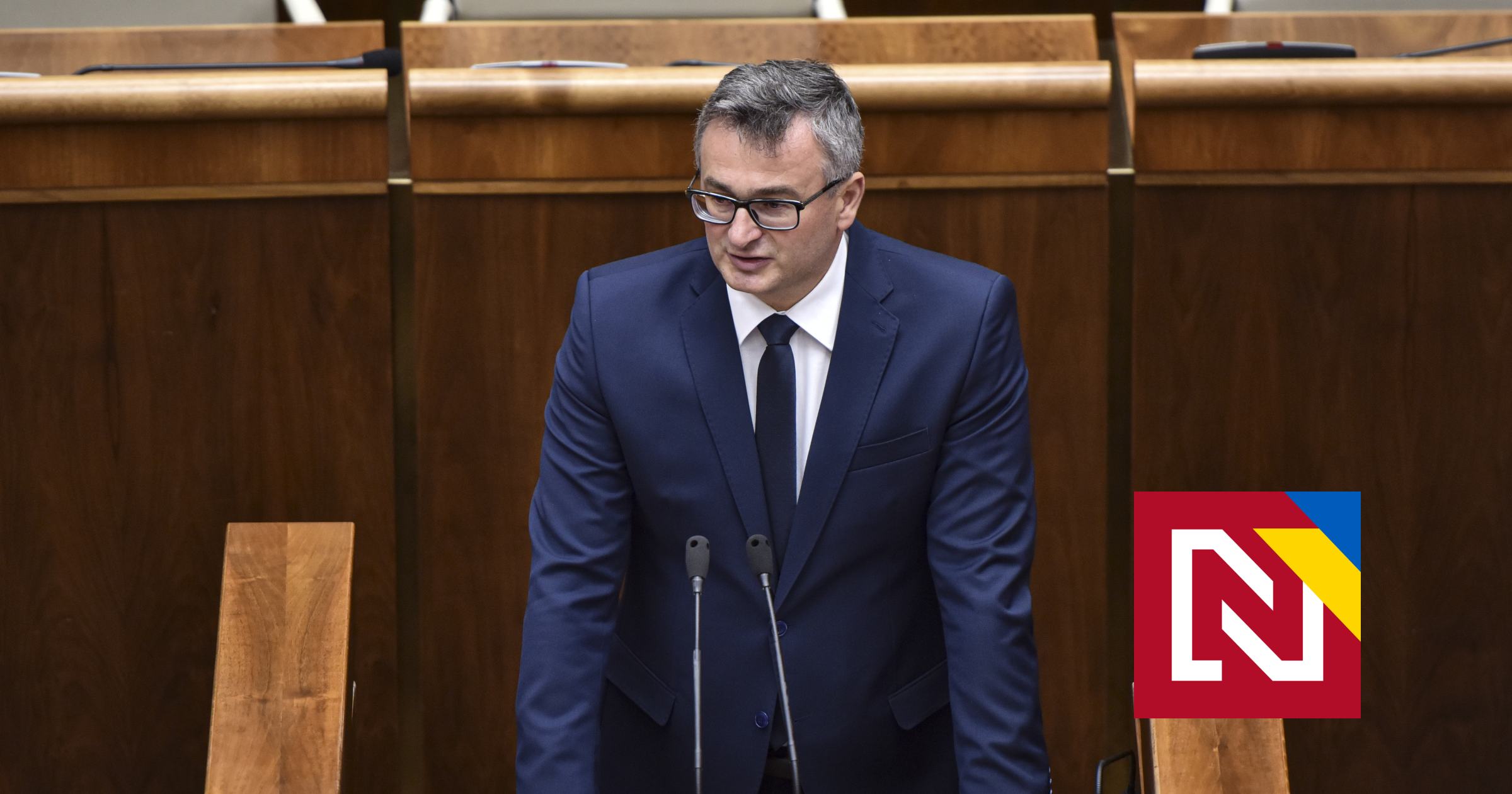
Slovak Justice Minister Boris Susko stated that tax violations are being investigated and addressed through tax law mechanisms even when they are not pursued as criminal offenses. The minister explained that while these cases may not be prosecuted under criminal law, they are still subject to enforcement through administrative tax law procedures. Susko's comments appear to address questions about how tax-related misconduct is handled when it falls below the threshold for criminal prosecution, suggesting that Slovak authorities are using civil tax enforcement tools rather than criminal charges in certain cases.

|
Domestic Politics

Slovak Ruling Coalition Targets Opinion Polls After Historic Low Ratings

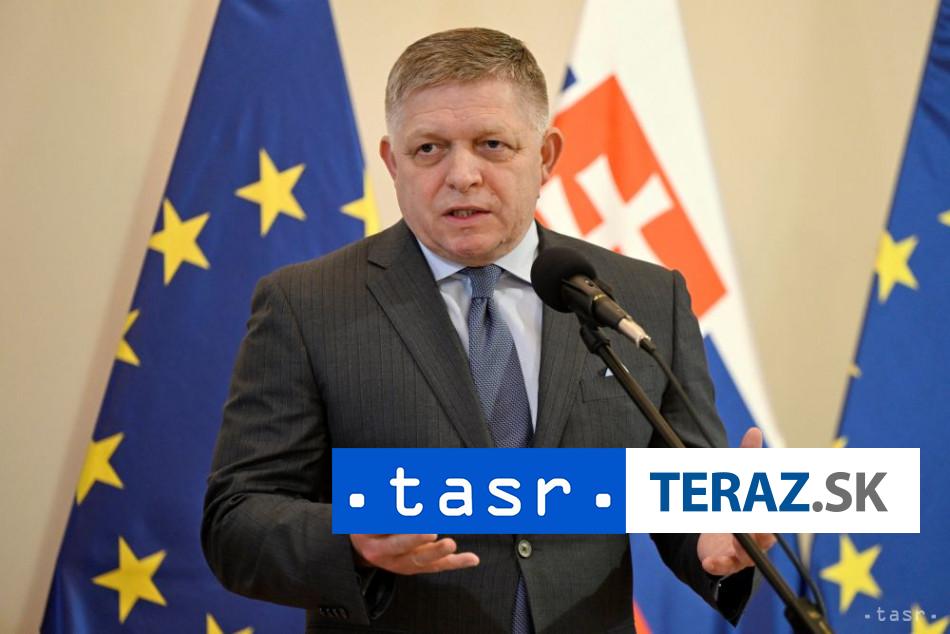
Slovakia's ruling coalition has launched an attack on public opinion polling after recording historically low support ratings. Andrej Danko, leader of the Slovak National Party (SNS), is pushing legislation that would create a control commission to oversee polling companies and impose fines of up to 100,000 euros for violations. Prime Minister Robert Fico has gone further, questioning the integrity of opinion polls entirely and suggesting they should be abolished completely. The Slovak National Party, a junior partner in the ruling coalition alongside Fico's Smer-SD party, has seen its public support drop to historic lows in recent surveys. The proposed measures represent an escalation in the government's criticism of independent polling, which has consistently shown declining support for the coalition that took power following elections in 2023. Critics view the initiative as an attempt to silence unfavorable coverage of the government's performance rather than address legitimate concerns about polling methodology.

|
Domestic Politics

Slovak Opposition Criticizes Prime Minister Fico Over Media War with Brussels and Neglect of Domestic Issues

Slovak opposition parties have criticized Prime Minister Robert Fico for engaging in a media war with Brussels while ignoring pressing domestic problems. The opposition rejected Fico's rhetoric about favoritism toward Ukraine and argued that the real issue lies in dual fuel pricing policies that disadvantage Slovak consumers. Opposition lawmakers called for taxing Slovnaft's profits and providing direct assistance to citizens struggling with high energy costs. The criticism comes as Fico's government, led by the ruling Smer-SD party, has increasingly clashed with European Union institutions over various policy issues while domestic concerns about living costs continue to mount.

|
Domestic Politics

Slovakia's Opposition Progressives Focus on Housing and Economic Issues Ahead of Elections

Progresívne Slovensko (Progressive Slovakia), the country's largest opposition party, outlined its political priorities at a weekend party congress, focusing on economic policy, poverty reduction, and housing accessibility. The party appears to be taking inspiration from recent electoral success in the Netherlands, where housing issues helped progressive parties win elections. The housing theme has previously been attempted in Slovak politics by Boris Kollár, leader of the populist Sme Rodina (We Are Family) party. However, political scientist Pavol Hardoš suggests that housing as a campaign issue may be more symbolic than substantive in the Slovak context. Progressive Slovakia, which positions itself as a liberal pro-European alternative to the ruling Smer-SD party, is preparing its platform ahead of the next parliamentary elections.

|
Domestic Politics

Activists in Lučenec Warn Against Rising Extremism and Pro-Russian Sentiment in Slovakia

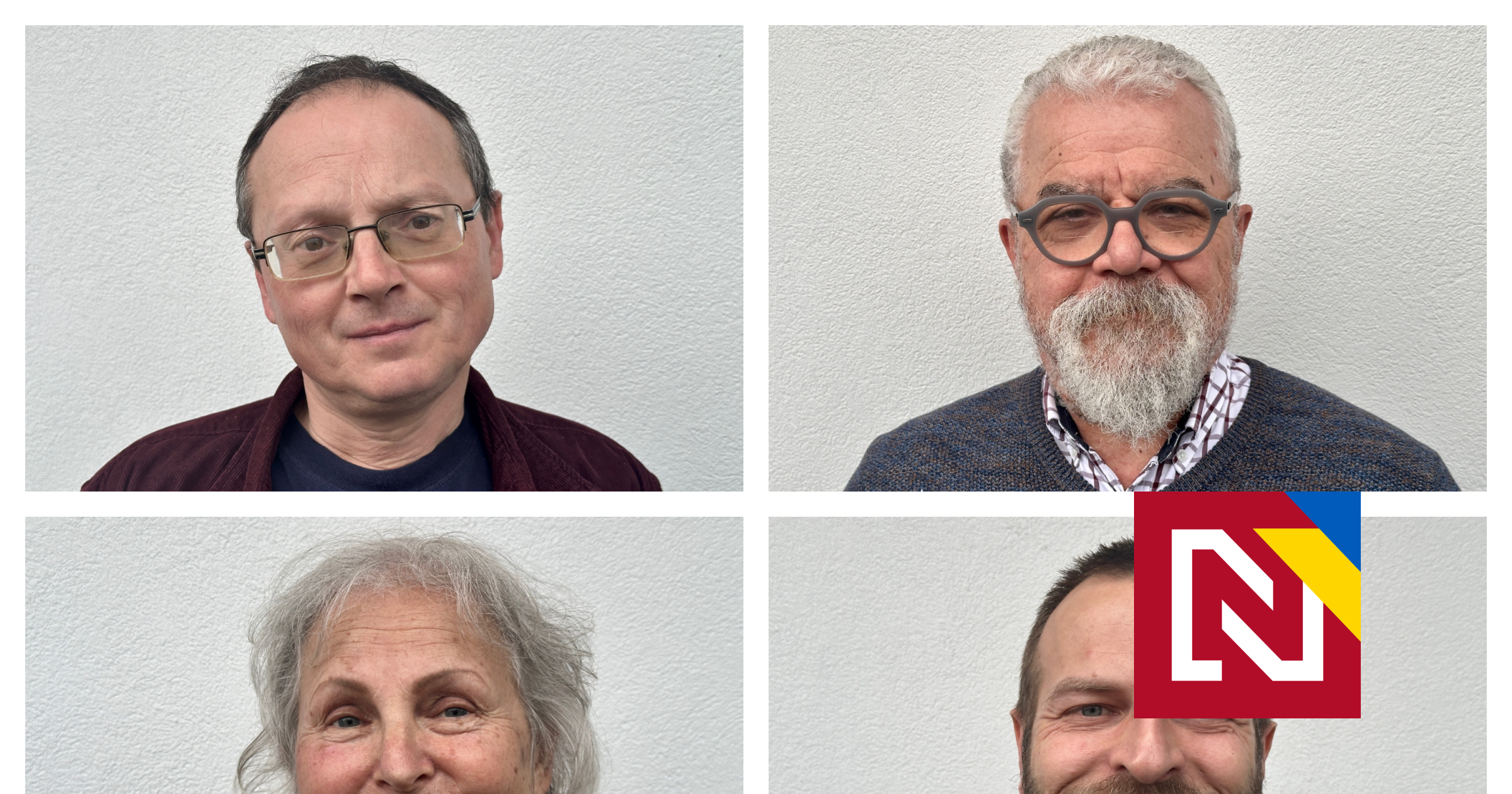
Four civic activists from Lučenec, a town in southern Slovakia, have spoken out against what they describe as government legitimization of extremism and pro-Russian sentiment in their region and across the country. The group includes lawyer Martin Landl, former teacher Eva Martinková, software company owner and cultural association operator Krasimír Damjanov, and translator Radomír Hrivňák from nearby Holiša village. The activists organize protests and community engagement events while working to counter extremist influences in their local area. Their concerns reflect broader tensions in Slovakia over the current government's approach to extremist groups and its stance toward Russia, particularly as the country has seen increased polarization since the 2023 parliamentary elections that brought Robert Fico's Smer-SD party back to power in coalition with nationalist parties.

|
Domestic Politics

Slovakia's Ruling Party Proposes Changes to Overseas Voting System

Smer-SD, Slovakia's ruling social-democratic party, has submitted legislation to parliament that would overhaul how Slovak citizens living abroad cast their votes in elections. The proposed changes would require overseas voters to cast ballots at Slovak diplomatic missions and consular offices rather than through the postal system currently in use. The National Council, Slovakia's parliament, will now consider the amendment to the country's electoral law. The current postal voting system has been used by Slovak expatriates to participate in national elections, but the ruling party argues for a shift to in-person voting at official diplomatic facilities abroad.

|
Domestic Politics

Mass Resignations Continue at Slovakia's Public TV as Management Clashes with Critics

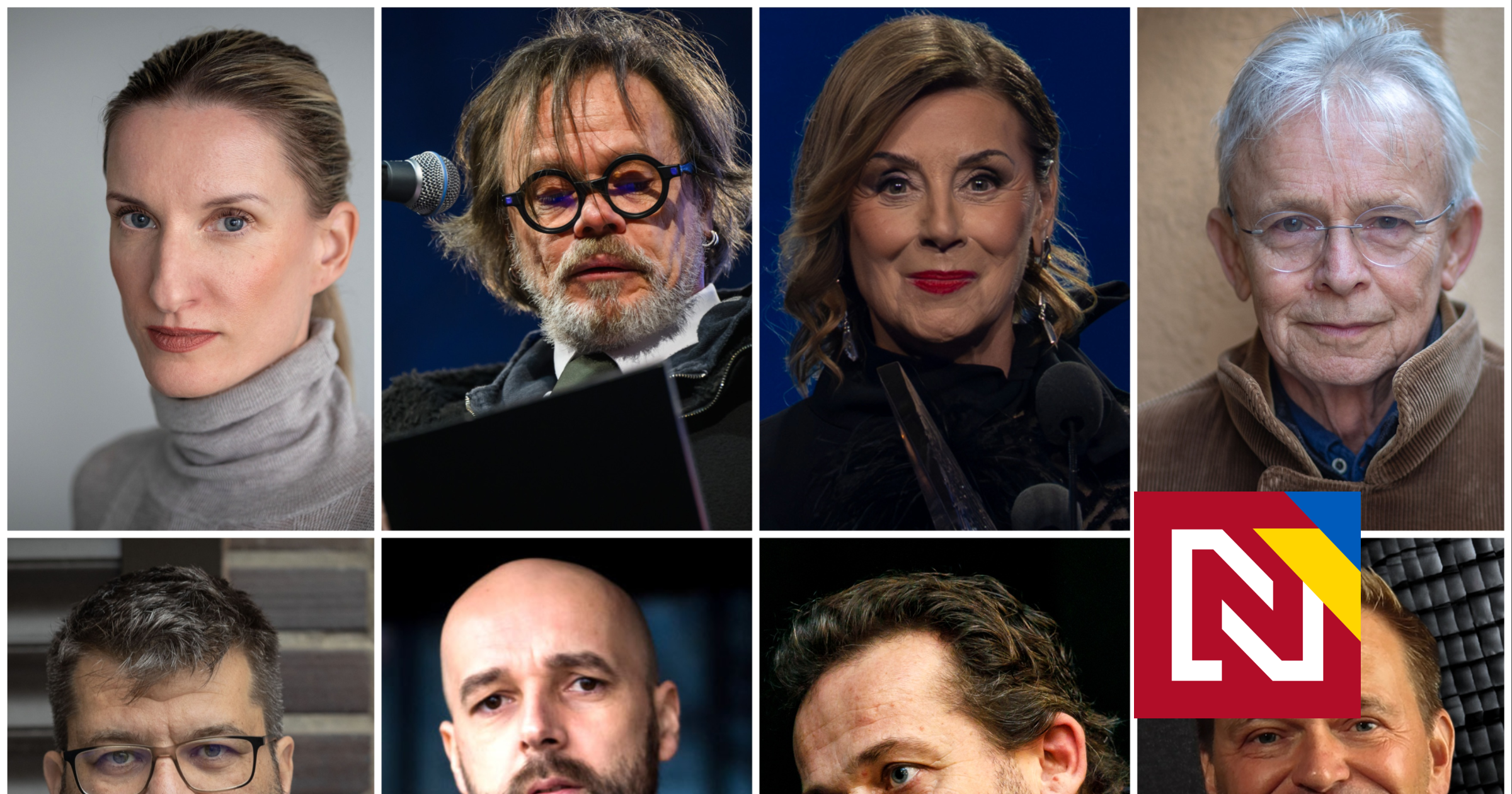
Resignations at Slovakia's public broadcaster STVR continued into this week following a public dispute over editorial independence and cultural funding. The controversy escalated during the Radio_Head Awards ceremony over the weekend, where artists criticized political interference in public media and recent government decisions affecting cultural funding. STVR management responded by removing the awards ceremony from its broadcast schedule, while STVR Director General Martina Flašíková told the critical artists she wished them success outside of public media. The ongoing staff exodus reflects broader tensions over the government's approach to public broadcasting and cultural policy, with employees departing in protest over what they view as political pressure on the state-funded broadcaster.

|
Domestic Politics

Opposition Leader Šimečka Says Cannot Play Politics by Different Rules Than Prime Minister Fico

Michal Šimečka, leader of the opposition Progressive Slovakia party, criticized the political approach of Prime Minister Robert Fico using a sports metaphor, saying his party cannot "play football while Robert Fico plays rugby." Progressive Slovakia is the largest opposition party in the National Council, Slovakia's parliament, and represents a liberal, pro-European alternative to Fico's ruling Smer-SD party. The comment suggests tensions over differing political styles and approaches between the opposition and the government led by Fico, who returned to power following elections in 2023.

|
Domestic Politics

Slovak Traffic Police Chiefs Call for Higher Fines, Say Current Penalties Too Low

Slovak police chiefs are advocating for higher traffic violation fines, arguing that current penalties of 20 to 50 euros are insufficient. The officials must explain to their superiors why the existing low fines are inadequate for deterring traffic violations. The police leadership also reportedly considers plea bargaining arrangements undesirable in traffic cases.

|
Domestic Politics

Slovak Mayor Resigns Before Conviction, Receives Over 20,000 Euro Severance Package

A Slovak mayor resigned from office before being formally convicted, allowing him to collect a severance payment exceeding 20,000 euros. The resignation was not the mayor's independent decision but follows what officials describe as common practice in such situations. This approach enables local officials facing criminal proceedings to secure financial compensation that would likely be unavailable if they remained in office until conviction.

|
Domestic Politics

Slovak President Awaits Specific Proposal on Electoral Reform for Overseas Voting

Slovak President Peter Pellegrini said he wants to wait for a concrete proposal regarding reforms to overseas voting procedures before taking a position. The president emphasized the need for guarantees that voting remains accessible to Slovak citizens living abroad. The statement comes amid ongoing discussions about potential changes to how Slovaks vote from foreign countries, though specific details of proposed reforms have not yet been presented.

|
Domestic Politics

Progressive Slovakia Launches Sharp Attack on Former PM Matovič

Progressive Slovakia, an opposition liberal party, has launched a fierce political attack against Igor Matovič, the former prime minister and current leader of the OĽaNO party. The confrontation appears to have caught Matovič off guard, with observers noting he likely did not expect the progressives to engage with such intensity. Matovič, who served as prime minister from 2020 to 2021, leads OĽaNO, a populist anti-corruption party that was part of the previous governing coalition but now sits in opposition following the 2023 elections that brought Robert Fico's Smer-SD party back to power.

|
Domestic Politics

Slovak Court Rules Again in Murder Case of Feared Mafia Figure Nigut

A Slovak court has issued a new ruling in the murder case of Róbert Nigut, a feared mafia figure who was shot and killed years ago. The case centers on whether the killing constituted legitimate self-defense, as claimed by the perpetrator who shot Nigut from behind through the trunk of a car. The court had to evaluate the defendant's claim of necessary self-defense despite the circumstances of the shooting, which occurred from behind while Nigut was at a vehicle. The case highlights ongoing judicial proceedings involving organized crime figures in Slovakia, where mafia-related violence has been a persistent issue requiring careful legal examination of self-defense claims even in cases involving known criminal figures.

|
Domestic Politics

Court Acquits Varga, Convicts Alfoldi in Nigut Murder Case

A Slovak court has delivered a split verdict in the murder case of investigative journalist Ján Nigut, acquitting defendant Varga while finding Alfoldi guilty. The ruling is not yet final and can be appealed. The case involves the 2019 killing of Nigut, a journalist who had been investigating corruption and organized crime. The mixed verdict reflects the complexity of the case, with the court determining that while one defendant was not proven guilty beyond reasonable doubt, there was sufficient evidence to convict the other. The decision will likely face appeals from both the prosecution and defense, extending the legal proceedings in this high-profile case that has drawn attention to press freedom and journalist safety in Slovakia.

|
Domestic Politics

Slovak National Party proposes increasing state funeral allowance by hundreds of euros

The Slovak National Party (SNS) has proposed legislation to significantly increase the state funeral allowance by hundreds of euros, citing the higher amounts provided in neighboring countries. The proposed amendment could take effect on January 1, 2027, if approved. SNS, a nationalist party that is part of Slovakia's ruling coalition alongside Smer-SD, justified the increase by pointing to funeral allowances offered in surrounding nations. The current Slovak funeral allowance has not kept pace with rising funeral costs, prompting calls for reform to provide more adequate financial support for bereaved families.

|
Domestic Politics

Slovak Police Charge First Person in Major EU Funds Fraud Operation

Slovakia's National Criminal Agency (ÚBOK) has filed charges against the first individual in Operation TECHNOLÓG, a major fraud case involving hundreds of thousands of euros in misused European Union funds. The investigation is being conducted under the procedural supervision of the European Public Prosecutor's Office, which handles cases involving EU financial interests. The ÚBOK, Slovakia's specialized unit for serious crimes including organized crime and corruption, launched the operation to investigate the alleged misappropriation of EU structural funds. The involvement of the European Public Prosecutor's Office indicates the case has cross-border implications and involves significant violations of EU financial regulations.

|
Domestic Politics

Slovak judges' association calls for equal protection of all judges amid selectivity concerns

The Association for Open Justice has urged Slovakia's Judicial Council to provide targeted protection for all judges without discrimination. The judges' association strongly rejects any selective approach to judicial protection, emphasizing the need for equal treatment across the judiciary. The Judicial Council serves as Slovakia's constitutional body responsible for judicial administration and safeguarding judicial independence, including the appointment and disciplining of judges.

|
Domestic Politics

Slovak National Party Proposes Stricter Rules for Political Opinion Polls

The Slovak National Party (SNS) is proposing to tighten regulations governing political opinion polls and surveys. The nationalist party, which is part of Slovakia's ruling coalition alongside Smer-SD and Hlas-SD, wants to introduce stricter rules for conducting polls with political content. As part of the proposed changes, SNS also plans to establish a sanctions mechanism to enforce compliance with the new regulations. The move comes as political parties frequently rely on public opinion polling to gauge voter sentiment and adjust their strategies, particularly in the lead-up to elections.

|
Domestic Politics

Constitutional Court Could Suspend Laws as Parliament Stalls on Judge Appointments

Slovakia's Constitutional Court may begin suspending the effectiveness of laws in individual proceedings as Parliament continues to boycott the process of appointing new judges to fill vacant positions. The court's reduced composition, lacking sufficient judges due to parliamentary inaction, could now take a more assertive stance by halting the enforcement of laws during constitutional review cases until the National Council, Slovakia's parliament, moves forward with selecting candidates for the judicial body. This development highlights the ongoing institutional deadlock between the legislative and judicial branches over filling critical positions on the country's highest constitutional authority.

|