Dávka - Your daily dose of Slovak news
Last refreshed: 02/07/2026 05:41 · 47 articles added
Stories are refreshed at 05:30, 10:30, 15:30, and 21:30 UTC.

Domestic Politics

View all2854 stories
Domestic Politics

Matovič Demands Opposition Party Resolution While His Own Movement Lacks Formal Decision

Igor Matovič has called on the Progressive Slovakia party to formally exclude the Voice-SD party through a congress resolution, despite his own Slovakia Movement lacking such a formal decision. The Slovakia Movement claims that important decisions at their organization are made by the presidium, which has repeatedly decided to exclude Smer-SD, Voice-SD, and the Slovak National Party from potential cooperation. The movement added that such decisions could be confirmed by their congress if needed. The exchange highlights ongoing tensions between opposition parties over formal positions regarding cooperation with ruling coalition parties. Matovič leads the Slovakia Movement, a centrist opposition party, while Voice-SD is part of the current ruling coalition alongside the social-democratic Smer-SD and the nationalist Slovak National Party.

|
Domestic Politics

Slovak National Party Leader Criticized for Blaming Pollsters Over Voter Support Issues

Andrej Danko, leader of the Slovak National Party (SNS), has been criticized for attacking polling organizations and media rather than addressing his party's declining voter loyalty. The commentary highlights that SNS supporters are increasingly considering other nationalist parties, including Smer-SD and the far-right Republic party, rather than remaining loyal to SNS. The criticism suggests that Danko's blame of polling companies Ipsos and NMS, as well as alleged media and opposition conspiracies, reflects an unwillingness to confront the reality of his party's weakening position. The Slovak National Party is a junior partner in the current ruling coalition led by Robert Fico's Smer-SD, and has historically promoted nationalist and conservative policies in Slovak politics.

|
Domestic Politics

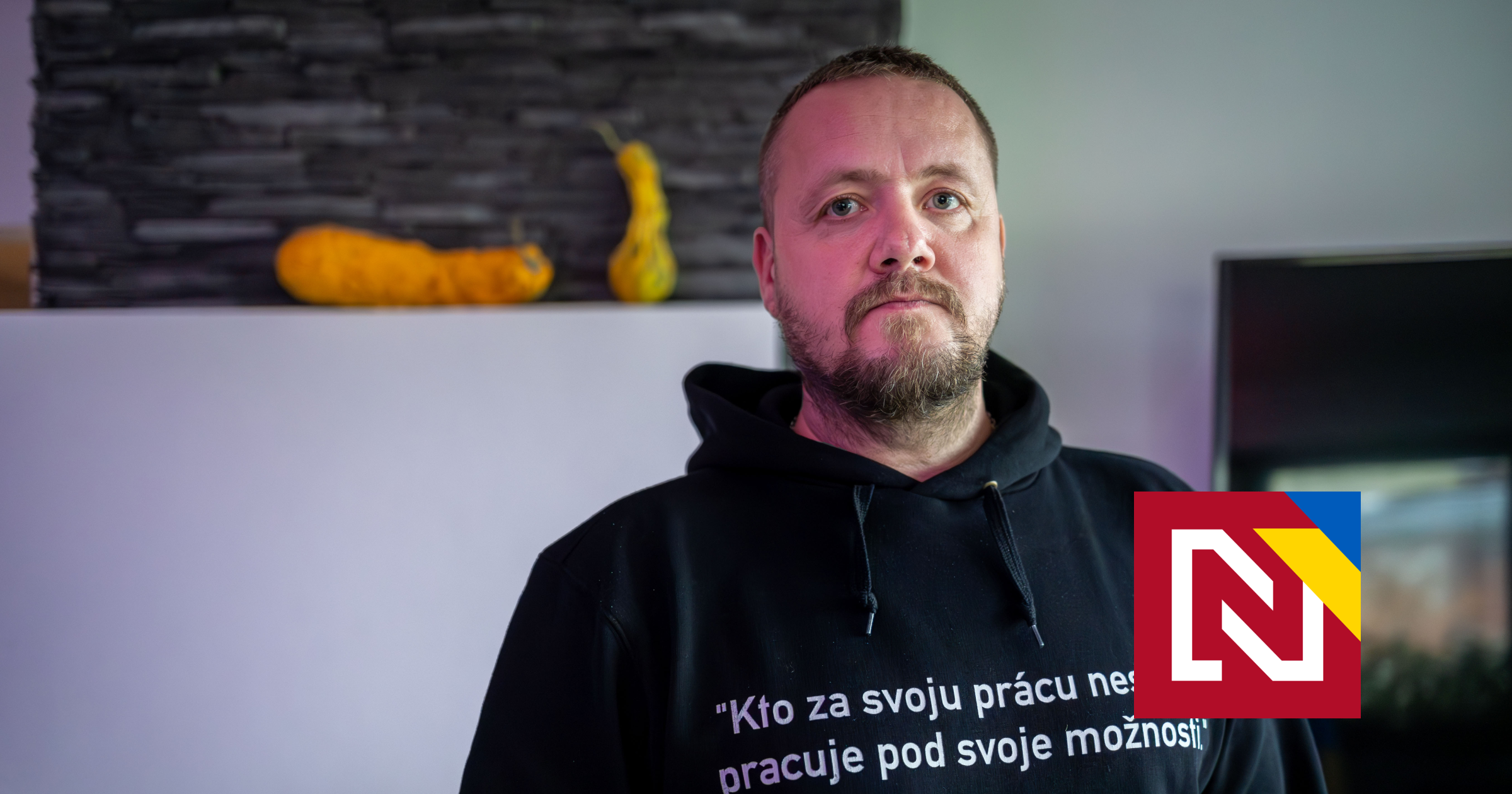
Dismissed Slovak Public TV Editor Claims Management Purging Potential Opposition Leaders

Boris Koreň, a former editor at Slovakia's public television STVR, says his dismissal was part of a systematic effort to remove employees capable of organizing resistance to the broadcaster's transformation. Koreň was terminated on grounds that there was "no work" for him, despite his role as co-author of a staff statement opposing changes to the public broadcaster. He believes management is preemptively eliminating potential protest leaders before the station becomes increasingly aligned with government propaganda. The dismissals come as STVR, which replaced the former RTVS public broadcaster, faces criticism over its editorial direction under the current government led by Robert Fico's Smer-SD party.

|
Domestic Politics

Slovakia Approves New Electoral Deposit of Over 40,000 Euros for Parliamentary Elections

Slovakia's parliament has approved a new electoral deposit system that will require political parties to pay over 40,000 euros to participate in parliamentary elections, a significant increase from current requirements. Only thirteen political parties currently have sufficient funds in their accounts to meet this threshold. The measure comes after Prime Minister Robert Fico of the ruling Smer-SD party advocated for even higher barriers to prevent what he called "all kinds of fools and half-fools" from running for parliament, originally proposing a 500,000-euro deposit and raising the electoral threshold to seven percent. However, Fico appears unable to push through the higher threshold due to opposition from smaller coalition partners Hlas and the Slovak National Party (SNS), who would themselves be at risk of failing to meet stricter requirements. The new deposit requirement represents a compromise that will still significantly limit which parties can afford to compete in the March 2026 parliamentary elections.

|
Domestic Politics

Morning Briefing: Culture Shows Its Strength Again, Fico's Government Displays Servility to Kremlin

Slovakia's cultural sector has demonstrated its resilience and influence, while Prime Minister Robert Fico's government has once again shown subservience to the Kremlin. The developments highlight the ongoing tension between Slovakia's cultural independence and the government's pro-Russian orientation. Fico leads a coalition government that includes the social-democratic Smer-SD party and has frequently aligned with Russian positions on international issues, drawing criticism from opposition parties and civil society groups. The cultural sector's response represents continuing resistance to policies seen as undermining Slovakia's Western democratic orientation.

|
Domestic Politics

14,000 Protesters March Through Bratislava Against Culture Minister Šimkovičová

Approximately 14,000 people filled central Bratislava during a two-hour march called the "Great Cultural Mobilization" to protest against Culture Minister Martina Šimkovičová. The demonstration represented a shift from years of passive criticism to active opposition, as participants expressed their refusal to overlook what they described as the deterioration of Slovakia's cultural sector. The large-scale protest highlighted growing tensions between the cultural community and the current government's approach to arts and cultural policy.

|
Domestic Politics

Protesters Demand Culture Minister's Resignation Outside Her Office

Demonstrators gathered outside the office of Culture Minister Martina Šimkovičová, using whistles and drums to voice their opposition to her leadership. The protesters delivered a clear message that "culture is not your property" and demanded her resignation from the ministerial position. The demonstration reflects growing public dissatisfaction with Šimkovičová's management of Slovakia's cultural sector since she took office as part of the current government coalition.

|
Domestic Politics

Weekend Political Debates Draw Hundreds of Thousands of Slovak Viewers

Hundreds of thousands of Slovaks tuned in to watch political debate programs over the weekend, with television stations competing for Sunday viewership. The political discussion shows attracted significant audience numbers, demonstrating continued public interest in political discourse. Television networks divided the Sunday market among themselves as viewers sought out analysis and debate on current political issues.

|
Domestic Politics

Cultural Community Stages Major Protest March in Bratislava Against Government Policies

Slovakia's cultural community organized a large protest march in Bratislava against government policies affecting the arts and culture sector. The demonstration brought together artists, cultural workers, and supporters in opposition to recent measures implemented by the ruling government. Meanwhile, opposition political parties are consolidating their efforts in Banská Bystrica, Slovakia's central regional capital, as they seek to coordinate their response to government policies. The cultural mobilization reflects growing tensions between Slovakia's creative sector and the current administration led by Prime Minister Robert Fico's Smer-SD party, which returned to power following elections last year.

|
Domestic Politics

Progressive Slovakia Faces Questions Over Potential Coalition Partners, Analyst Says

Progressive Slovakia, the country's main opposition party, has signaled its serious commitment to ending the political era of Robert Fico, according to political analyst Zsolt Simon. However, Simon argues the party faces a significant blind spot in its willingness to legitimize potential coalition partners who cannot clearly reject the same forces that Progressive Slovakia itself opposes. The analysis highlights tensions within Slovakia's opposition as parties position themselves for potential future cooperation against the ruling Smer-SD party led by Fico, who has dominated Slovak politics for over a decade. Progressive Slovakia, a liberal pro-European party formed in 2017, has emerged as the leading opposition force but faces difficult choices about which parties it would work with to form an alternative government.

|
Domestic Politics

Education Ministry Rejects Opposition Criticism of ePrihlášky School Application System

Slovakia's Education Ministry has rejected criticism from opposition parties regarding the ePrihlášky electronic school application system. The ministry dismissed allegations of grade manipulation, changes to school rankings, and data loss within the digital platform used for student admissions. The ePrihlášky system serves as the centralized online platform through which Slovak students apply to secondary schools, making it a critical component of the country's education infrastructure.

|
Domestic Politics

Slovak Cultural Community Stages Major Protest Demanding Culture Minister's Resignation

Slovakia's cultural community organized what organizers called one of the largest protests in years in Bratislava, demanding the resignation of Culture Minister Martina Šimkovičová. The demonstration brought together artists, cultural figures, and supporters who mobilized against the minister's policies. The protest represents significant opposition from Slovakia's artistic and cultural sectors, with numerous prominent personalities participating in the call for Šimkovičová's removal from office. The mobilization reflects growing tensions between the government and the country's cultural establishment over the direction of cultural policy under the current administration.

|
Domestic Politics

Christian Democratic Movement Says Overseas Voting Reform Proposal Violates Constitution

The Christian Democratic Movement (KDH) has declared that a proposed reform to overseas voting procedures violates Slovakia's constitution. The opposition party specifically criticized plans to eliminate postal voting for Slovak citizens living abroad, describing the measure as pure political calculation. KDH is a center-right Christian democratic party that currently sits in opposition to Slovakia's ruling coalition. The controversy centers on proposed changes to how Slovak expatriates can participate in elections, with postal voting currently serving as a key method for overseas citizens to cast their ballots in Slovak elections.

|
Domestic Politics

Slovak PM Fico's Campaign Against Police Unit Fails to Resonate with Coalition Voters

Slovak Prime Minister Robert Fico has devoted unprecedented attention to attacking a group of police investigators and operatives connected to investigator Ján Čurillu, calling them criminals and comparing Čurillu to assassin Juraj Cintula. Despite Fico's intense campaign against these officers, a new poll by Ipsos for Denník N shows that voters from his ruling coalition parties show little interest in the issue. The survey found that supporters of Fico's Smer-SD party, as well as voters from coalition partners Voice (Hlas), the Slovak National Party (SNS), and the Republic party, remain largely unengaged with the controversy. Fico leads a coalition government that has frequently clashed with law enforcement and judicial institutions since taking power, often portraying certain police units as politically motivated opponents of his administration.

|
Domestic Politics

Slovakia's Drug Policy Serves Financial Groups Over Patients, Opposition MP Claims

Slovakia has fundamentally failed in its drug policy, prioritizing financial interests over patient welfare and public health, according to Oskar Dvořák, a member of parliament from the opposition Progressive Slovakia party. Dvořák's criticism follows findings by the Supreme Audit Office regarding the country's pharmaceutical policy. The MP accused Prime Minister Robert Fico of abandoning meaningful public health policy and creating non-transparent conflicts of interest among ministry officials. Slovakia operates under a coalition government led by Fico's social-democratic Smer-SD party, which returned to power following elections last year. Progressive Slovakia, a liberal pro-EU party, serves in the opposition and frequently criticizes the government's approach to healthcare reform. Dvořák warned that the current policies will cost lives and damage public health outcomes.

|
Domestic Politics

Slovak Coalition Finally Shows Constitutional Concerns

Slovakia's ruling coalition has begun expressing concern about constitutional limits on its actions, particularly regarding potential interference with electoral processes. The development suggests that previous attempts to modify election-related legislation could have had more severe consequences than initially anticipated. The coalition, led by Smer-SD and including the Slovak National Party and Hlas-SD, has faced criticism from opposition parties and civil society groups over various legislative initiatives that critics argue undermine democratic institutions. This apparent shift in approach indicates growing awareness within the government about constitutional boundaries, though specific details about which electoral interventions prompted these concerns remain unclear.

|
Domestic Politics

Opposition Parties Criticize Education Minister Over Electronic Enrollment System

Progressive Slovakia and Democrats, two opposition parties, have criticized Education Minister Tomáš Drucker over the ePrihlášky electronic enrollment system. The parties, which form part of Slovakia's liberal opposition, have raised concerns about both the system's implementation and its financing arrangements. The criticism comes as Slovakia continues to digitize various public services, with the electronic enrollment system designed to streamline school application processes for students and parents.

|
Domestic Politics

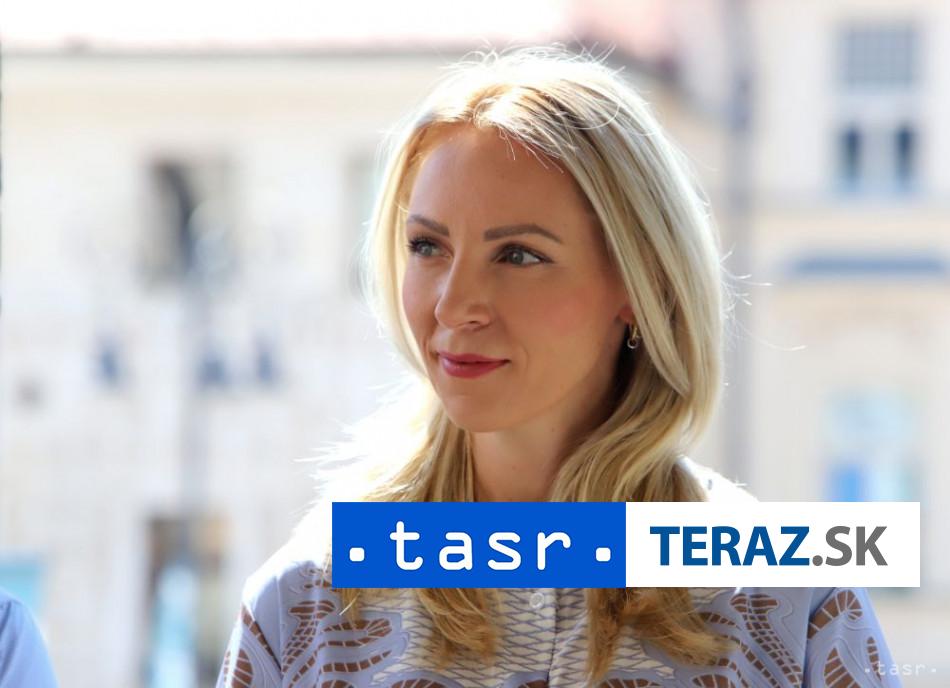
Diana Javorčíková to Run for Mayor of Banská Bystrica

Diana Javorčíková announced her candidacy for mayor of Banská Bystrica, Slovakia's sixth-largest city and administrative center of central Slovakia. Javorčíková previously ran for the mayoral position in 2022, finishing second with 24 percent of the vote. Banská Bystrica, with a population of approximately 76,000, is an important regional hub and the seat of the Banská Bystrica Region.

|
Domestic Politics

Slovak Public Broadcasting Faces Internal Restructuring Amid Political Tensions

Slovak public television and radio are undergoing significant internal changes as management addresses what supporters describe as efforts to remove progressive influences from programming. The restructuring has drawn both support from viewers who favor the current direction and criticism from those concerned about editorial independence. The changes come amid ongoing debates over the role and political orientation of public broadcasting in Slovakia, where RTVS (Radio and Television of Slovakia) serves as the country's main public broadcaster funded through mandatory licensing fees. The developments reflect broader tensions in Slovak media landscape between different political and ideological perspectives on public broadcasting's mission and content.

|
Domestic Politics

Bratislava Court Issues Final Ruling Against Former Parliament Speaker Boris Kollár

The Bratislava Regional Court has issued a final ruling in a legal dispute between former parliament speaker Boris Kollár and elite investigator Ján Čurillov. The court's decision results in a substantial financial penalty for Kollár, marking the definitive conclusion of the case. Kollár, who leads the Sme Rodina (We Are Family) party and served as speaker of the National Council until 2023, faced legal action from Čurillov, a prominent investigator known for handling high-profile cases. The ruling represents the final resolution of what appears to have been a defamation or related civil dispute between the politician and the law enforcement official.

|