Dávka - Your daily dose of Slovak news
Last refreshed: 22/06/2026 21:42 · 45 articles added
Stories are refreshed at 05:30, 10:30, 15:30, and 21:30 UTC.

Culture

View all1619 stories
Culture

Slovak Television Dramaturg Gabriela Kopicová Dies at Age 90

Gabriela Kopicová, a veteran Slovak television dramaturg, has died at the age of 90. Kopicová worked for years in entertainment programming and children's television departments, contributing to Slovak broadcasting over her long career. Her death marks the loss of a figure who helped shape Slovak television programming during its development, particularly in content aimed at younger audiences.

|
Culture

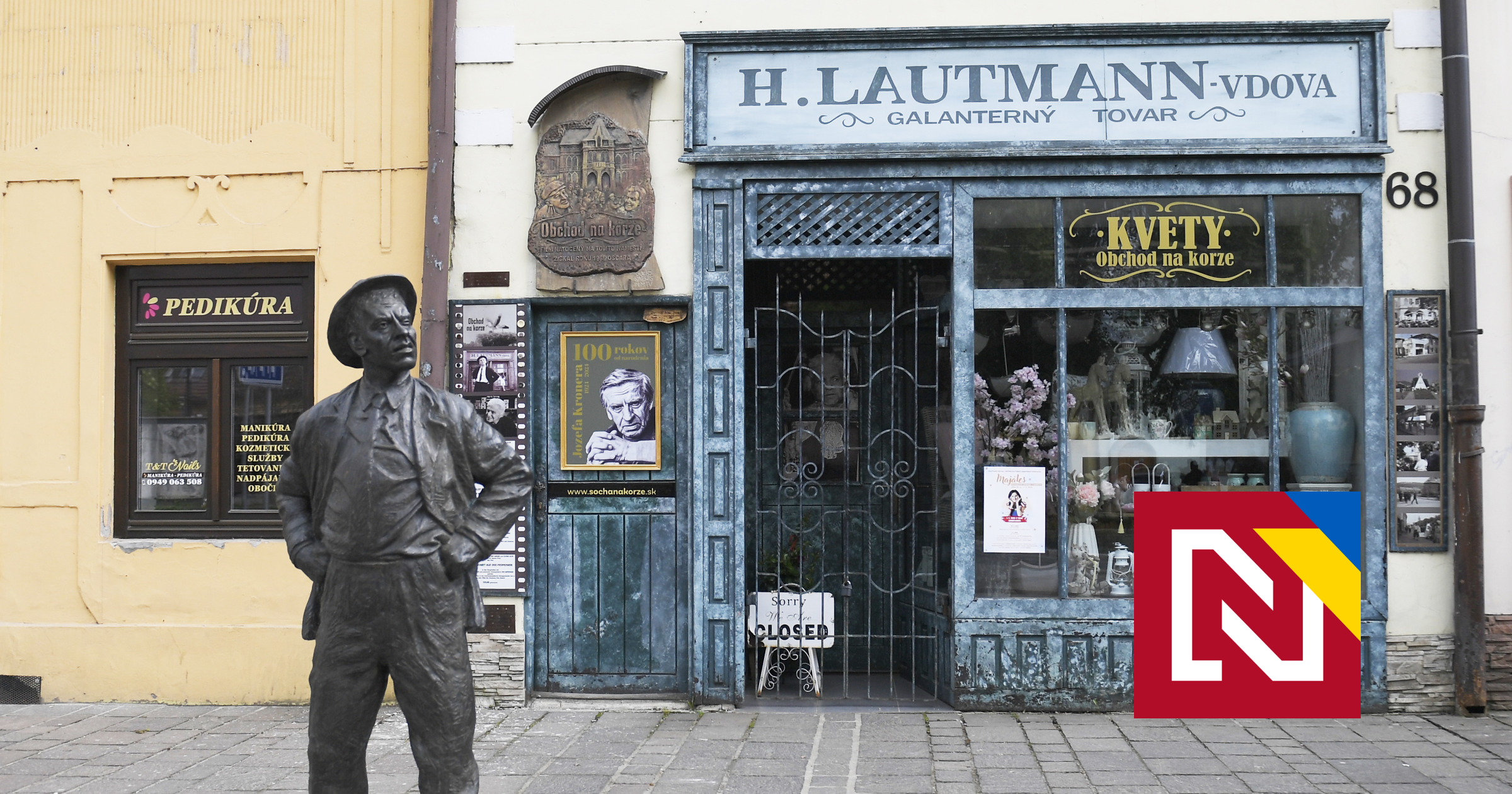
Slovak Oscar-Winning Film 'The Shop on Main Street' Censored During Communist Era

The celebrated Slovak film "The Shop on Main Street" was locked away in vaults after winning an Academy Award, as Communist authorities censored the work following the emigration of its directors. The 1965 film, which won the Oscar for Best Foreign Language Film, fell victim to the normalization period that began shortly after the ceremony, when the Communist regime tightened control over cultural expression. Both directors of the film emigrated from Czechoslovakia, leading authorities to suppress the internationally acclaimed work despite its prestigious recognition. The film's fate exemplified the broader cultural repression during the normalization era, when many artistic works were banned or restricted based on their creators' political status rather than their content.

|
Culture

Val Kilmer Stars in New Film Despite Health Challenges Following Chemotherapy

Hollywood actor Val Kilmer appears in the new film "Deep as the Grave" despite ongoing health issues following chemotherapy treatment. The actor, who has been battling throat cancer, knew what his future held after completing chemotherapy but continued his acting career. The film reportedly honors his determination to continue working despite his medical condition.

|
Culture

Trenčín Announces May Cultural Events as European Capital of Culture

Trenčín has released its monthly schedule of cultural events for May as part of its year-long tenure as European Capital of Culture. The western Slovak city is presenting a curated program of activities designed to showcase local and international cultural offerings throughout the month. Trenčín was designated European Capital of Culture for 2026, a prestigious EU program that aims to highlight the cultural richness and diversity of European cities while promoting cultural cooperation across the continent. The monthly programming represents part of the city's broader cultural strategy during its capital year.

|
Culture

Writer Documents Cultural Diversity in Slovakia's Spiš Region Where Families Bridge Multiple Nationalities

A writer is documenting the complex ethnic landscape of Slovakia's Spiš region, where multiple cultures coexist in close proximity and family members can identify with different nationalities. The region exemplifies the intricate ethnic mosaic of this part of Central Europe, where one brother might identify as Polish while another considers himself Slovak. The Spiš area, located in northern Slovakia near the Polish border, has historically been home to diverse communities including Slovaks, Poles, Germans, and other ethnic groups. This cultural complexity reflects the region's position at the crossroads of different national influences, where borders and ethnic identities have shifted throughout history. The writer's project highlights how modern national categories often fail to capture the fluid nature of identity in this border region, where families and communities have maintained connections across what are now international boundaries.

|
Culture

Revitalization of Slanický Island Art Project Continues with Church Restoration

Slovakia continues the revitalization of Slanický Island Art, focusing on extensive construction and restoration work on the Church of the Exaltation of the Holy Cross. The project will be financed through the Slovakia Programme 2021-2027, a European Union funding mechanism for regional development and infrastructure projects in Slovakia.

|
Culture

How Italian Capitalist Family Helped Save Brezhnev's Communism Through the Zhiguli Car

The VAZ 2101 automobile became one of the defining symbols of late Brezhnev-era communism in the Soviet Union. Known as the Zhiguli in domestic markets - named after a mountain range near the production facility - and marketed as the Lada for export, the vehicle represented an unlikely collaboration between communist ideology and capitalist expertise. The first Zhiguli cars rolled off the assembly line in April 1970, with some sources indicating production began precisely on Lenin's birthday, April 22nd. The story illustrates how Soviet industrial development during the Brezhnev period relied heavily on Western technology and partnership, contradicting the official narrative of socialist self-sufficiency. The involvement of an Italian capitalist family in this iconic Soviet automobile project highlights the complex economic relationships that existed between East and West during the Cold War era.

|
Culture

Slovak Writer Reflects on National Identity Through Art and Literature

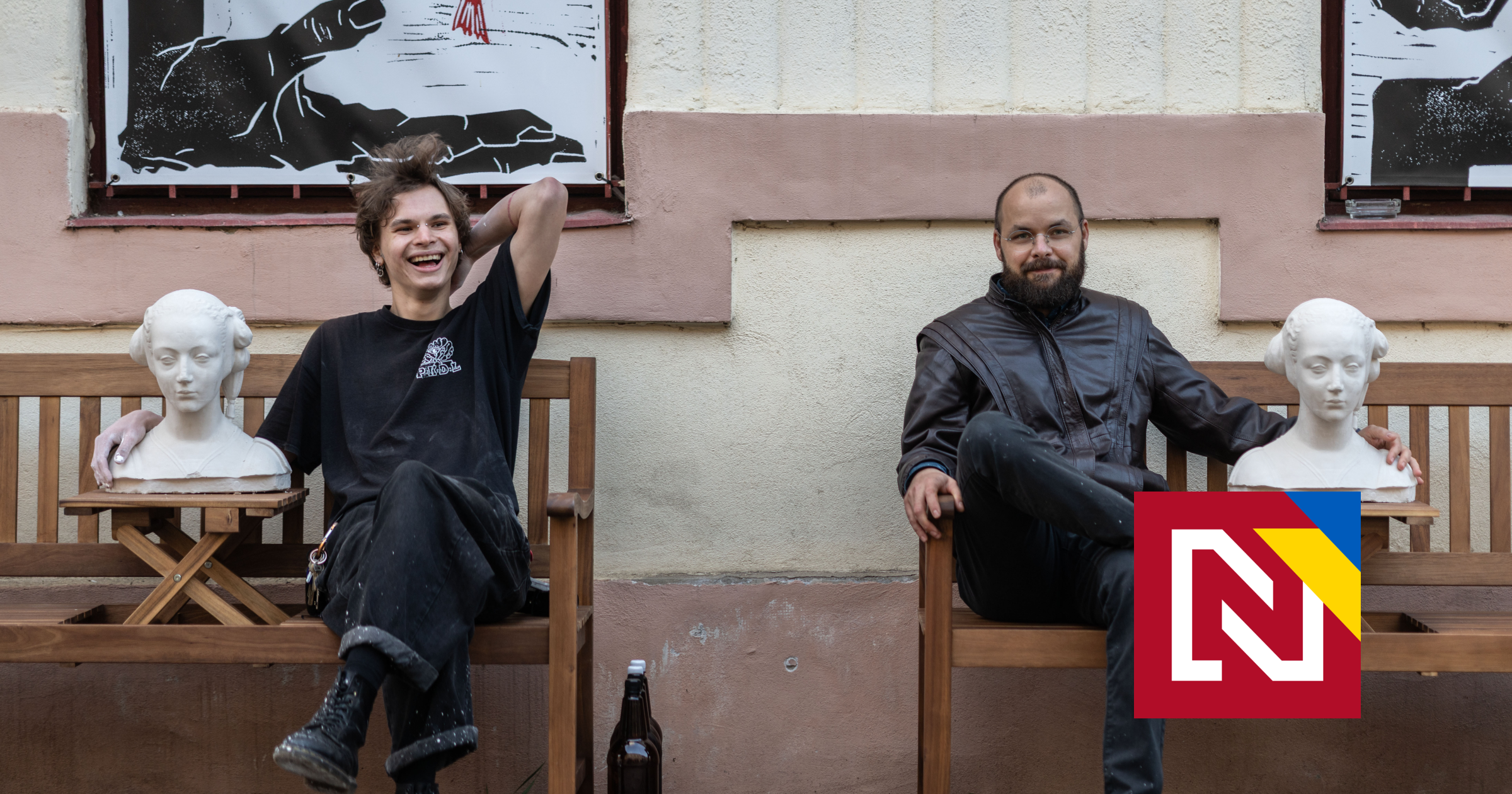
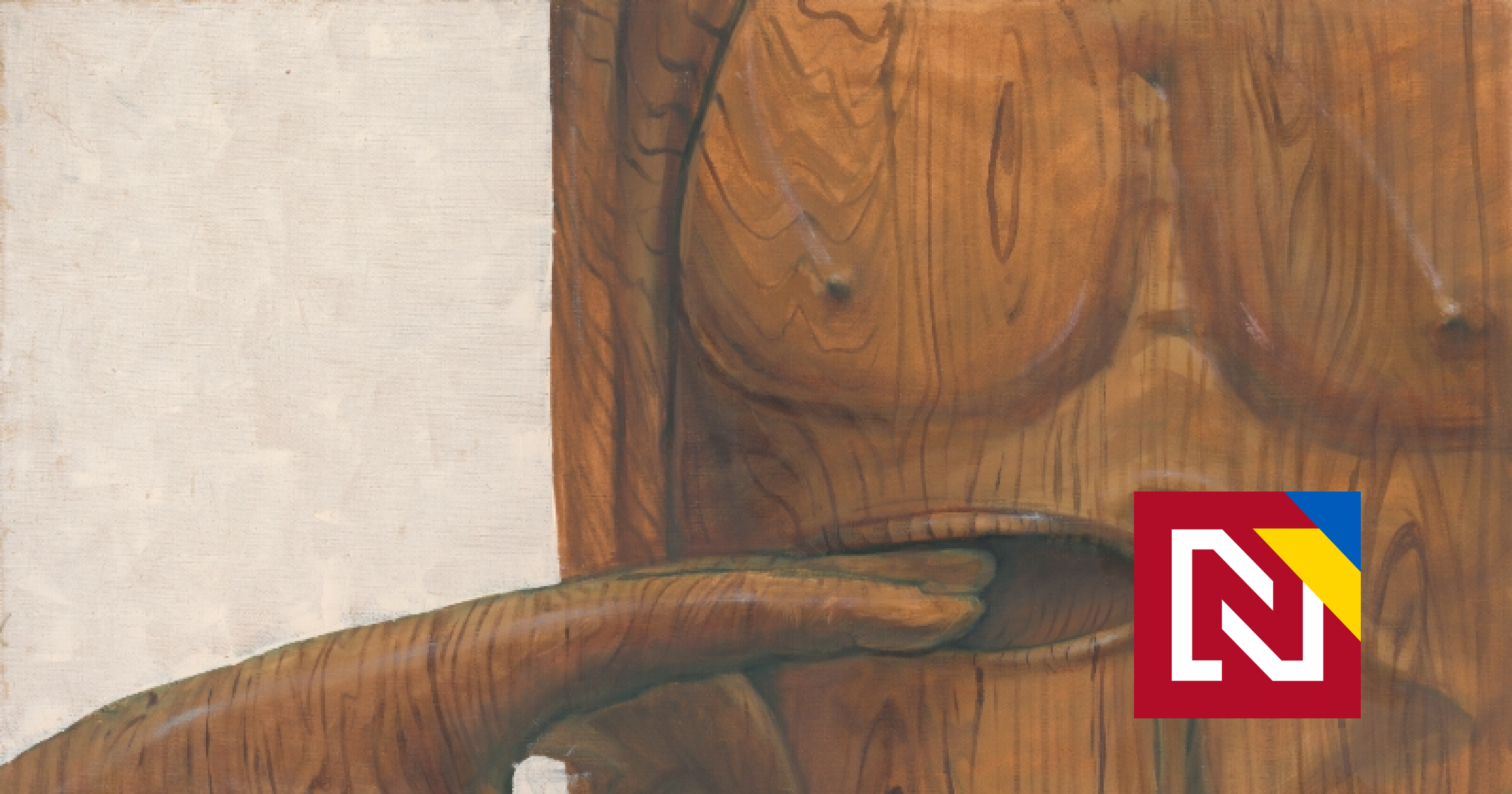
A Slovak cultural commentator has drawn parallels between Slovakia's cultural development and historical artistic controversies, referencing the story of young Cecilia Gonzaga and her sculptural portrait, hypothetically created by Renaissance sculptor Donatello. The writer suggests this narrative could inspire Slovak filmmakers or novelists, arguing that Slovakia, despite being a small country, has significant talent for creating comedy from any material. The commentary references Czech writer Jan Werich's concept of an 'inferiority complex' and draws comparisons to 19th-century Czech debates over the authenticity of the Králové Dvůr Manuscript, a controversial literary work that divided the Czech nation during its period of cultural revival.

|
Culture

Ľubovňa Castle to Fully Reopen After Restoration Work Completed

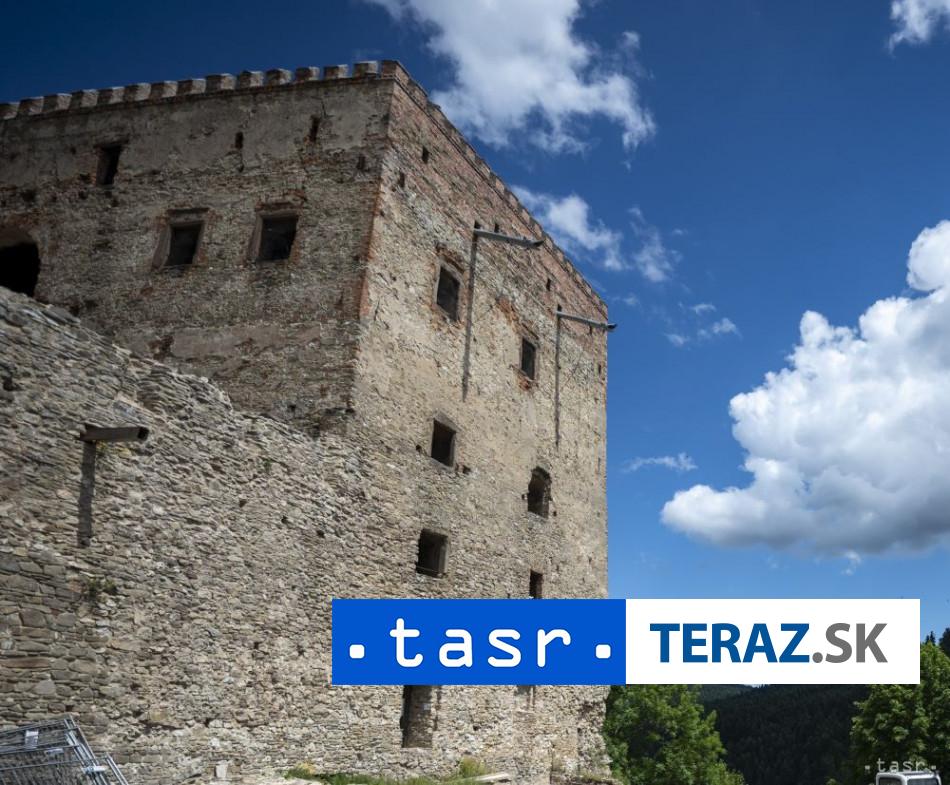
Ľubovňa Castle in northeastern Slovakia will open its entire complex to visitors this year following completion of restoration work. The medieval castle, located in the Prešov region, houses a museum that manages 41 historical structures including the main castle, the castle town below, and an open-air folk museum. The restoration project has made the complete archaeological and architectural site accessible to the public for the first time in years, offering visitors a comprehensive view of one of Slovakia's most significant medieval fortifications and cultural heritage sites.

|
Culture

Quiz Challenge: Can You Distinguish Ten Nearly Identical National Flags?

A new quiz challenges readers to correctly identify ten national flags that bear striking resemblances to each other. The interactive test features flags from different countries that share similar color schemes, patterns, or designs, making them difficult to distinguish without careful examination. Such flag similarities often stem from shared historical connections, regional influences, or coincidental design choices that have persisted through decades of national identity development.

|
Culture

Summer Day Camps Offered at Modra Chateau for Children and Teens

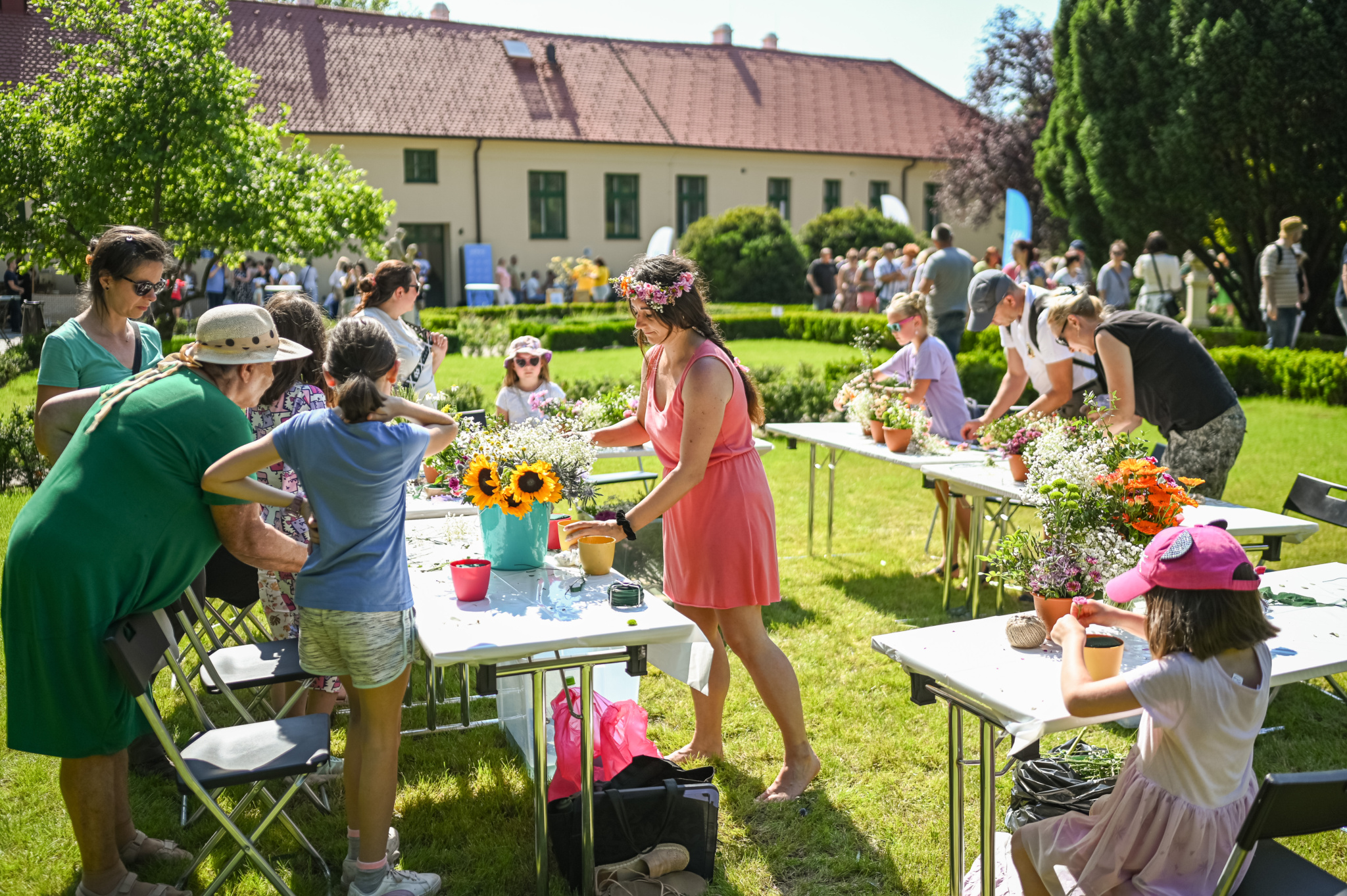
The Bratislava Region is inviting children and young teenagers to participate in summer day camps at a chateau in Modra, a town located in the wine-growing region west of Bratislava. The camps are designed for young people who enjoy creative activities, want to try new experiences, and wish to develop their interest in art within an inspiring historical setting. The regional government is organizing these educational and recreational programs to provide cultural enrichment opportunities for local youth during the summer holidays.

|
Culture

Marcel Name Day Celebrated in Slovakia

People named Marcel in Slovakia celebrated their name day on April 20th. The name Marcel has several common diminutive forms used in Slovak, including Marcelko, Macko, and Maco, reflecting the Slovak tradition of creating affectionate nicknames from formal given names.

|
Culture

Slovak Writer Questions Cultural Elite's Collaboration with Totalitarian Regimes

Slovak writer Peter Getting has criticized the romanticized view of artists as the "conscience of the nation," arguing that Slovakia has many unprocessed aspects of its past regarding cultural elites' collaboration with totalitarian regimes. Getting pointed to writer Ľudo Ondrejov as an example of someone who was both a literary figure and an "arizator" - someone who participated in the Nazi-era process of seizing Jewish property. He argues that Slovakia had many artistic icons who simultaneously served as collaborators with the Ľudák totalitarian system. Getting suggests that Slovak society continues to avoid confronting this uncomfortable history, preferring to remain silent about the complex relationship between cultural figures and political power during periods of authoritarian rule.

|
Culture

Edgar Allan Poe Introduced Predecessor to Holmes and Poirot 185 Years Ago

Edgar Allan Poe published what he called a "tale of ratiocination" in a magazine 185 years ago, introducing a literary detective character that preceded famous fictional investigators Sherlock Holmes and Hercule Poirot. The American author's contribution to the magazine represented an early example of the detective fiction genre that would later be popularized by Arthur Conan Doyle and Agatha Christie. Poe's work established foundational elements of detective literature, featuring logical deduction and analytical reasoning that would become hallmarks of the genre.

|
Culture

Daily Editorial Cartoon by Mikuláš Sliacky Published

Slovak daily newspaper SME published its daily editorial cartoon drawn by Mikuláš Sliacky. The cartoon, titled 'Oh, Our Youth, You Are the Keeper of Wounds,' represents the newspaper's visual commentary on current events through satirical illustration.

|
Culture

Italian Actress Laura Arcolinová Reflects on Cultural Differences in Marriage and Career

Italian actress Laura Arcolinová has shared insights about cultural differences between Italian and Slovak approaches to marriage, describing Italian marriages as having deep roots while Slovak relationships can escalate rapidly from zero to intense commitment. The internationally recognized performer, who maintains a grounded perspective despite her global success, also reflected on her early career, recalling how wearing her first high heels at age eleven gave her a sense of pride and confidence that propelled her into the spotlight.

|
Culture

Urban Exploration Gains Popularity in Slovakia as Enthusiasts Document Abandoned Industrial Sites

Urban exploration, the hobby of exploring abandoned buildings and industrial sites, is attracting growing interest in Slovakia as enthusiasts document the country's forgotten industrial heritage. The practice involves visiting derelict factories, deteriorated complexes, and contaminated brownfield sites that form what explorers call a "secret map of Slovakia." Safety guidelines and respectful exploration practices are being promoted as more people take up the activity, which provides insight into the country's industrial past while highlighting unused urban spaces that dot the landscape from the communist era and subsequent economic transitions.

|
Culture

Slovak Religious Commentary Criticizes Social Media Portrayals of Jesus

A Slovak religious commentary has criticized social media content that depicts Jesus as a young, charming man performing miraculous healings in hospitals and resurrections, calling these AI-generated portrayals kitsch that have nothing in common with the real Jesus. The commentary, published in Dennik N's Sunday religious section, argues that many people perceive Christian faith as a means to fulfill personal desires rather than understanding its true meaning. The piece warns against expecting miraculous signs and suggests that seeing God requires a different approach than waiting for supernatural interventions.

|
Culture

Lišovská Mask Gallery Attracts Visitors with New Venetian Mask

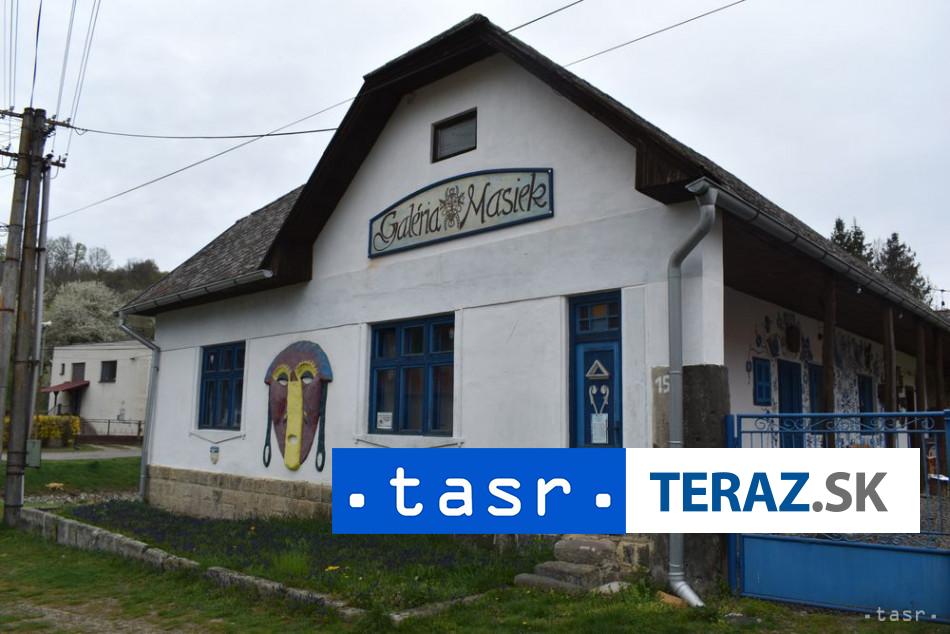
The Lišovská Mask Gallery has acquired a new unique mask from Venice, adding to its collection and drawing more visitors to the cultural attraction. The museum also participates in several prominent regional events, including the Hont Wine Route, which showcases local tourism and cultural offerings in the area.

|