
Slovakia's Ruling Coalition Defers Key Political Decisions Until September
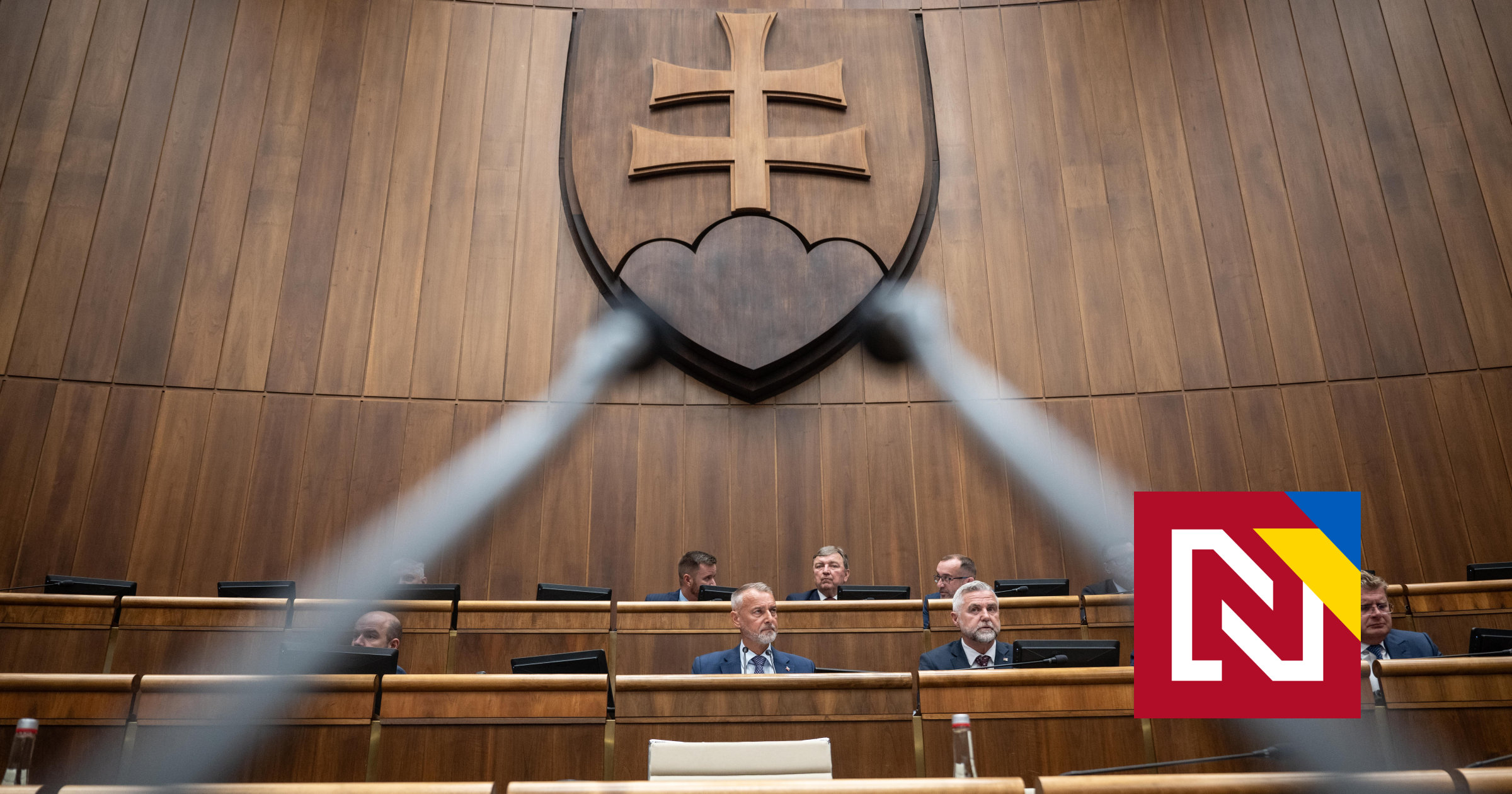
Slovakia's ruling coalition has chosen to postpone several contentious political issues until September, effectively shelving them before the summer parliamentary recess rather than reaching agreement. Among the decisions delayed are the planned abolition of postal voting for Slovaks living abroad, the unresolved situation at the Arts Support Fund (known by its Slovak acronym FPU, a state body that distributes cultural grants), and the potential dismissal of government ministers. A long-standing dispute within the coalition over these matters has prevented any resolution. Adding to the political pressure, the government faces an outstanding obligation to seek a formal vote of confidence in the National Council, Slovakia's parliament — a step it has been avoiding since last autumn. Under Slovak constitutional rules, a government is required to seek parliamentary confidence following certain political changes. The continued postponement raises questions about the internal cohesion of the three-party coalition led by Prime Minister Robert Fico's Smer-SD, a nationalist-leaning social-democratic party that returned to power after the September 2023 elections. The pattern of deferral signals deepening divisions within the coalition on multiple fronts. By pushing these decisions past the summer break, the government avoids immediate confrontations but risks entering the autumn session facing a pile-up of unresolved controversies, including ministerial accountability, cultural funding governance, and electoral reform — each carrying significant political and institutional implications.